


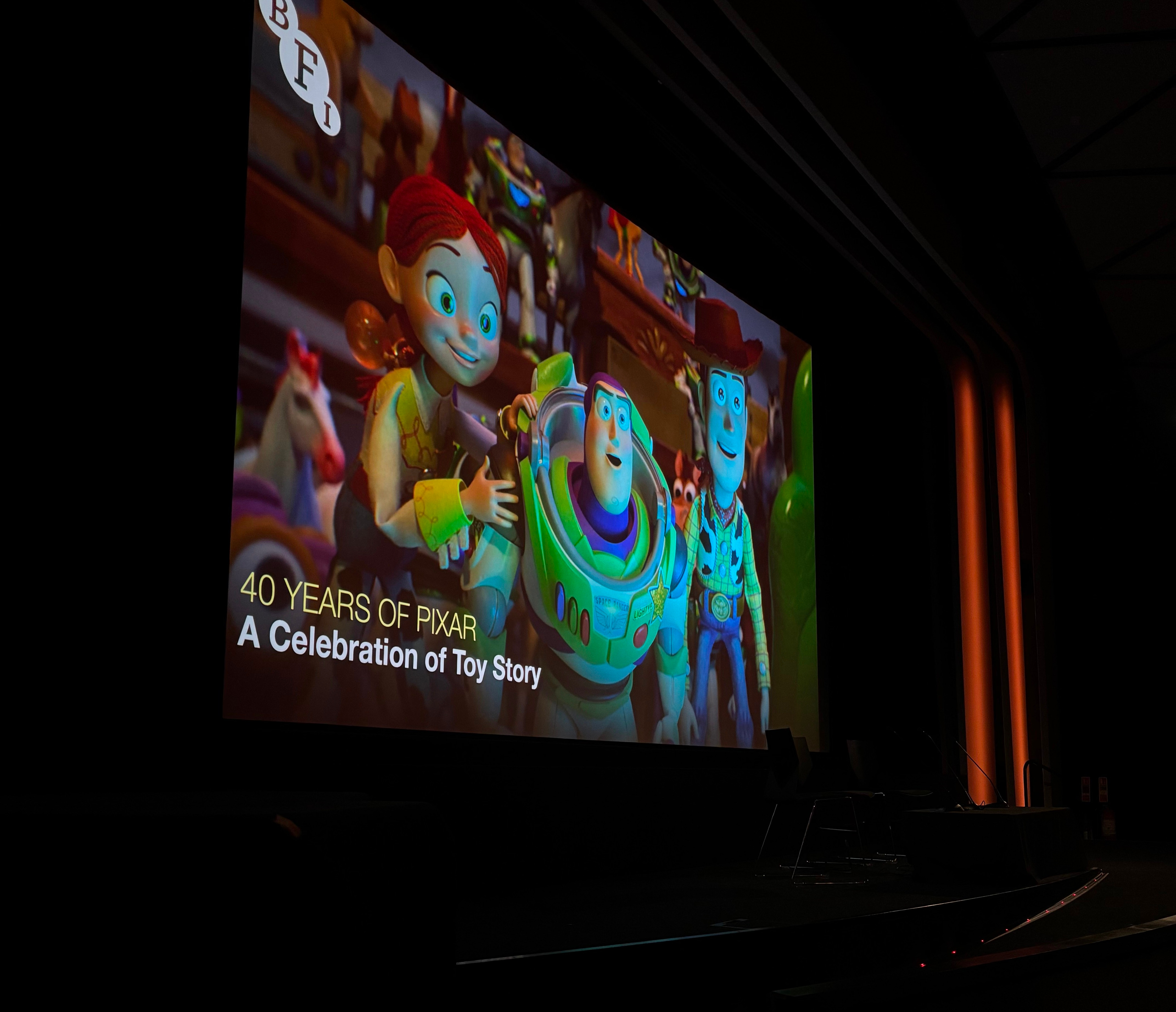
Monthsssss ago now, I found myself sitting in on the Pixar: A Celebration of 40 Years of Disney and Pixar’s Toy Story panel. And, honestly, I didn’t quite know what I was going to get from it.
I’d gone in with my marketing and transmedia brain switched on, was expecting to hear about franchises, sequels, merchandising, world-building and all the machinery that sits behind some of the biggest entertainment properties in the world.
Instead, I came away thinking more about story.
More importantly, I came away with a slightly different perspective on what actually makes a franchise last, because Pixar’s 40-year franchise legacy doesn’t appear to have come from having a master plan for a 40-year franchise - even though I imagine a master plan would look absolutely insane.
Instead, it comes from repeatedly asking something so simple; is there a story worth telling?
After listening to Andrew Stanton speak about the process behind these films and the wider Pixar picture, I couldn’t help but think about how different that philosophy feels from the way we increasingly talk about modern entertainment franchises.
Cinematic universes. Release roadmaps. Sequel pipelines. Interconnected stories. Merchandise opportunities. Spin-offs.
And, perhaps most importantly:
What comes next?
Pixar’s answer, at least from what I took away from the conversation, seemed much more straightforward.
Is there another story here?
And if there isn’t, don’t make one.
The people behind the pixels
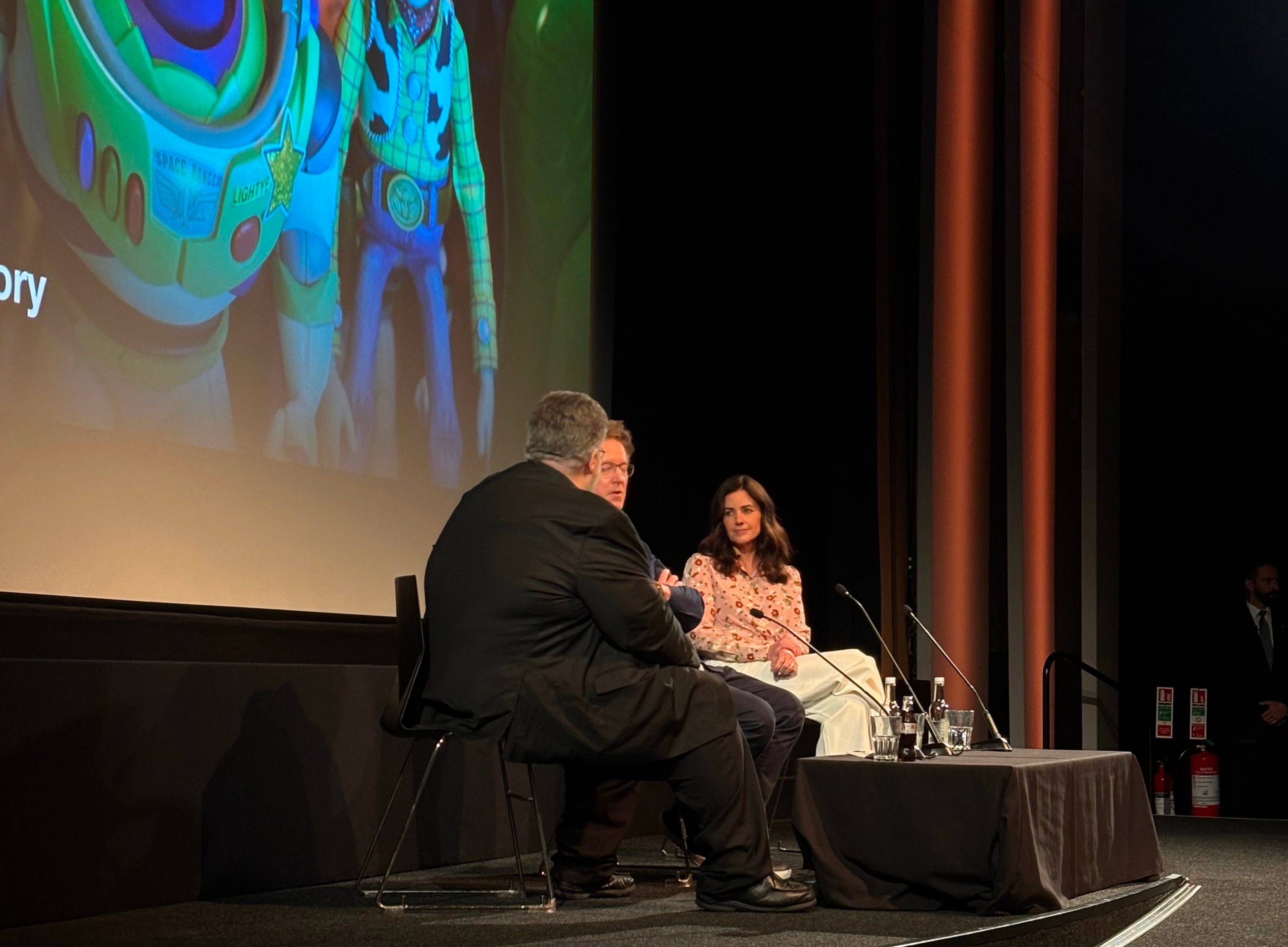
Now, the panel actually featured Andrew Stanton alongside Pixar producer Lindsey Collins, and one of the immediate things that stood out was how candid and funny the conversation was; Stanton swearing probably shouldn’t have been particularly noteworthy, yet it was.
As the host joked, there was something funny about the audience realising that Pixar employees actually swear; a small thing, but I actually liked it and so did the room.
I find there’s something useful about being reminded that behind these enormous films, billion-dollar franchises and characters that have become part of popular culture, there are still groups of people sitting around trying to figure out whether a joke works.
They aren’t sitting there thinking about “the Pixar franchise ecosystem” every five minutes. Instead they’re making a film. And that became a recurring theme throughout the conversation, because although the films might eventually become enormous commercial and cultural properties, they start with people trying to solve creative problems.
Four years to make two hours
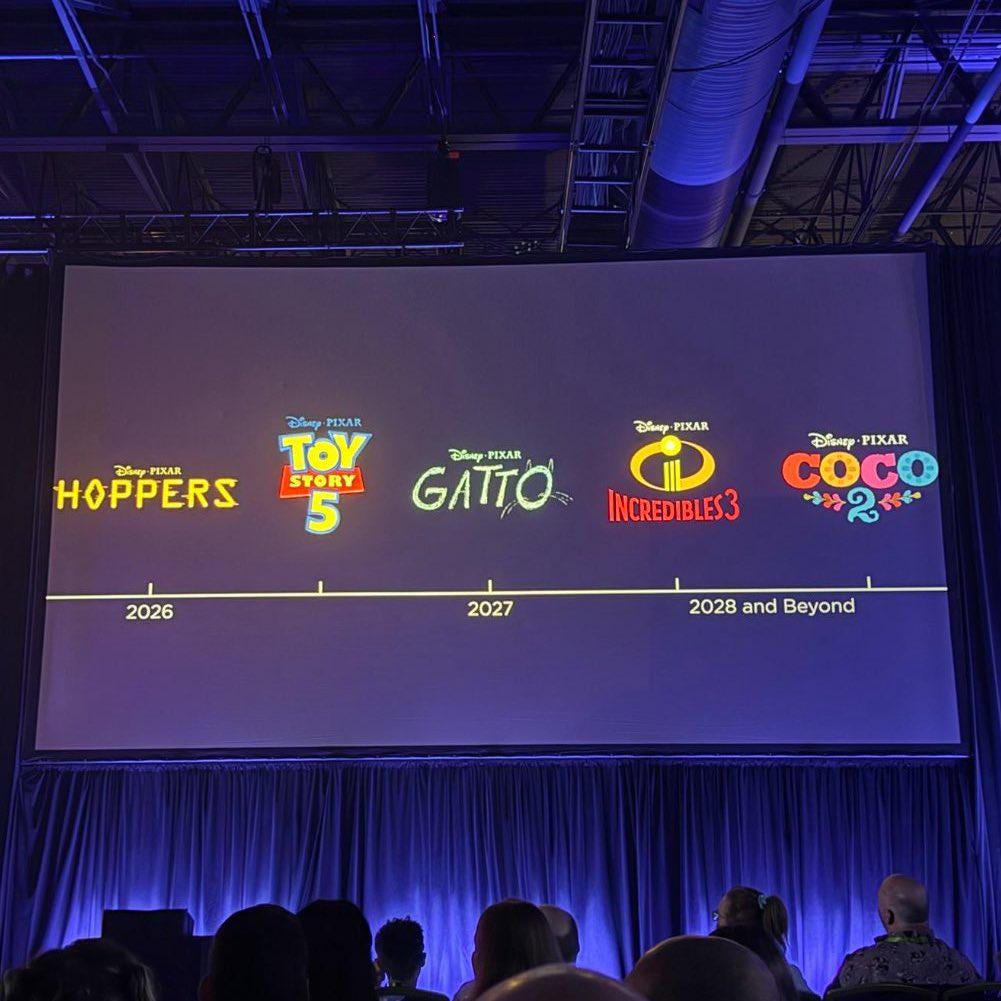
Another one of my biggest takeaways was the sheer amount of time and effort that goes into making a Pixar film, because as the panel went on to say, these projects are measured in years - not months - with around four years often being the minimum development and production timeline.
It’s easy to forget that, when audiences can then consume a film in two or so hours.
We see the finished product. The four years of development, experimentation, rewrites, animation, technical problem-solving and production largely disappear.
That makes the idea of “Pixar magic” slightly misleading because there is magic in what they create, obviously. The thing we eventually see is often only the final few percent of a much longer period of thinking, testing and failing. But there’s also an enormous amount of process behind it. And perhaps that’s something creatives across pretty much any industry can learn from; I’ll likely touch on this in my upcoming Spider-Man: Brand New Day breakdown, given paying homage to the crew was a pretty key part to the organic campaign.
Toy Story was never really about toys
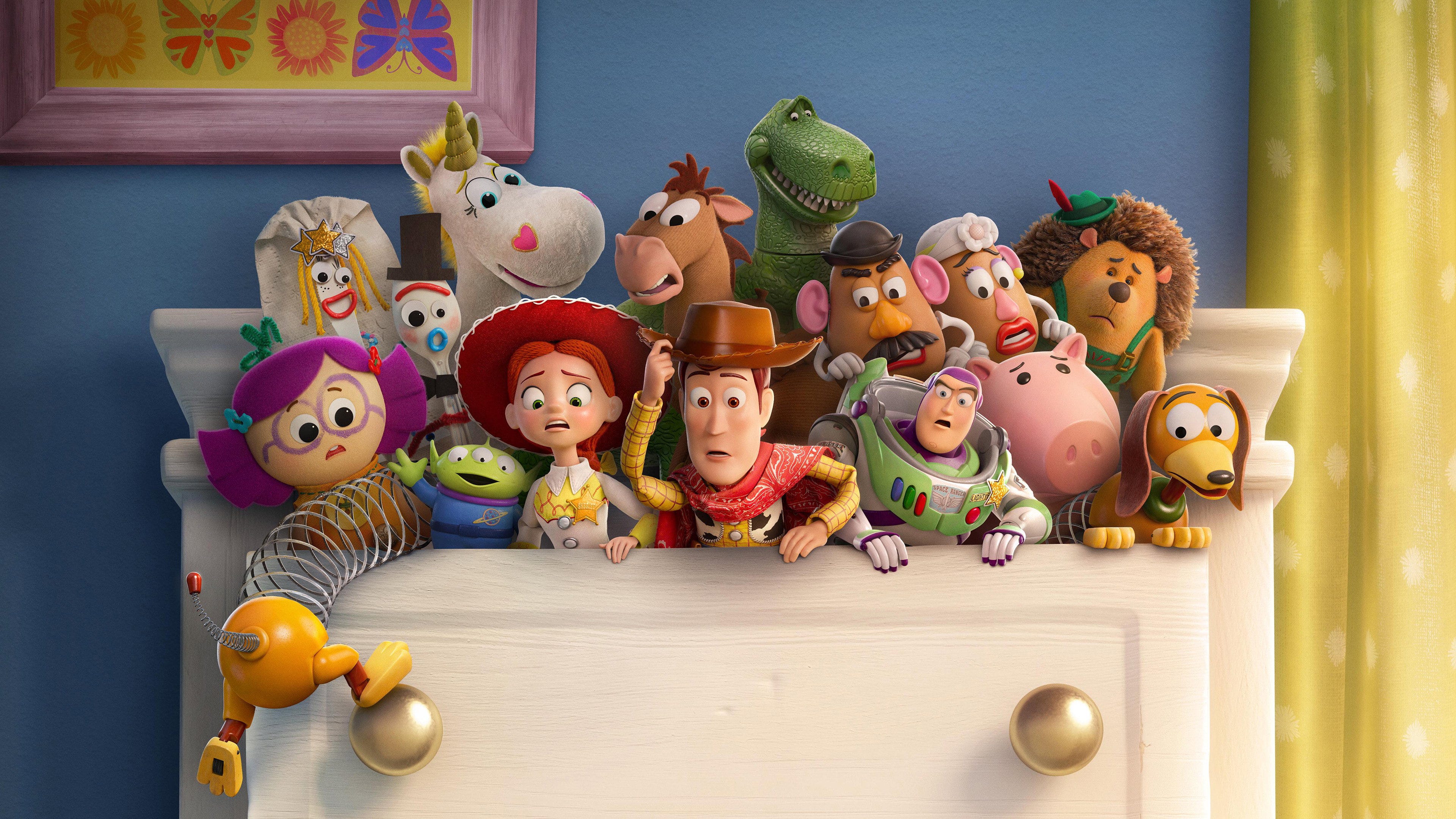
There were all these little titbits that you wouldn’t necessarily know unless you were actually in the room, but one idea in particular stuck with me: Toy Story is ultimately a story about growing up.
Now, you may have got to that conclusion yourself and if you did, go you - but for some of us the realisation that the toys themselves are only one part of the narrative. The real story is watching children grow, change, move on and pass things down to the next generation comes with some additional thinking.
However, once you get there it’s really easy to see. Butttt, if you look across the films, different children represent different stages of life, allowing audiences to see their own experiences reflected back at them.
Toy Story 1 → 2 → 3 → 4 → 5 / Andy → Bonnie
And suddenly, the longevity of Toy Story makes a little more sense.
The films haven’t really been asking us to care about toys for thirty years. They’re asking us to care about what toys mean to us. I find that distinction to be pretty thought provoking.
That’s because a toy can become a symbol of childhood, friendship, loss, growing up, moving on, or simply having somewhere safe to put your imagination; I might not play with toys anymore at big 25, but you best believe I have fond memories attached to certain toys I still have tucked away somewhere in my apartment. All in all, what this means for the franchise, is that it can change its characters, settings and conflicts while still returning to the same emotional truth.
And I think that’s one of the biggest reasons Toy Story can continue to evolve without completely losing itself.
There isn’t necessarily a Pixar Cinematic Universe
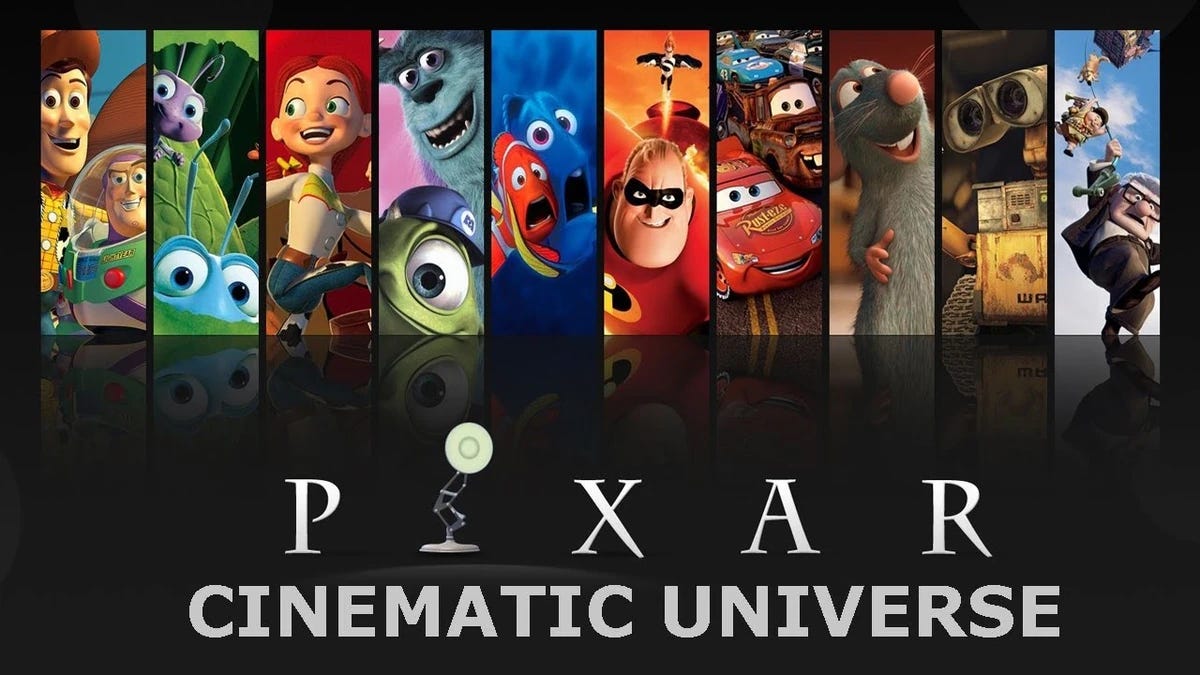
Interestingly, there wasn’t a huge amount of discussion around transmedia storytelling or long-term franchise planning; although you know I’d love that.
In fact, the conversation seemed to suggest almost the opposite, because the impression I got from Stanton was that a sequel isn’t simply the inevitable next stage of a successful property.
The story has to justify itself.
If the story is there, and it feels worth telling, then you make it.
If it isn’t? You don’t.
That was particularly interesting from a franchise perspective because it runs counter to how many modern entertainment brands operate. We’re used to thinking about franchises as ecosystems; I know I certainly am anyway, the thrill of plotting it out or discussing what could be next is most exciting!
What is the next film? What’s the spin-off? What characters can be introduced now that will become important later? What merchandise opportunities are there? What can eventually become a series, game, attraction or experience? Where can they possibly go next…
Pixar, at least from this conversation, seems to have approached it from the other direction.
Build something worth caring about first. Then see what it can become.
And I think that’s a really important distinction when we talk about transmedia.
Story first. Ecosystem second.
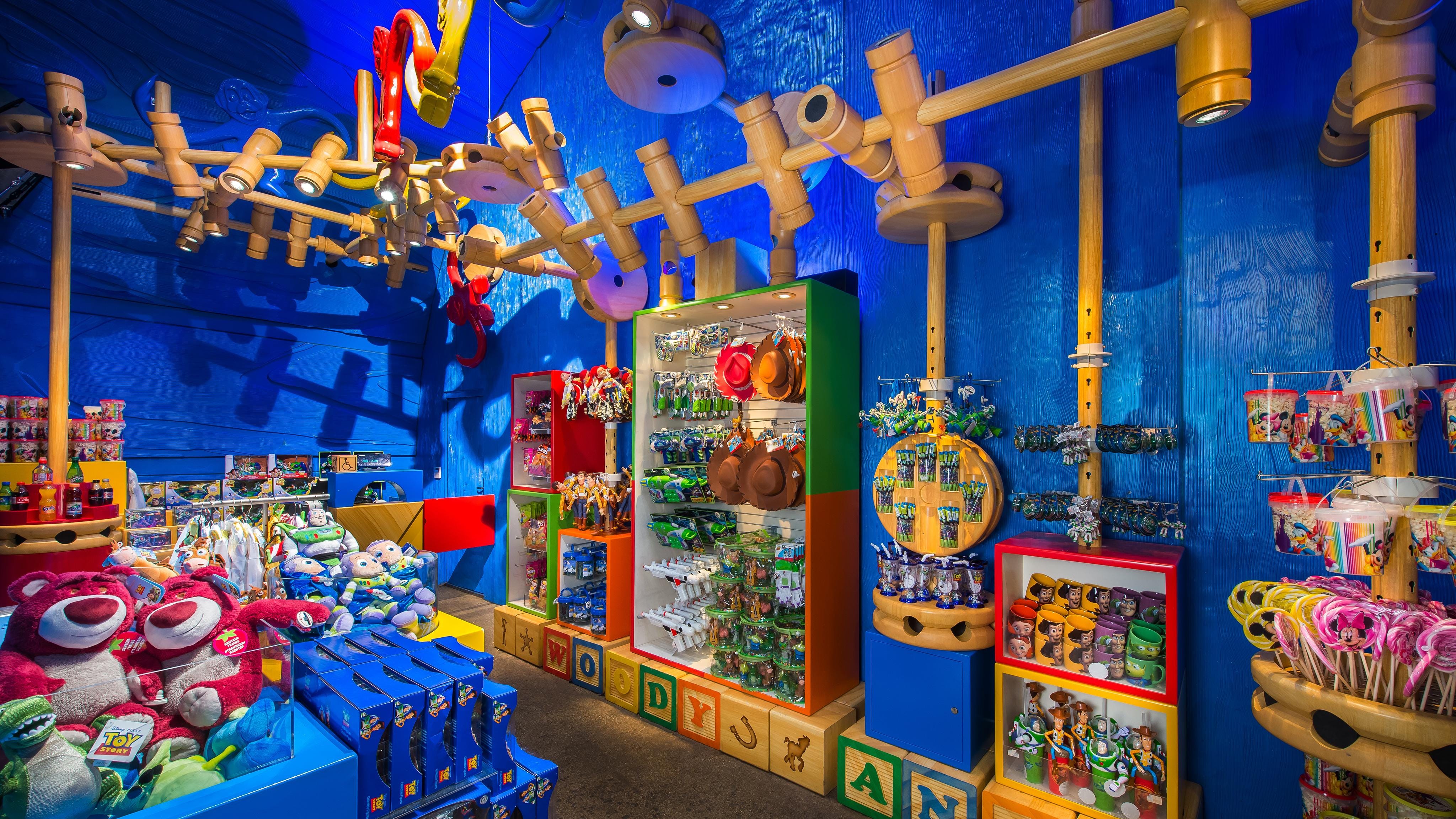
Pixar obviously have an enormous ecosystem around its films; supported by Disney too of course.
Merchandise. Sequels. Shorts. Attractions. Music. Games. Home entertainment. Theme parks. The list goes on. The most interesting thing I took away from the conversation is that the ecosystem doesn’t appear to be the reason the story exists.
Again, the story comes first.
The ecosystem grows because audiences genuinely connect with the story, and from a marketing and franchise-building perspective, I think that’s a really important lesson.
Successful franchises aren’t necessarily built by starting with the question: “How can we turn this into a franchise?”
Sometimes they’re built by asking: “Is this a story people are going to care about?”
The merchandise, sequels, spin-offs and brand extensions come afterwards.
Pixar may benefit enormously from the commercial opportunities attached to its characters, but the characters themselves still need to exist for a creative reason. And there’s something wonderfully ironic about that when we’re talking about Toy Story.
The franchise that has become one of the world’s biggest toy-selling machines is, at its creative foundation, a story about why toys matter.
That’s quite the full circle.
Passing the torch
Another part of the conversation that caught my attention was the development of Toy Story 5 itself; this panel was also largely focused on said release, of course.
Stanton spoke about co-directing with younger filmmakers (McKenna Harris) and described something resembling an apprenticeship process: bringing in the next generation of directors and allowing them to develop within the franchise.
There was also a degree of self-awareness in how he framed it, because part of the motivation is obviously succession planning; no creator wants to carry the pressure of returning to the same franchise forever.
So, by mentoring younger directors, Pixar can preserve institutional knowledge while allowing fresh perspectives to shape future stories. I think there’s something quite fitting about that happening within Toy Story of all franchises; a series so fundamentally concerned with growing up, letting go and passing things on, is now literally having its creative knowledge passed to a new generation.
This also connected with something I’ve been noticing across the entertainment industry more broadly; younger creatives being trusted with increasingly ambitious projects. A shift largely being heavily driven by traditional studios realising that digital native filmmakers possess an innate understanding of modern and typically young audiences; those that come to mind as I’m sure you’ll agree: Curry Barker & Texas Chainsaw, Jacksepticeye co-producing Bloodborne, Markiplier and Iron Lung, RackaRacka being offered Street Fighter, Kane Parsons becoming another highly sought-after young director after the success of Backrooms, and so on.
I do think there is something to be said for what youth can bring creatively.
When you’re younger, you’re generally more willing to experiment, fail and take risks. You have the energy to pursue multiple projects, try things that don’t work and learn through trial and error.
Later in your career, a larger portion of your time can end up being spent maintaining, managing or fixing the systems you’ve already built. So, maybe the best creative organisations aren’t necessarily the ones with the biggest concentration of established talent.
Maybe they’re the ones that know when to pass the torch.
Forty years of Pixar
During the panel and exclusive clips we got to see, there was genuine excitement for Toy Story 5; including from people significantly older than me. That kept me thinking about their reactions afterwards - even as I write this now I remember - because these films aren’t just entertainment products.
For a lot of people, Pixar has been woven into their lives, and these films have acted as milestones that mark different stages of childhood, adolescence and adulthood. People grew up alongside these stories. They watched Andy grow up. They grew up themselves - I sure did.
And then, years later, they found themselves sitting in a room getting excited about another Toy Story film. Perhaps that’s the most powerful form of franchise longevity there is. Not simply making something that people remember. Making something that people pass on.
And now, Toy Story 5
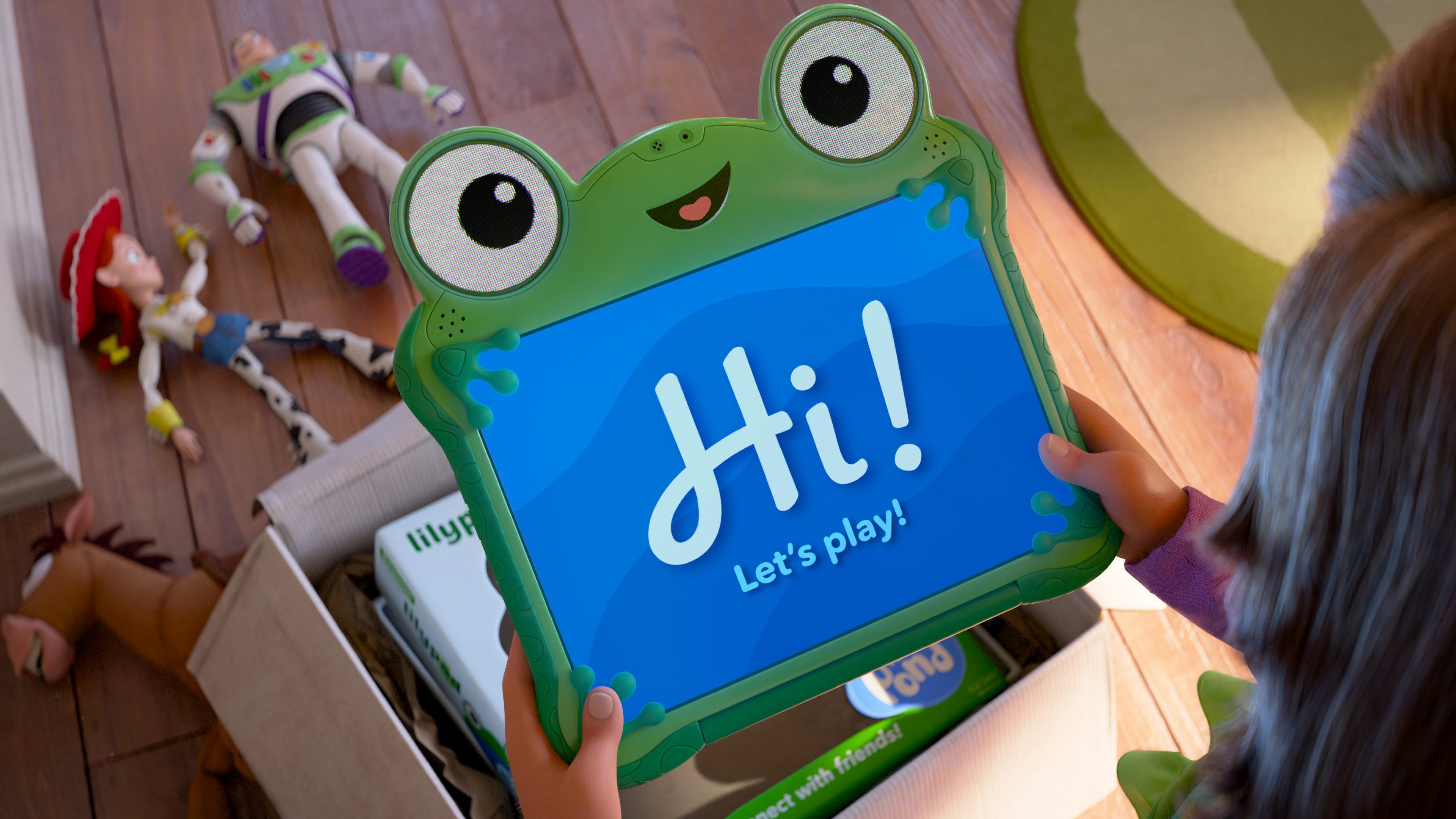
Overall, the panel wasn’t necessarily a masterclass in marketing or transmedia strategy.
And I’m glad it wasn’t. Because what it gave me instead was something much more useful: a reminder that all of that stuff has to start somewhere.
Story.
Pixar’s 40-year franchise legacy doesn’t appear to have come from knowing exactly what the next forty years would look like, instead it came from repeatedly asking whether there was another story worth telling. And that’s why I’m particularly excited about bringing you my take on Toy Story 5.
Because I’ve spent a lot of time recently thinking about what happens after that creative decision:
What happens when a franchise has thirty years of cultural equity behind it?
How do you make a fifth film feel relevant to a child who wasn’t even alive when the first one came out?
How do you make the parents who grew up with Woody and Buzz want to take their own children to see them?
How do you turn nostalgia into theatrical urgency?
And perhaps most importantly, how do you market a story about toys confronting technology without making the whole thing feel like a manufactured “toys vs. tablets” culture-war talking point?
Those are the questions I’ll be getting into on Monday.
Because if Pixar’s creative philosophy is story first and ecosystem second, then Toy Story 5 gives us a pretty fascinating opportunity to see what Disney did with that story once it entered the machinery of a modern global film campaign.
And, having listened to the people who made it, talk about why they believed there was another story worth telling...
I’m very interested in showing you how they convinced the rest of us to care.
Thanks for reading another post from The Harperverse!
If this kind of breakdown is your thing - film marketing, transmedia storytelling, the business behind the stories - subscribe to The Harperverse.
The Harperverse is a free publication, if you want to support what I’m building here, a paid subscription is £4 a month, less than a coffee in London!
For related reading:
Storytelling in Commercial • Beyond on the Trailer • Horror Marketing in 2026 • The Hoppers Playbook • Backrooms
Browse by what you're in the mood for: deep-dive Tentpole Autopsies, shorter Documentary Reports, and reactive Quick Takes; filter by studio, genre, or media channel if you're after something specific.
~ most uncredited images will have been taken from the films TMDB page!
Your comment about succession planning comes at an interesting time in entertainment. So much of what fuels the major studios and publishers are legacy IP that keep being refreshed for new generations, but if new ideas and adaptability aren't baked into both their media and their processes, they won't evolve and sustain. But as a child of the '70s, I'm also fascinated with how much of today's culture capital depends on media from the '60s through the '90s, and how little of what we've created in the 2000s feels like a "legacy" by comparison. The more we keep resuscitating legacy media, the fewer legacies it creates space for, which feels like something we're really only going to be able to fully process in retrospect.