


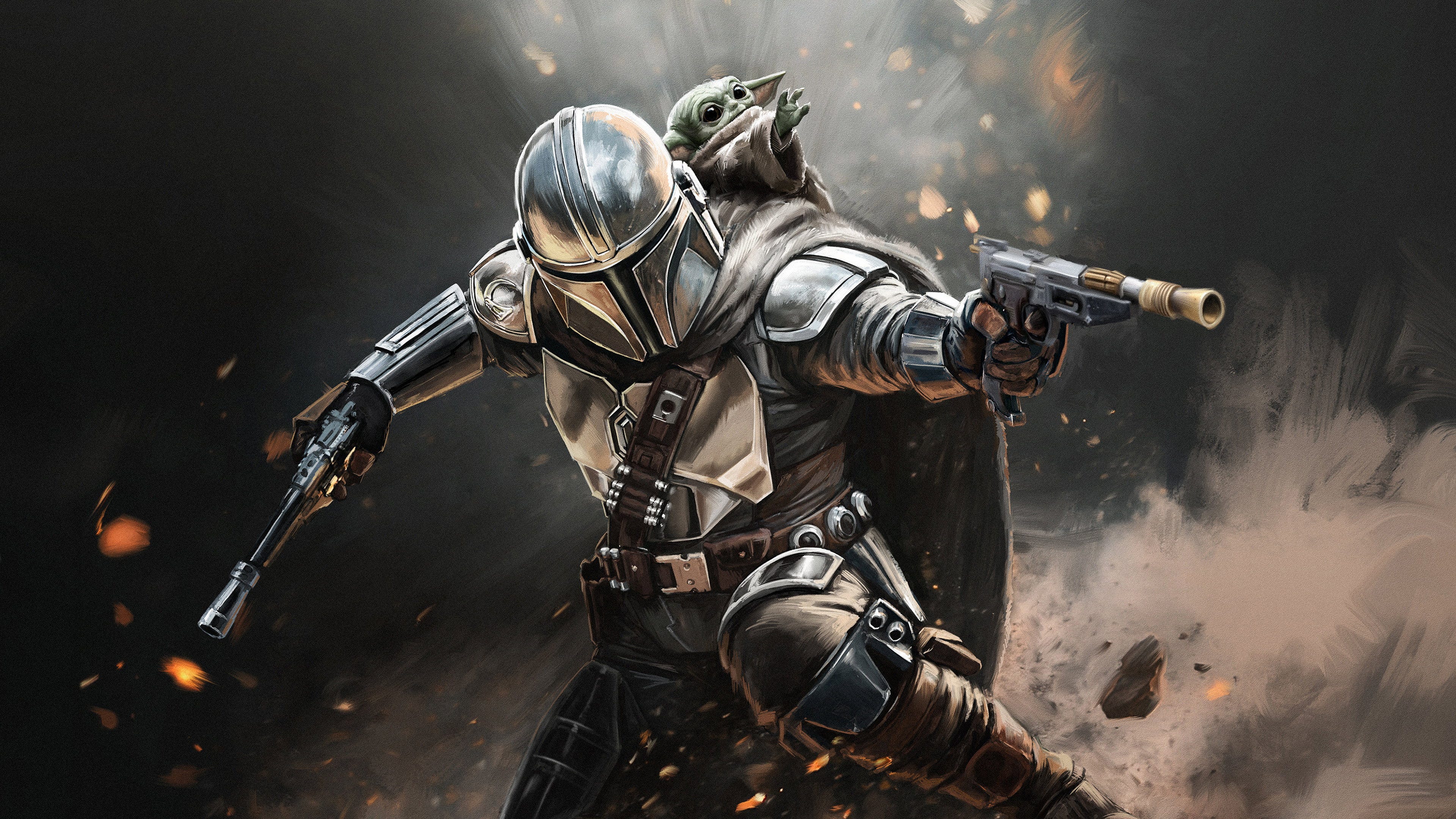
The Mandalorian and Grogu is, when you strip it all back, a side story.
Not a saga film. Not a universe-shaker.
A self-contained adventure that lives in the margins of the wider Star Wars timeline.
And yet here we are: $300 million in production & marketing spend, IMAX screens, global spectacle stunts, and a campaign explicitly designed to manufacture the kind of cultural moment usually reserved for the event film, not a film in a franchise. That gap - between what this film actually is and what the campaign was asking audiences to feel about it - is what makes this campaign worth pulling apart.
You see, there’s been no shortage of people writing about the stunts - the floating popcorn in Times Square stands out for sure - and don’t get me wrong, I love a stunt and documenting them all. However, this time around I’ve decided to shift my focus on something a little different. What I wanted to understand is why Disney made the choices they made, where the logic held, and where it didn’t. Because I think this campaign has a lot to say, and most of the coverage has stopped at “here’s what Disney did,” which is a starting point, not an ending one. Nobody’s really asked the harder question sitting underneath all of it.
Instead of only documenting the campaign this time around (as I’ve been doing for nearly a year), I’ve decided to level up so to speak, and provide you with more strategic thinking. But, just before we jump in, the usual bits of housekeeping and context do still apply:
The Mandalorian and Grogu is the first live-action Star Wars theatrical release since The Rise of Skywalker in 2019. A significant gap carrying a significant weight of expectation in both directions. It’s built on the Disney+ series that ran three seasons, built a genuinely passionate fanbase, and turned Grogu into one of the most recognisable characters in modern pop culture.
The production budget is estimated around $165 million, with wider reporting placing the combined production and marketing investment around $300 million overall; a full tentpole commitment from Disney and Lucasfilm rather than a cautious test run.
Now, into the actual stuff because this is where the fun begins ;)
The Headache: Manufacturing Event-Status in a World That’s Moved On From Manufactured Events
This is the way that I’ve come to think about this campaign, Disney wasn’t just trying to sell a film, they were trying to solve a specific and genuinely hard cultural problem:
How do you recreate the feeling that going to see Star Wars is a moment - something you have to be part of, something that marks time - when audiences can already access everything these characters have to offer from their sofa, for the price of a Disney+ subscription they probably already have?
Star Wars used to win that fight just by existing. There was a time when a new Star Wars theatrical release came unquestioned, because it literally moved culture like it had it’s own gravity.
You went. Everyone went. It was the thing.
That’s no longer automatic, and I don’t think it’s because people love Star Wars less, it’s just that the relationship between audiences and the IP has fundamentally shifted.
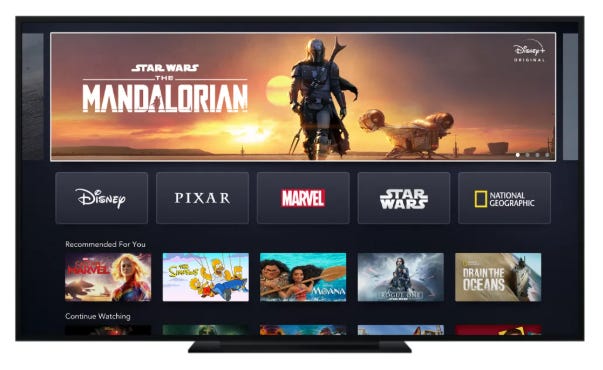
Three seasons of streaming content mean that Mando and Grogu now live in people’s living rooms in a way that Han Solo didn’t before A New Hope hit cinemas in 1977. The familiarity is a gift - you don’t need to build awareness, the characters are already loved - but it’s also a trap. ‘Comfortable and familiar’ and ‘urgent event I need to leave the house for’ are not the same emotional trigger, and moving an audience from one to the other is a harder brief than it looks on paper.
What’s more, audiences are smarter and savvier than they’ve ever been about this kind of thing. They’ve seen and know the “you have to be in the cinema” messaging well, having seen it so many times. They know a streaming window is coming. They know word of mouth will tell them whether the trip is worth it.
The campaign therefore had one primary job above everything else: make this feel like a moment that couldn’t be held at arm’s length, at a time when holding things at arm’s length has become second nature.
Who Was This Actually For?
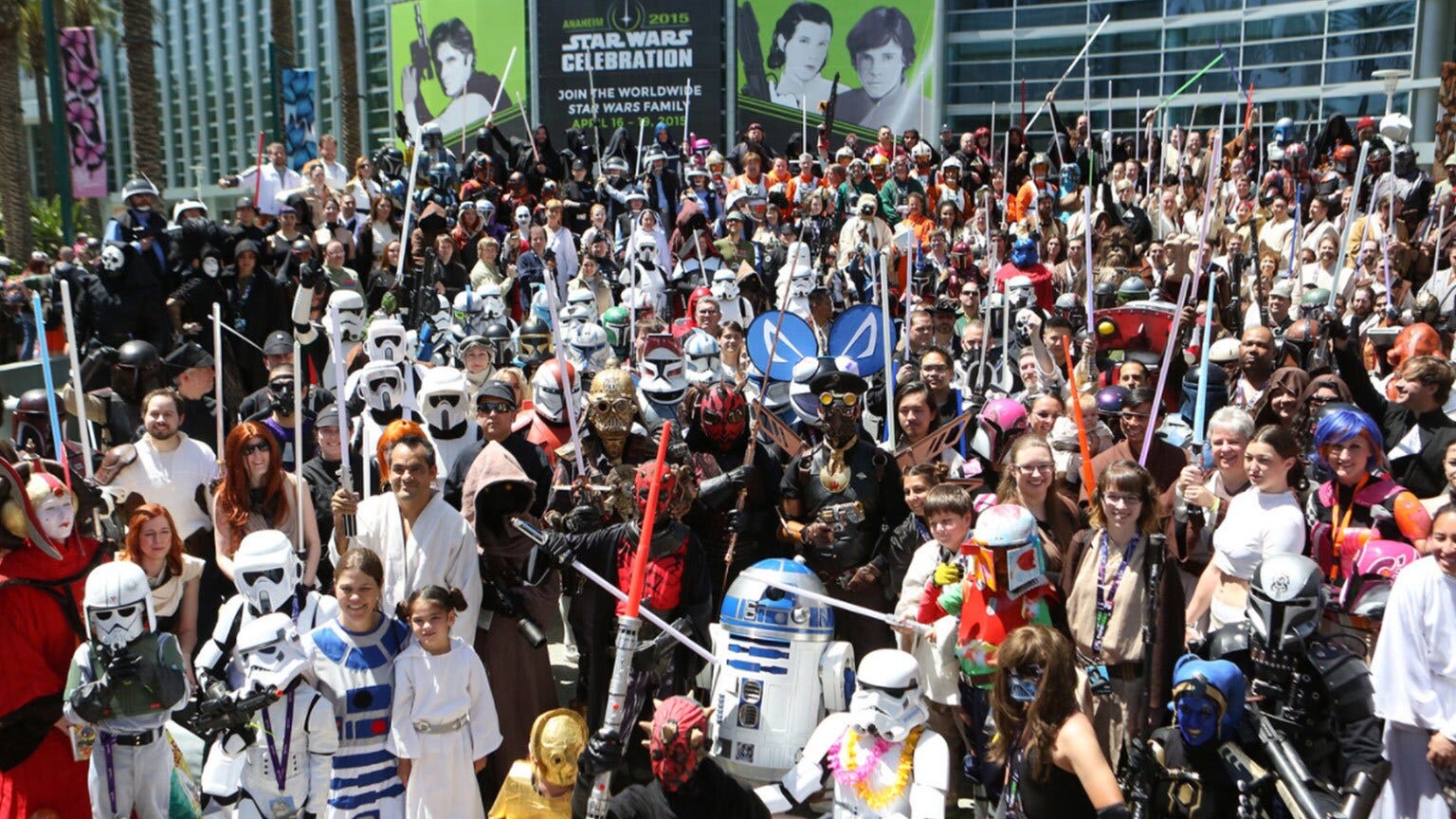
Before getting to how Disney went about solving that, it’s worth being honest about who the “moment” was being manufactured for, because this is where the campaign gets complicated.
The obvious answer is “Star Wars fans,” and yes, of course. But Star Wars fans in 2026 are not one audience. There are the people who watched all three seasons on Disney+, who know what the Darksaber storyline meant, who can tell you exactly why an appearance from Zeb Orrelios/Rotta/Embo matters; then there are the people who know Grogu as “Baby Yoda” from the internet, who’ve just sort of absorbed the show without necessarily sitting down and watching it. And then there are families with young children who see that little green face on a poster and immediately want to go regardless of any other context - any bets on where I sit or where you sit, feel free to:
The Nielsen data published around May the 4th this year is actually fascinating and fits perfectly here. In 2025, U.S. viewers watched 33 billion minutes of Star Wars content across linear TV and streaming. The generational breakdown is the really interesting bit though; The Mandalorian specifically is the most popular Star Wars property among Gen Alpha and Baby Boomers. Gen Z is mostly into The Clone Wars animated series. Millennials and Gen X enjoyed Andor the most:
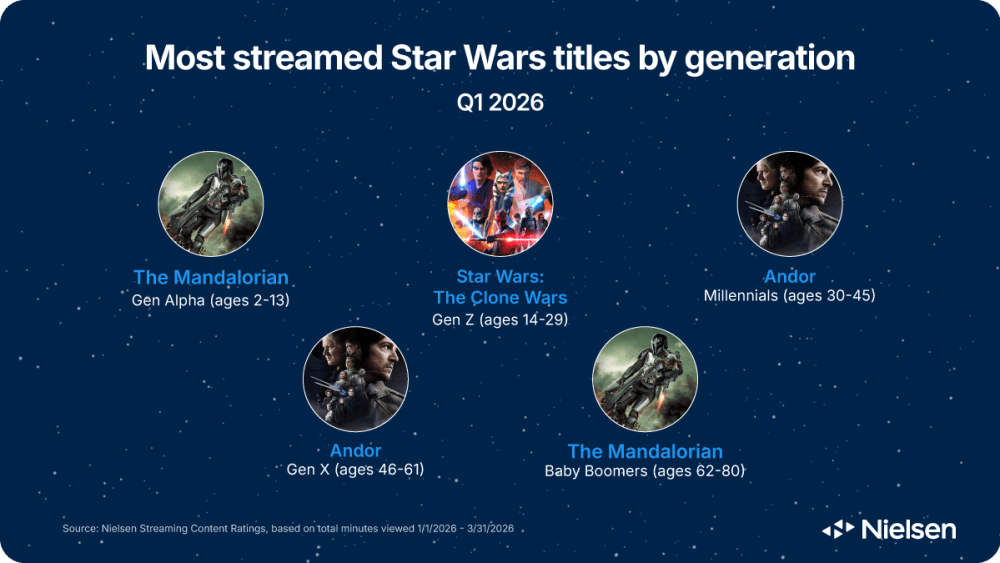
So, you’ve got a show that skews toward the youngest and oldest audiences simultaneously, which is a specific challenge for theatrical conversion. The audience that typically drives theatrical urgency, Millennials and Gen X, the demographic with disposable income and established cinema habits who grew up with the original trilogy, isn’t the audience that loves this show most. That’s worth remembering before looking at any of the campaign choices.
The secondary audience the campaign was trying to recruit was casual family audiences: people who know Grogu, who’d take a partner or kid to see it, who don’t need deep lore investment as the price of entry. Which is a real and worthwhile audience, but one that as we’ll get to, comes with its own complications.
How It Performed
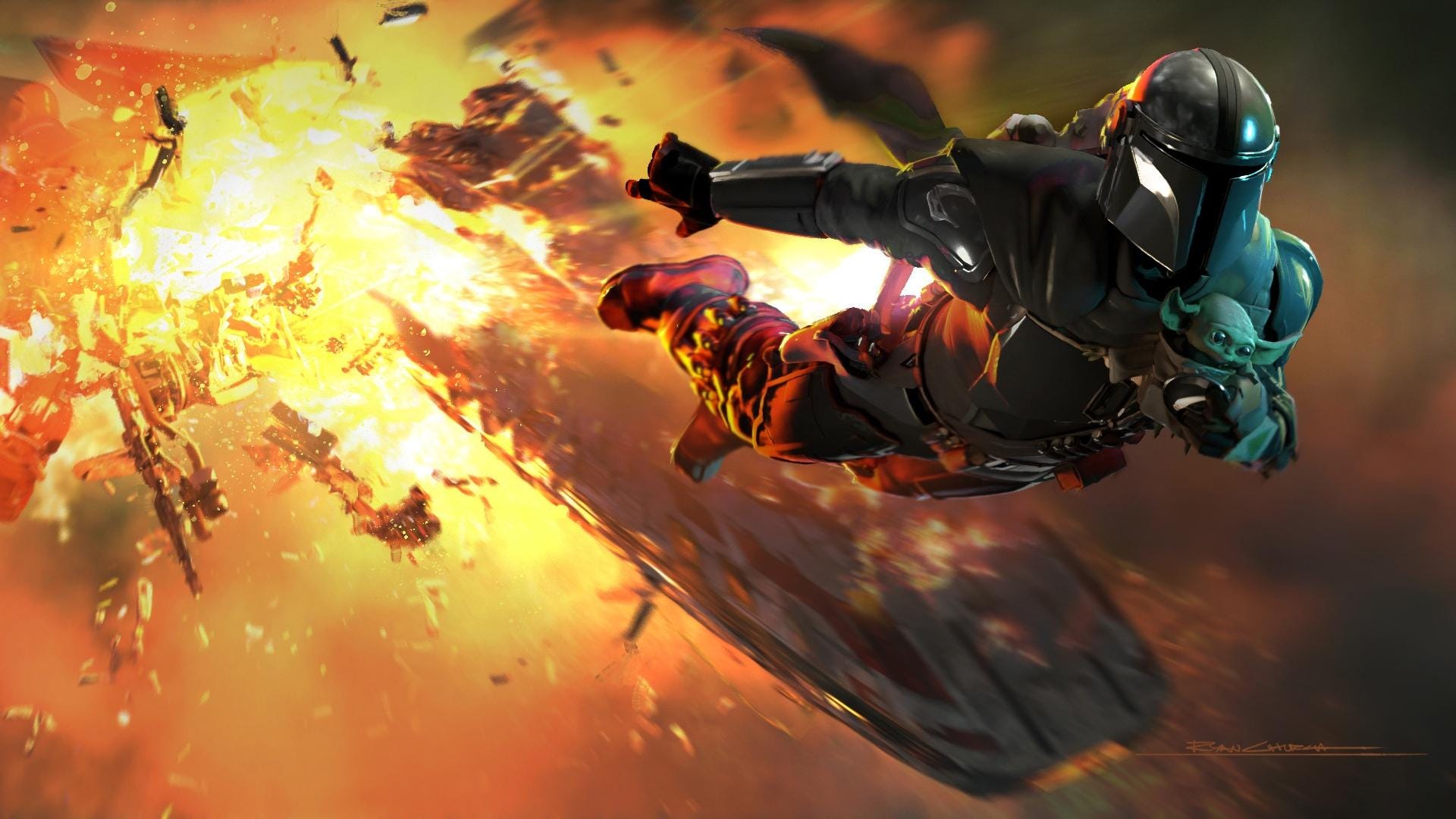
The film ultimately underperformed by almost every theatrical measure that matters for a modern Star Wars release. While its opening initially looked respectable on paper - pulling in $103 million across the four-day Memorial Day frame and $165 million globally - the real story was what happened afterwards.
Put simply, The legs simply weren’t there.
As of the 4th of July, The Numbers has the film sat at around $176 million domestically and $336 million worldwide, making it the lowest-grossing live-action Star Wars film to date and significantly below the estimated $500-600 million range generally believed necessary for profitability.
The more revealing signal came in week two. The film dropped a historic 69%, an unusually steep fall for a franchise built around repeat viewing and audience momentum. Internationally, trade reports suggested strong weather in the U.K. and parts of Europe may have contributed to softer attendance, but that explanation only stretches so far. Sunshine doesn’t explain a collapse of that scale; plus I know this is a survey of one, but I wanted out of the sun, sitting in my apartment was genuinely horrendous!
More importantly, it doesn’t explain what happened next.
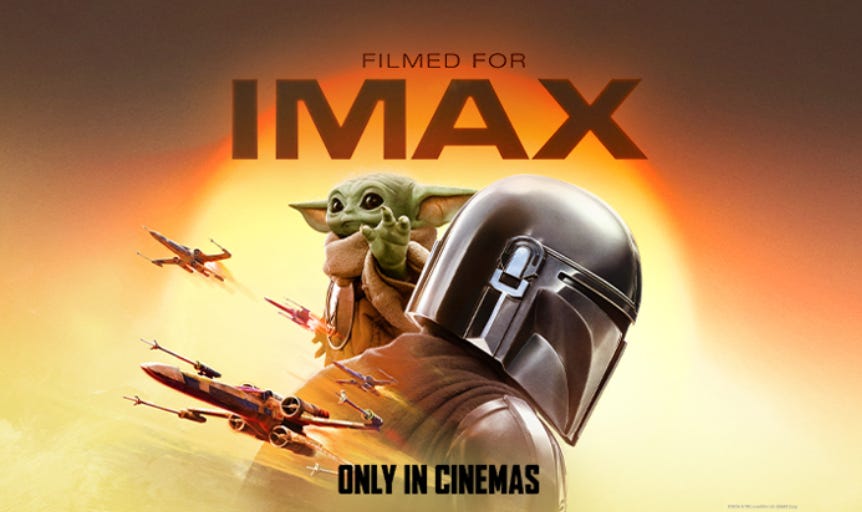
After only two weeks, the film suffered an unprecedented programming blow when IMAX cut its exclusive run short after just two weeks. Originally booked for a three weekend premium large format (PLF) window, IMAX unexpectedly transferred its global screen allocation to Amazon MGM’s reboot Masters of the Universe for early June; adding on top of that, 53% of global ticket sales were initially driven by premium formats, IMAX accounted for 15% ($24 million) for the four days, it’s third-best showing ever for Memorial Day.
This serves as a massive market signal. Theatre exhibitors and IMAX executives completely lost confidence in the leggy potential of Star Wars. Exhibitors scrambled to minimise losses by changing lanes to a film with stronger positive tracking. It proved that the “Star Wars” brand name alone is no longer an automatic guarantee for keeping PLF real estate.
The Mandalorian and Grogu didn’t lose those screens because of weather, instead it lost them because the market stopped behaving like this was an event.
The Big Spectacle Bet: Stunts You Had to Actually Be There For
Right, this is the bit that genuinely impressed me about the campaign, and I want to be clear that what I’m about to describe isn’t just “Disney spent a lot on OOH.” That’s not the interesting thing. The interesting thing is how they spent it, and what they were actually trying to achieve.
Disney wasn’t just buying visibility with their OOH, instead they were trying to recreate something that streaming gradually erodes: the feeling that something is happening somewhere, and that if you aren’t there, you’re missing it; FOMO for short I guess.
The Times Square Force-floating popcorn stunt is probably the clearest example; 211k+ likes on Instagram alone + the residual content that came from it. This wasn’t a single billboard and it wasn’t a piece of social-first CGI wizardry or FOOH (Fake Out-of-Home) designed to look impressive on your phone. It was a giant physical object appearing to float above people’s heads using “the Force,” in one specific place, at one specific time.
If you were in Times Square, you experienced it. If you weren’t, you saw somebody else experience it; like Pedro Pascal.
That second-hand version still has value of course; it creates reach and feeds the social cycle. But it’s fundamentally different from physically being there. The stunt wasn’t really selling popcorn or even the film itself as much as it was selling participation. Something happened, and you either caught it or you didn’t.
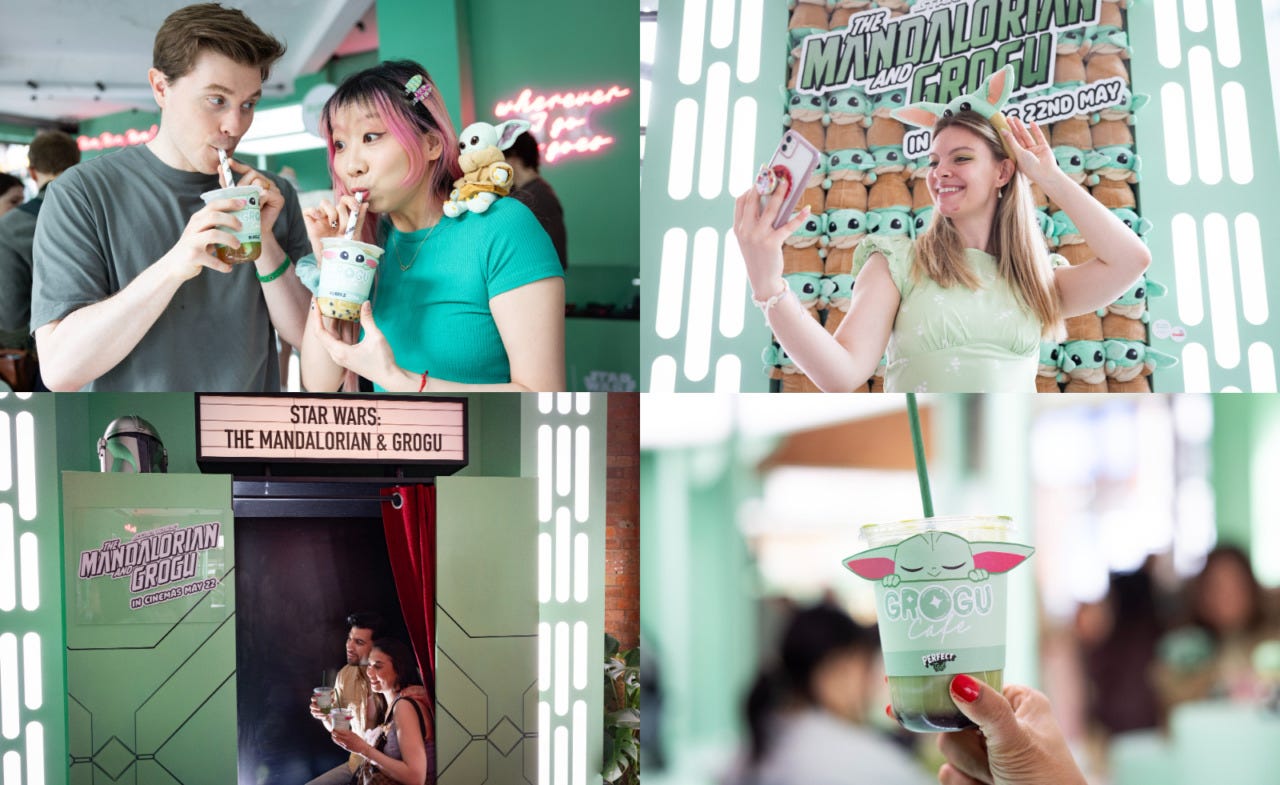
The same logic applies to the Grogu Café in Shoreditch. You had to actually go there. You had to queue - no surprise, it’s England - get your themed cup, take your photo, post it, and become part of the event itself.
The deal being made with audiences was surprisingly simple: show up and you get to be in it.
And what’s interesting is that the reward isn’t really the coffee, or Grogu, or merchandise. The reward is presence itself. You were there. If you missed it, you missed it. That sounds almost trivial written down, but emotionally it does a lot of work because streaming cannot recreate the feeling of existing in a specific place with other people while something is actively happening around you; unless your living room is a zoo I guess!
The Xochimilco activation in Mexico operates on exactly the same principle. Grogu appearing on the iconic trajineras wasn’t just advertising dropped into public space; it was part of Grogu’s world tour and felt more like the world of the film briefly colliding with a real-world cultural experience people already travel to see. You couldn’t experience that from your sofa.
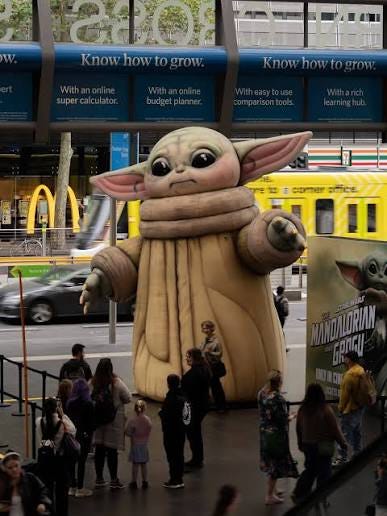
The giant inflatable Grogu at Australia’s Southern Cross Station worked similarly. It transformed a normal public space into a temporary event. You either stumbled into it or you didn’t, and that distinction is kind of the entire point; feels like I haven’t touched on Inflatables in forever, and that’s because I haven’t! The last time I touched on any was in the following post, crazy to see how far we’ve come since then:

The Disney After Dark event at Disneyland did something similar again, taking a familiar environment and reframing it as something temporary and exclusive. Even the sports integrations - WrestleMania, MLB games, NBA appearances - were functioning in the same way. These are already emotionally heightened environments where crowd energy exists before the campaign arrives. Grogu appearing at WrestleMania isn’t just generating impressions on a media report somewhere; for people in that arena it becomes an actual memory.
Even the Super Bowl spot fits into this broader idea, although in a much messier way.
Rather than simply dropping a conventional trailer during one of the largest advertising stages of the year, Disney ran a parody of the classic Budweiser Clydesdale commercials, replacing horses with tauntauns and bringing in Sam Elliott narration. And honestly, I understand the instinct. The Super Bowl is one of the few places left where advertising itself becomes part of the entertainment. Making people remember the ad rather than simply pushing footage at them isn’t a bad strategy.
The issue is that audiences seemed to come away asking a different question: why are we getting a joke instead of a reason to see the film?
And that criticism matters because it runs into the wider challenge the campaign kept wrestling with. The marketing consistently prioritised feeling over information; atmosphere over explanation. That’s exactly how The Mandalorian television series was always sold and it worked brilliantly there. But a theatrical release carries a different burden. People weren’t simply asking whether they liked Mando and Grogu; they were asking why this specifically needed to be a cinema experience.
Now, that distinction never entirely disappeared.
But taken collectively, I think this is still the most genuinely innovative aspect of the campaign: the deliberate engineering of location-specific presence as the spectacle itself, rather than relying purely on scale or technical complexity.
You couldn’t screenshot your way into having been at Shoreditch. You couldn’t recreate bumping into a giant inflatable Grogu in Australia. You couldn’t manufacture being in a WrestleMania crowd after the fact; try if you must, I’d be impressed.
In a media environment where almost everything is available to everyone instantly, that kind of scarcity is actually pretty rare.


Where things do become more complicated is the broader OOH footprint: Vegas screens, Sunset Boulevard and The Grove in LA, JFK, London’s Leicester Square, Westfield Vue, Holland Park roundabout and so on.
Some of this is straightforward reach. Keeping the film unavoidable during the campaign window, making sure audiences repeatedly encounter it during everyday life; completely legitimate, completely necessary.
But some of it is doing something more interesting too.
Large-format placements in high-dwell environments aren’t really operating on frequency alone. They’re operating on stature. There’s a meaningful difference between a D6 poster at a bus stop and taking over Piccadilly Lights, because one is asking for attention and the other is performing importance.
And I think that distinction matters because not all OOH is doing the same job. Some placements are trying to reach people. Others are trying to signal that what they’re looking at matters.
The Grogu Problem: Cute Sells, But Cute Sells to Whom?
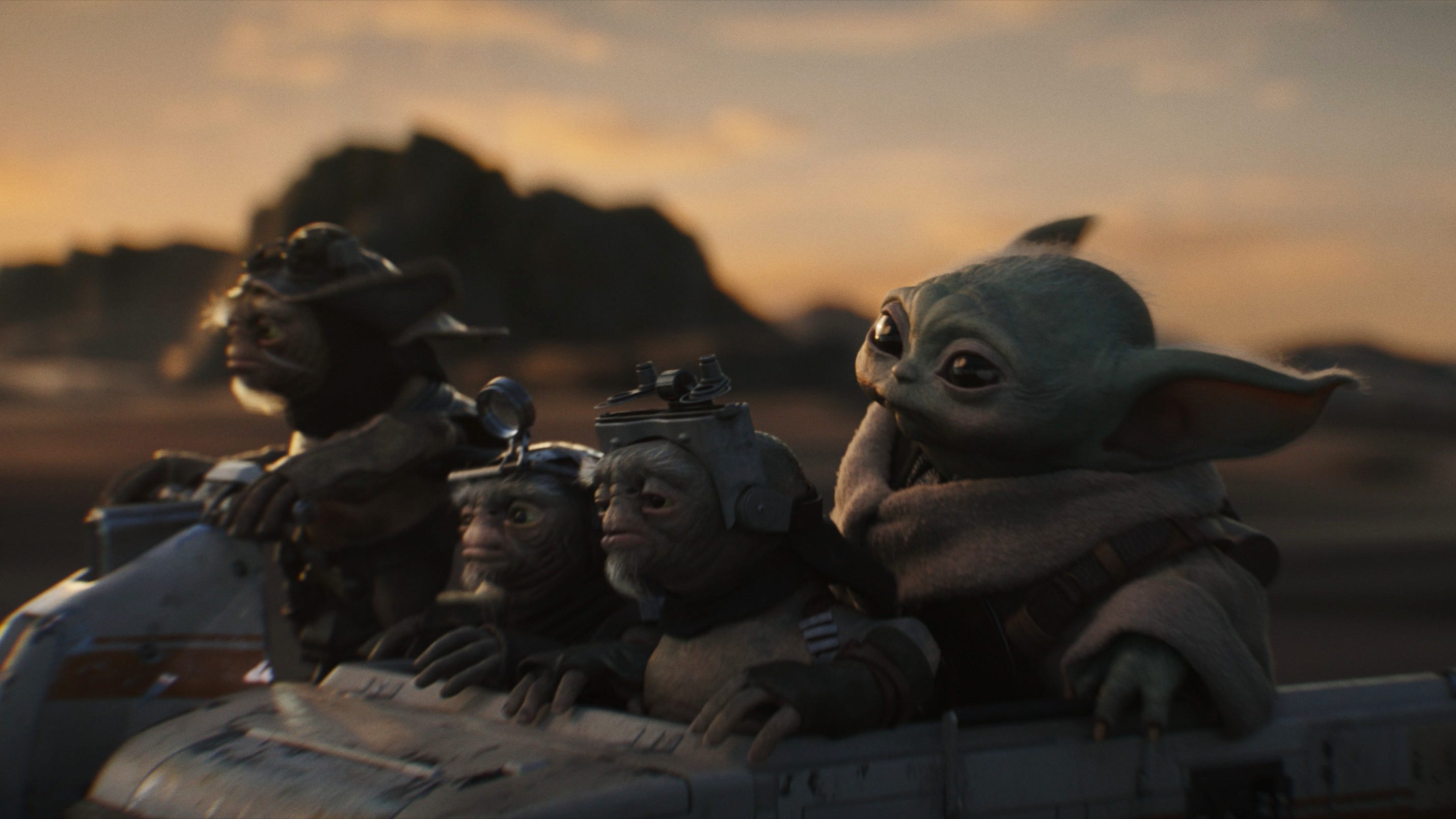
Grogu is everywhere in this campaign. He was the face of the Shoreditch café, the Times Square stunt, the merchandise lines, the CapCut templates, the Miniso collab figures, the Sideshow life-size collectible, and even made live appearances. He’s doing the audience acquisition work by pulling in anyone who’s just picked up on “Baby Yoda” from having the internet, and particularly families with young children who see that little face on a poster and immediately want to be involved.
That’s completely intentional, and it’s the right strategic instinct in terms of widening the door. Like James Gunn leaning on Krypto in the Superman campaign, or any franchise lead using its most broadly-appealing character to do top-of-funnel work, Grogu is emotionally accessible in a way that “first Star Wars theatrical release since 2019” simply isn’t for someone who hasn’t been watching the series.
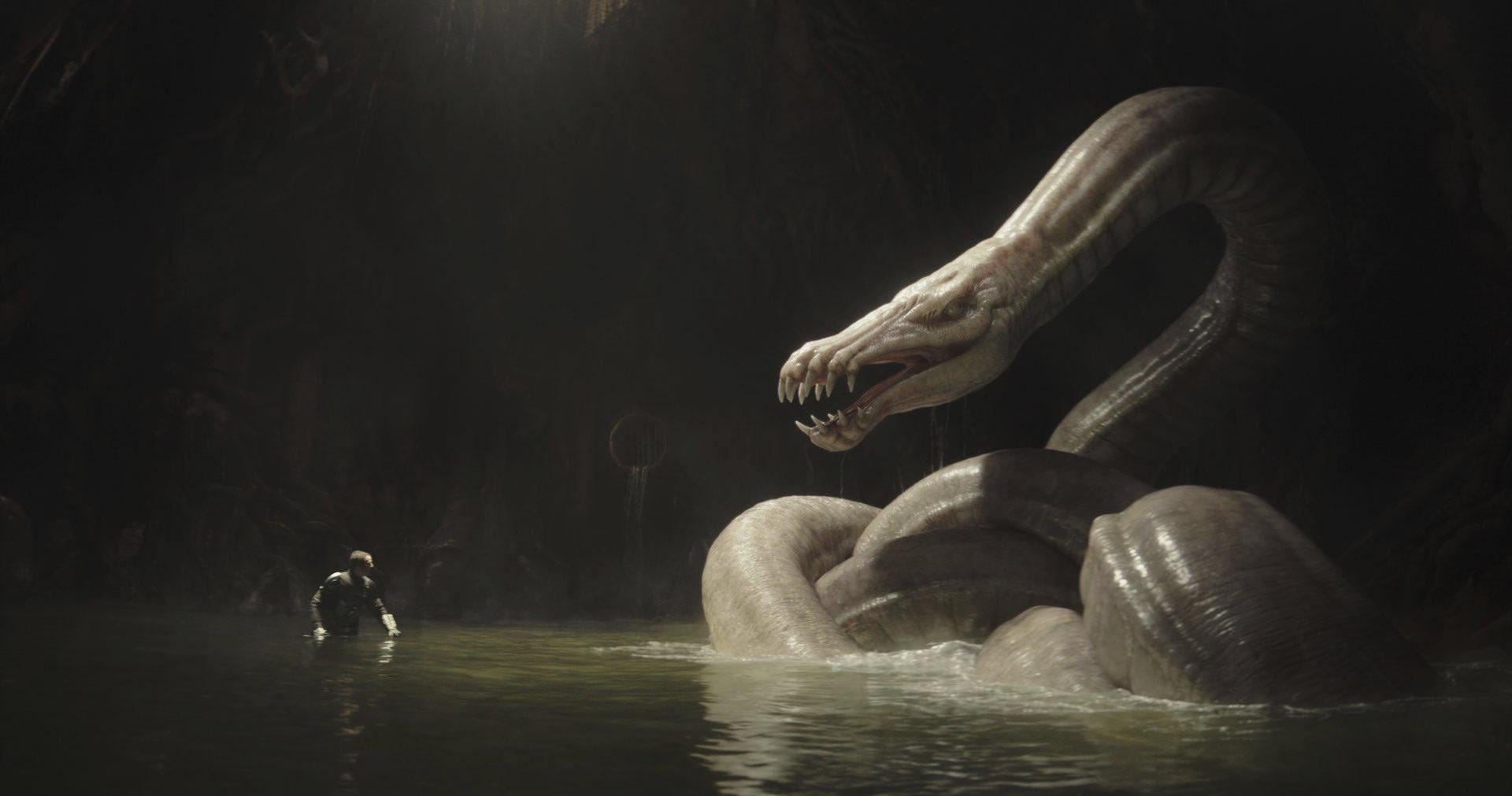
But. The film is a PG-13 space western. It’s got proper action sequences, genuine stakes, monsters, violence. I’ve seen it mentioned more than once that younger kids going in expecting Grogu got a Star Wars film instead; and those aren’t the same thing. Although, to be fair, if you’d watched all the trailers carefully those elements were baked in there - the action, the scale, the tone - so it’s not as though Disney hid what it was. But trailers don’t always reach the decision-makers in a family context, and “Baby Yoda is in it” absolutely does.
The comparison I keep coming back to is Logan because it sold the same father-son emotional DNA. Not “here’s the cute one,” but “this relationship is going to cost both of them something, and that might break your heart,” and it recruited an adult action-drama audience that doesn’t think of themselves as superhero fans. That pitch works regardless of whether you know the lore. And here’s the thing, the elements were already there in the Mando trailers. The action, the scale, the weight of the relationship, the monsters. The information existed in the campaign. It just wasn’t being sold as the primary feeling.

Grogu was the hook, which makes total sense for reach and I’m not saying bury him - Grogu is the most marketable thing about this film, that’s just a fact - but I think there was a version of this campaign that got audiences in the door with Grogu and then made them feel something about what was waiting behind it. The dad-core angle, the stakes-driven action, the “this will actually move you” pitch. I’m just not sure that second layer landed strongly enough to do the conversion work it needed to do.
Cinema or Very Expensive TV? The IMAX Question
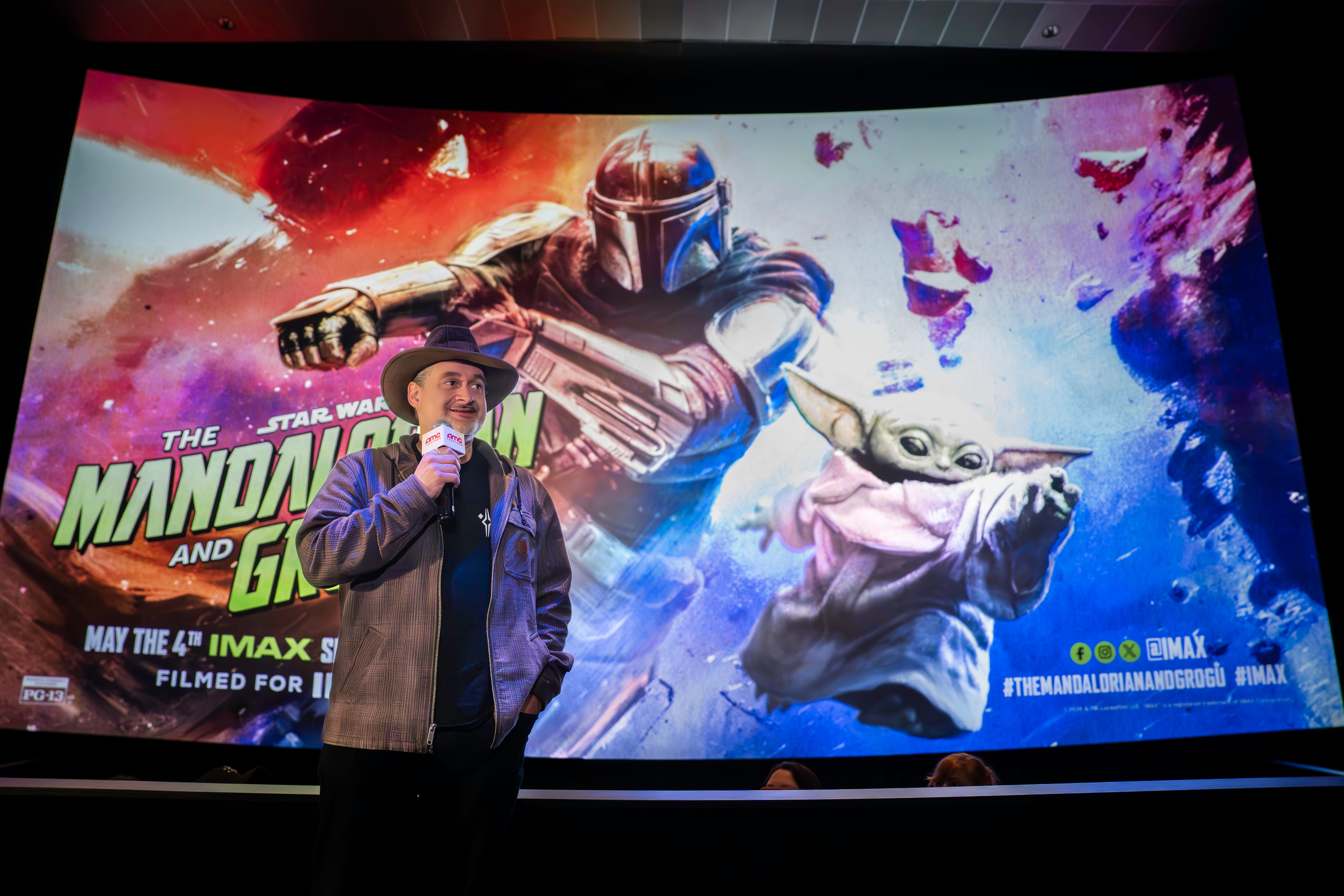
Okay so the IMAX situation…
I keep coming back to this one because it’s the most concrete, unavoidable signal in the whole campaign, and I want to be clear it’s not me being negative about the film. It’s a market verdict, not a vibe. The Mandalorian and Grogu lost its IMAX screens significantly earlier than anticipated to Masters of the Universe, which was absent from the 2026 slate Imax shared with investors as per IGN, and that’s not a small thing. Exhibitors don’t make that call lightly, they reallocate screens when the returns don’t justify holding them, full stop.
The IMAX positioning was present in the campaign - the language was there, the “experience this in IMAX” messaging was there - but there’s a difference between positioning a film as an IMAX event and convincing an audience that the IMAX experience is meaningfully, viscerally different to seeing it on any other screen. The second thing requires a specific kind of footage and a specific editing sensibility that says, essentially, “this was made for scale and you will feel it in your chest.” The trailers and promo materials had moments of it, but not enough to sustain premium positioning through a full theatrical window.
Part of this is a genuine production challenge that no marketing campaign can fully solve. Three seasons of streaming television create a visual grammar - a shooting style, a pacing rhythm, a particular approach to scale - that’s genuinely hard to shake entirely in one film. The Mandalorian is a great-looking show, but it’s lit, shot, and cut as television. Making a film that looks different enough from that to justify the IMAX premium is hard. And if the film itself doesn’t quite land that distinction, the marketing is fighting against the audience’s existing mental model of what these characters look like.
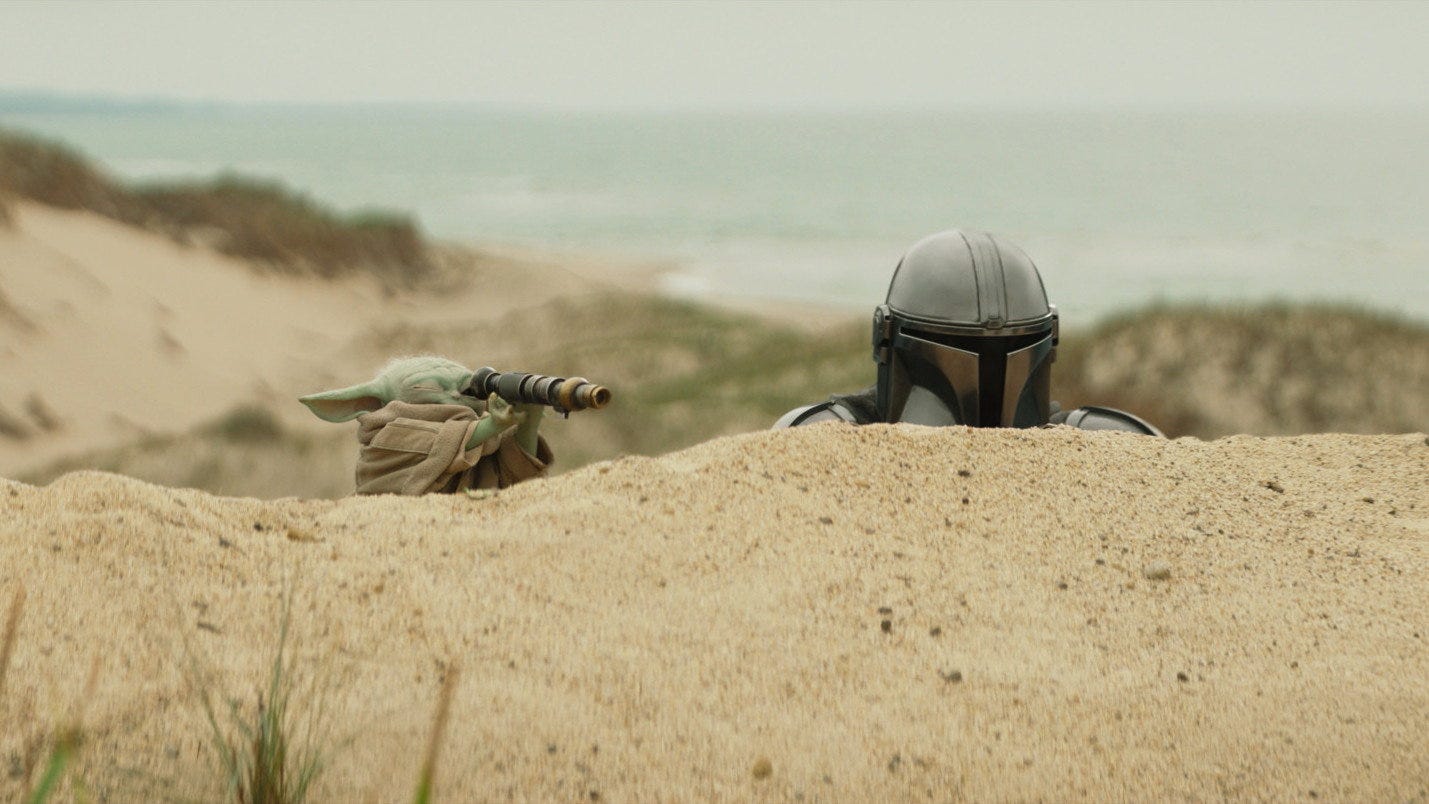
And the interesting thing is that I don’t think this was just me over-reading the campaign after the fact either, because a lot of the early reaction to the marketing landed in almost exactly the same place.
When the first teaser arrived, the conversation around it wasn’t really “this looks huge.” It was almost the opposite. Multiple outlets kept circling back to a similar feeling: the vibe felt oddly small. The Verge saw a mix of classic Star Wars adventure and Grogu’s familiar cuteness, Polygon highlighted the action, while The Hollywood Reporter described it as unusually light and family-friendly. None of that is inherently bad - The Mandalorian has always balanced warmth with spectacle - but collectively the reaction starts pointing toward something more structural.
The recurring question underneath the coverage wasn’t whether people liked what they saw; it was whether it felt different enough from the Disney+ series people already had at home.
Richard Newby at The Hollywood Reporter made what I think is probably the most revealing observation of the lot: the early marketing hadn’t really answered why this was a theatrical film rather than simply season four of The Mandalorian. That’s a brutal question for any campaign to inherit because once audiences start asking it, marketing suddenly isn’t selling excitement anymore, it’s selling justification.
And I think that lands directly on the same problem we’ve been circling throughout this entire piece: cinema and streaming have different emotional contracts. A theatrical release needs to feel bigger, rarer, more singular. If audiences struggle to see the distinction, you’re no longer asking “do I want to watch this?” You’re asking “why shouldn’t I just wait?”


The supporting campaign around this pillar was doing real work, it just wasn’t specifically making the “you need a cinema for this” argument. And the Boys Noize remix is worth spending more time on than one sentence, because it’s actually the most strategically interesting piece of all of it; and something I wrote a whole chunk about in my Mortal Kombat 2 breakdown that applies here just as neatly.

Walt Disney Records don’t commission a remix for the hell of it. They hired Boys Noize - Alex Ridha, who’s made records with Frank Ocean, ASAP Rocky, and Trent Reznor - specifically to target electronic, indie, and club-culture audiences who’d otherwise not engage with a traditional Star Wars orchestral release.
The track dropped on May 1st, timed deliberately ahead of the May 4th streaming spike Disney knows is coming every year without fail. And that spike is real: as mentioned earlier 33 billion minutes of Star Wars content consumed on streaming in 2025 alone, 545,000 user-generated Star Wars playlists on Spotify; mind you that was in 2015 so it’s probably higher now. Disney has learned to weaponise May the 4th as a launch window for trailers, merchandise drops, and music singles; the Boys Noize release landing three days before it is not an accident.
The remix itself preserves Göransson’s cinematic topline (you know immediately what it is) but heavy-loads the low-end sequencing for DJ play, festival sets, club environments. It’s not moving away from the theme; it’s translating it for a different room entirely.
Worth noting too that this is the first Star Wars theatrical feature ever scored without a single John Williams leitmotif. The sonic identity of the film lives entirely within what Göransson built across the series, and the remix was a deliberate attempt to push that identity into spaces a traditional orchestral score simply can’t go. Göransson’s theme was apparently engineered by him and Favreau to mimic the catchy, repetitive, intimate quality of 1960s TV space-westerns; built for digital repetition and short-form shareability in a way that Williams’ sweeping opera was never designed to be. The Boys Noize remix takes that inherent stickiness and drags it into a completely different demographic context.
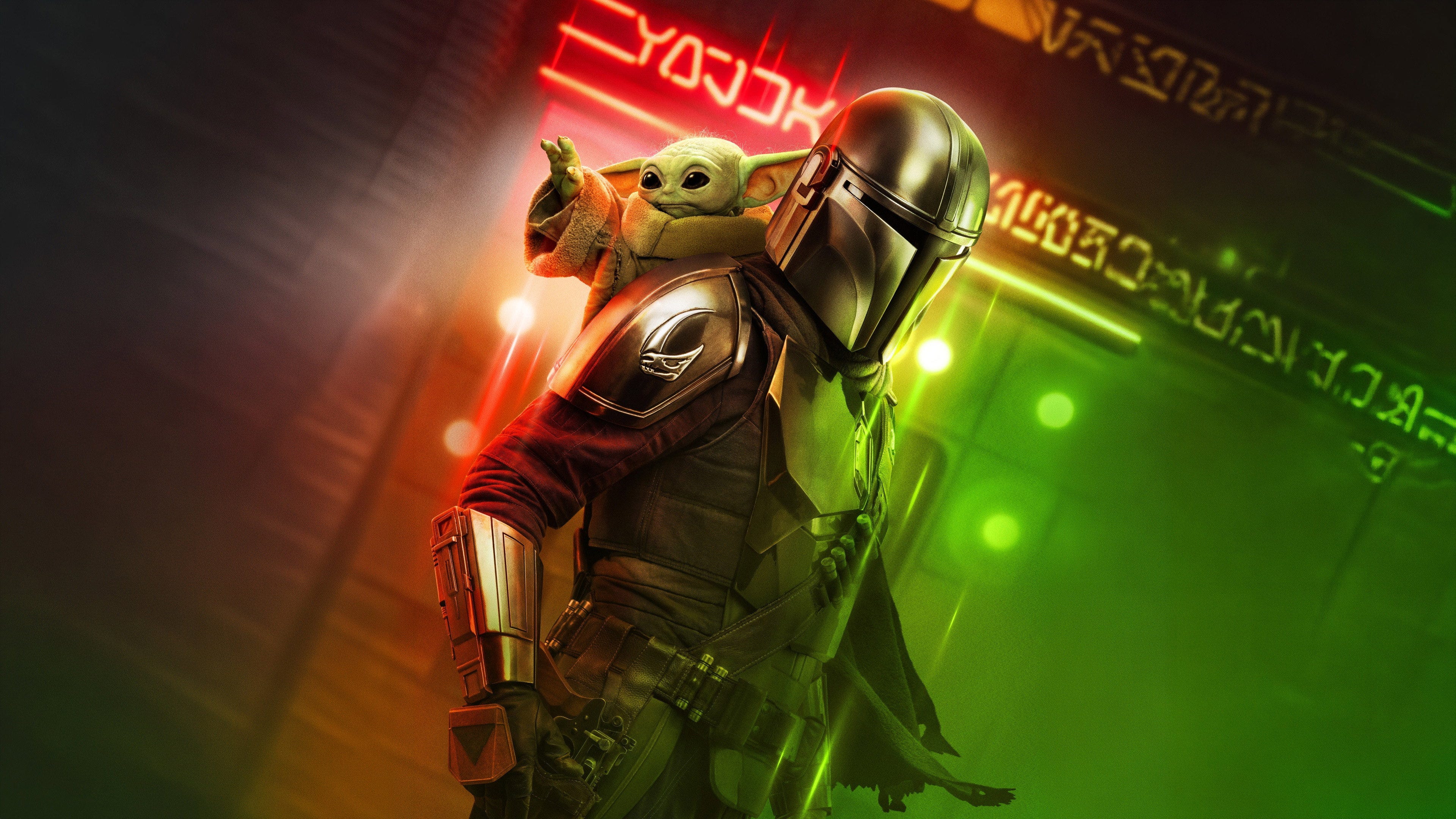
And as I argued in the MK2 piece when I was writing about Techno Syndrome, music is the emotional and cohesive glue of transmedia and brand universes. Sound bypasses conscious analysis to trigger instant feelings, which makes it the most flexible tool for real-world and digital lifestyle immersion you’ve got. MIDiA Research make the same point in a piece on transmedia storytelling: in fragmented digital markets, cross-platform storyworld music is vital for building what they call “fandom equity,” keeping an IP culturally relevant in spaces where a traditional cinematic campaign can’t reach.
Disney pushing Göransson’s theme into electronic sub-genres is exactly that play.
It’s good transmedia thinking. The question - and this is where it connects back to the pillar - is whether it’s making the case for cinema or just for the IP. And I think the honest answer is the second one. The Boys Noize remix is expanding the world of the franchise in audio form; it’s not doing the “you need to see this on an IMAX screen” job. Which brings us back to the same conclusion as everything else in this section.


The Spotify presence also extended the musical footprint further outside the trailer window and kept the film culturally present. Empire Magazine’s coverage went deep on the production and gave the kind of long-read access that core fans actually seek out and share. The BTS content from Favreau and Savage showed the creative intent behind the choices, which matters for the audience that wants to understand how it was made, not just what it looks like. And lastly, Grogu had a moment at the Oscars which was genuinely sweet; a quick, warm cultural cameo that reminded a very specific, influential audience that this thing was coming.
All good work. But none of it is specifically arguing that you need to be in a cinema rather than anywhere else. It’s doing cultural presence, not theatrical urgency, and those are different briefs.
Commercial Activation vs. Actually Building the World
As we already established, the film performed poorly, however as The Hollywood Reporter shared that was somewhat besides the point because:
“Disney continues to point out that Mando began its life on the small screen, so it is an entirely different proposition from previous titles in the Star Wars pantheon, and introduces new characters not tied to the saga movies or stand-alone features. The studio says the movie will drive significant value across the broader Disney ecosystem, including consumer products and Disney+. The Mandalorian is the most-watched original series in the history of the service, with more than 1.3 billion hours streamed globally. Star Wars attractions at Disney’s parks are also in on the action, including a new Mandalorian and Grogu mission within Millennium Falcon: Smugglers Run that debuted day-and-date with the film, a first-ever for the company. There is also a major integration with Fortnite.”
Therefore, whilst the theatrical campaign was meant to drive home and capture a moment that fans & audiences alike would have wanted to be a part of. The wider marketing strategy was not solely about getting bums in seats - doing so would’ve helped out a lot with these wider plans - but it was instead meant to drive value to the rest of the business and milk the IP for what it’s essentially worth.
Which is what this section is essentially about. Looking into whether Disney were focusing on hyper-commercial tie-ins that sell merchandise, or whether they were adding in additional transmedia layers that would’ve actually deepened the story, and reward the core fans keeping the IP alive.
Now, I’m sure you’re aware of how significant May the 4th is for Star Wars and the fandom; if you’re not as clued up it’s essentially a day celebrated by fans as Star Wars Day. An informal holiday originating from the iconic jedi phrase “May the force be with you,” becoming a clever play on words with “May the Fourth be with you.”
To say May the 4th this year was a cultural moment is to say the least, because it usually is every year! But, this time around here’s what I was able to pick up on: the official Star Wars Instagram post celebrating the day pulled 370k likes, with Meta, Hot Wheels, AT&T and more brands piling into the comments. Natalie Portman sharing an image from The Phantom Menace hit 900k likes. The Obama Presidential Center and Mark Hamill celebrating got 749k. Essentially, Disney know how to use their own cultural holidays, and they used this one well yet again.
But most of it was commercial celebration dressed as fan celebration. The exception - and it’s a genuinely good one - was the Galaxy’s Edge/Millennium Falcon: Smugglers Run announcement: “A new adventure awaits on Millennium Falcon: Smugglers Run, debuting May 22, 2026 at Star Wars: Galaxy’s Edge.” That’s different. That’s the park experience expanding the world of the film in a way that actually adds something to the story of what it means to engage with this IP. You can go and be in the world, not just consume it.
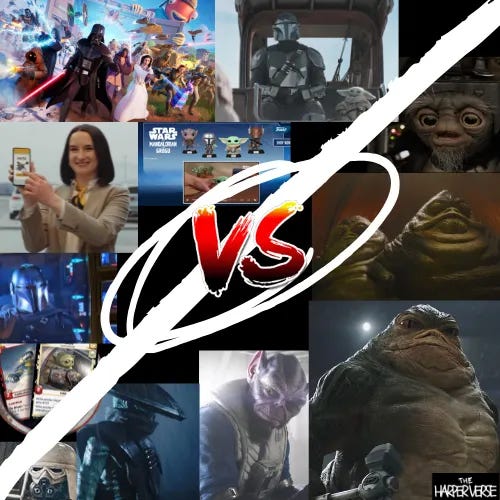
The Hertz partnership - “Space and adventure. The perfect pair” - was a fine commercial tie-in. The Rotten Tomatoes/Funko Pop homepage takeover that I screenshotted and added to the collage above is fine. The Miniso vinyl figures are genuinely well made and I understand entirely why hardcore fans will buy them. The Sideshow Life-Size Grogu is the kind of thing that exists because some people simply need to own it, and fair enough. None of this is wrong, but it is all doing one thing: monetising the characters rather than deepening the world they live in.
The interesting thing is that the film itself is doing a lot of genuine transmedia storytelling that the marketing barely touched. Rotta the Hutt - “Stinky” from The Clone Wars series, grown up - is central to the plot. Zeb Orrelios from Rebels shows up in live action in a meaningful way. Embo, a fan-favourite bounty hunter from Clone Wars, gets a live-action role that was clearly spotted immediately by people who knew who he was and produced genuine excitement in those circles. These aren’t Easter eggs, these are actual narrative bridges across a decade of Star Wars storytelling across multiple mediums.
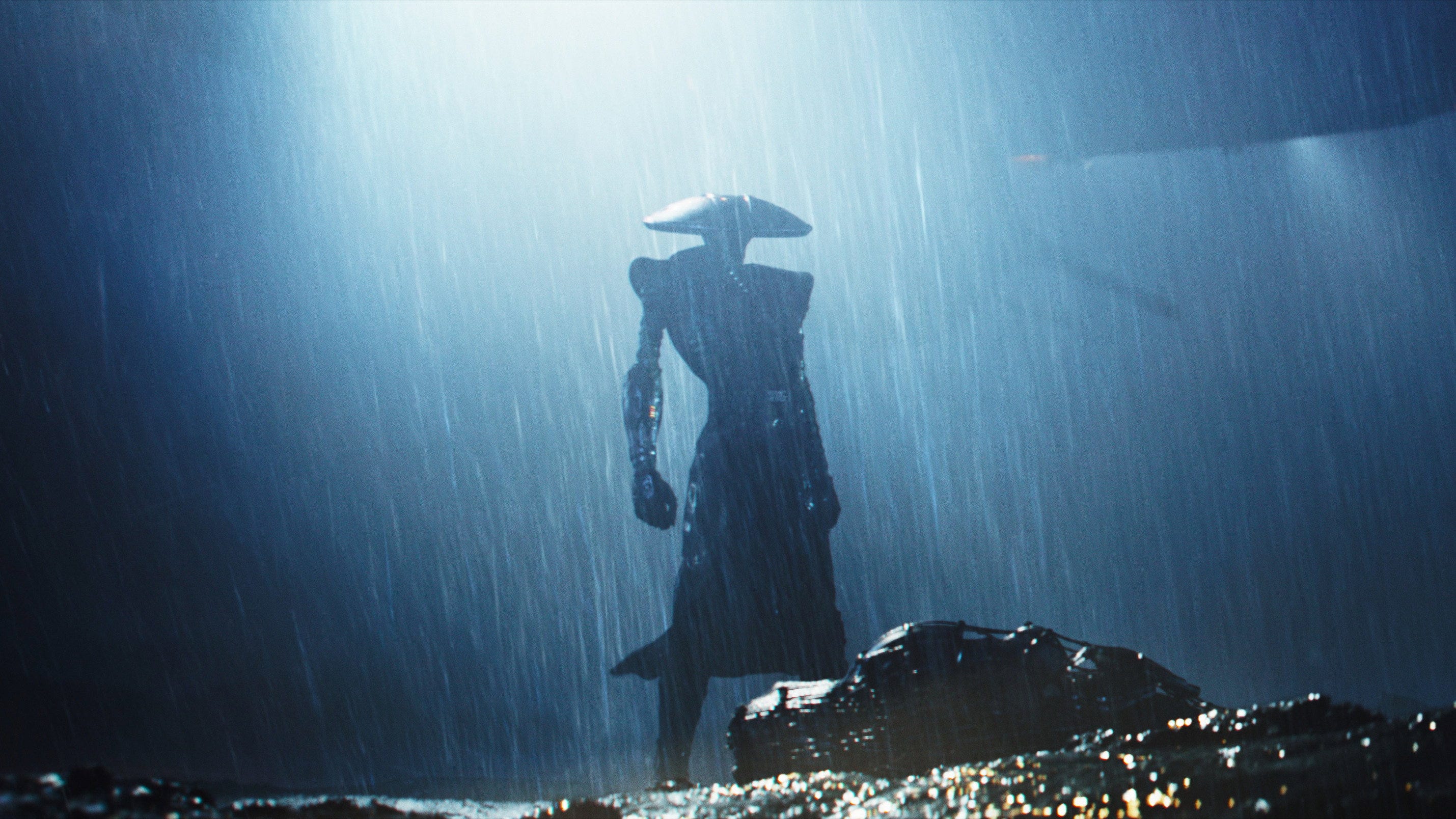
And the marketing didn’t really lean into them. I get it, to market those connections is to add homework to an already hard sell. If the casual audience sees “Embo from Clone Wars” in a trailer, the immediate question is “who?” and suddenly the film feels less like a standalone event and more like an assignment. The characters themselves are the star attraction for the wider audience; the lore is for the fans who already did the reading. That’s a real strategic call, and I’m not sure there’s one right answer.
But here’s what I think was left on the table: there were ways to bridge that gap without explicitly demanding homework. A Disney+ campaign highlighting pivotal episodes in a Mando-themed playlist - the Clone Wars episodes where Rotta or Embo appears, the Rebels episodes that set up Zeb’s live-action arc - could have quietly done the pre-watch work for casual audiences without making the film feel like an assignment. Small things honestly, but the kind that help audiences feel rewarded for going deeper rather than punished for not already knowing everything.
Because the challenge isn’t simply giving people more lore. It’s giving them context without making them feel like they’re revising for an exam before buying a cinema ticket.
And this is where things become interesting, because whilst the campaign struggled to surface some of those deeper narrative connections, it absolutely wasn’t short on broader transmedia thinking.
In fact, Fortnite might be the most interesting contradiction in the entire campaign because on paper it’s excellent transmedia strategy.
And I mean that genuinely.
There was a lot going on here beyond simply dropping a Mandalorian skin into a shop and calling it a day. Across May there was a rolling release of Star Wars content: account-link rewards, Clone Wars cosmetics, LEGO Fortnite integrations, dedicated experiences, Mando-themed content drops, a Jon Favreau Q&A, and even a watch-party environment built around the film itself. Players could explore Nevarro, complete quests, fight waves of Stormtroopers and even watch the opening ten minutes of The Mandalorian and Grogu inside Fortnite.
From a reach perspective, it’s difficult to argue with any of this.
Fortnite gives Disney younger audiences, enormous session times, social participation, repeat engagement and something traditional film campaigns dream about: people actively choosing to spend hours inside your world rather than briefly consuming an advert before moving on. Escape Vader was probably my favourite example because it genuinely worked. Vader felt scary, powerful and oppressive in a way that immediately made me think, “I’d actually play a full game of this.” Surprisingly, they one upped themselves with Escape Darth JarJar on June 12th for a limited time, that’s meme mentality right there.
And importantly, this isn’t just marketing anymore. It’s world participation.
You’re not watching Star Wars; you’re inside it and that’s what the fans really want.
But this is where I kept getting stuck, because the more I looked at it, the more I felt like it was quietly pulling against one of the campaign’s larger goals.
Throughout this entire article I’ve basically argued that Disney was trying to rebuild theatrical urgency; trying to recreate the feeling that Star Wars is an event you physically go and participate in. The Shoreditch café asks you to show up. The Times Square stunt asks you to show up. Disneyland asks you to show up.
Fortnite does the opposite.
Fortnite meets audiences where they already are.
And that sounds like a tiny distinction but I don’t think it is.
Because meeting audiences where they are and convincing audiences to come to you are fundamentally different behaviours. One reduces friction. The other creates intentionality.
Watching the first ten minutes of The Mandalorian and Grogu from your bedroom, on your monitor, sitting in your gaming chair while moving around a Fortnite island is immersive, clever and probably extremely effective for engagement metrics. Disney will almost certainly have hard data showing meaningful value here that I’ll never get access to.
But it still reinforces an at-home behaviour pattern.
It’s still saying: stay here, we’ll bring Star Wars to you.
And I don’t necessarily think that’s wrong. In fact, I’d argue it’s probably brilliant ecosystem strategy because Disney isn’t only trying to sell cinema tickets anymore; it’s trying to keep audiences inside a much larger Disney machine spanning games, streaming, merchandise and parks.
I just wonder whether there’s a larger question underneath all of this: can you simultaneously train audiences to expect entertainment to come to them while also asking them to get up, leave the house and treat certain releases as destination events?
Because those aren’t automatically the same habit.
And I think that tension quietly sits underneath this entire campaign.
Because Disney became exceptionally good at expanding where Star Wars can live.
The harder question is whether expanding where it lives is always the same thing as making people leave home to experience it.
What I Actually Thought
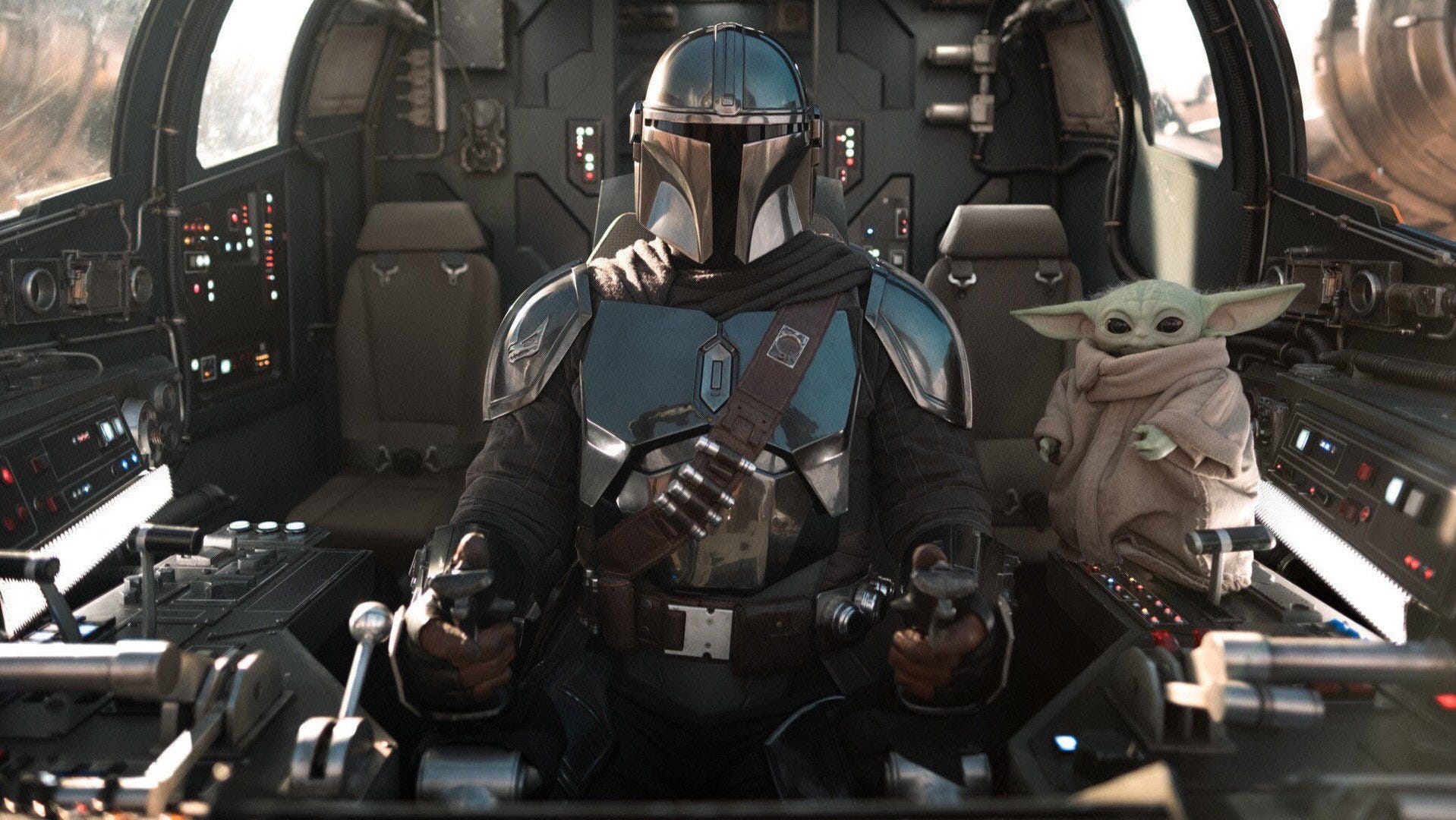
Interestingly, my own reaction ended up sitting fairly close to where broader audience sentiment eventually landed.
I had a really good time with it.
The introduction absolutely rips, there are some genuinely great action sequences, the creature work is fun, the score works, and the Mando/Grogu relationship remains the emotional core carrying everything forward. There’s a Batman Arkham-style energy to parts of the action that honestly made me leave wanting a Mandalorian game more than anything else.
But that lingering “so what?” feeling never fully disappeared either.
Because when you strip everything back, this is still a side story. It’s fun, self-contained and enjoyable, but it doesn’t really push the larger Star Wars universe forward in a way that feels urgent. And I think the audience response that gradually settled around the film - it’s fun, I’ll catch it on streaming - was probably a more accurate reflection of the film’s positioning problem than people initially wanted to admit.
The interesting thing is that this may not actually be a flaw at all. Filoni and Favreau increasingly seem to be building Star Wars through smaller anthology-style adventures filling in the timeline rather than traditional trilogy storytelling. Maybe these aren’t supposed to feel like The Force Awakens. Maybe they’re connective tissue, accumulating characters and stories until something larger eventually emerges.
That’s still a hunch. But if that’s the direction, then The Mandalorian and Grogu may end up making more sense in hindsight than it did in the moment.
What This Tells Us
A few things I keep coming back to:
The souvenir-spectacle approach - engineering location-specific, physically unrepeatable experiences rather than just scale - is genuinely worth stealing. The question for any campaign should shift from “how do we make a bigger billboard” to “how do we make something that only exists in a specific place at a specific time, and makes not-being-there feel like missing something.” The Shoreditch café and the Times Square stunt did that, albeit on different levels. More campaigns should do this deliberately rather than stumbling into it.
The character-acquisition trap is real. Using your broadest-appeal character to do your audience acquisition work is logical, but it recruits people whose expectation of the experience doesn’t always match what the film actually is. The smarter version is probably to use the broad character as the entry point, and then sell the film’s actual emotional register - the father-son stakes, the weight, the genre - alongside it. Get them looking with Grogu; close the ticket with Mando.
The IMAX situation is worth naming plainly rather than smoothing over. Losing premium screens early is a market verdict on whether the event-status work succeeded, and for this campaign it suggests the “unmissable cinematic event” argument didn’t fully land with enough of the right audience. That’s not a reflection of whether the film is good, it’s a reflection of whether the campaign cleared the specific hurdle it was set. And I think the honest answer is: partly, not fully.
The transmedia potential was genuinely underexploited. Rotta, Zeb, Embo, these in-film narrative bridges are extraordinary pieces of world-building for the audience that knows what they mean. The campaign choosing not to lean into them reflects a real strategic tension between depth and accessibility, and I’m not sure there’s one right answer to that, but it’s worth naming as a choice rather than an accident.
That’s The Harperverse breakdown of The Mandalorian and Grogu.
If this kind of breakdown is your thing - film marketing, transmedia storytelling, the business behind the stories - subscribe to The Harperverse.
The Harperverse is a free publication, if you want to support what I’m building here, a paid subscription is £4 a month, less than a coffee in London!
For related reading:
The Devil Wears Prada 2 • Daredevil: Born Again • The Hoppers Playbook • Fantastic Four: First Steps • Predator: Badlands • Project Hail Mary
~ most uncredited images will have been taken from the films TMDB page!
As someone who watched the first 4 films in theaters as well as the most recent 3, I've also never seen any Star Wars TV show because once the stories in that universe became bountiful, they also felt skippable. As such, I was never the target audience for Mandalorian and Grogu. But I can also confirm that none of the trailers I saw made me feel like this was an event movie worth making a go-to-the-theater exception for; they all felt very incidental. Which is, I think, a general flaw across Star Wars ever since Disney acquired it: the IP now feels like endless bloat with no meaningful stakes or cultural rarity. It's become the equivalent of white noise; if you need your Star Wars fix, you can see some flavor of it on any screen at any time. And I honestly think Disney is fine with this. They didn't buy an event property; they bought a perpetual entertainment commodity that they can now Mickey-fy into ubiquity, and it'll remain profitable long after everyone actually stops caring. 🤷🏻♂️