


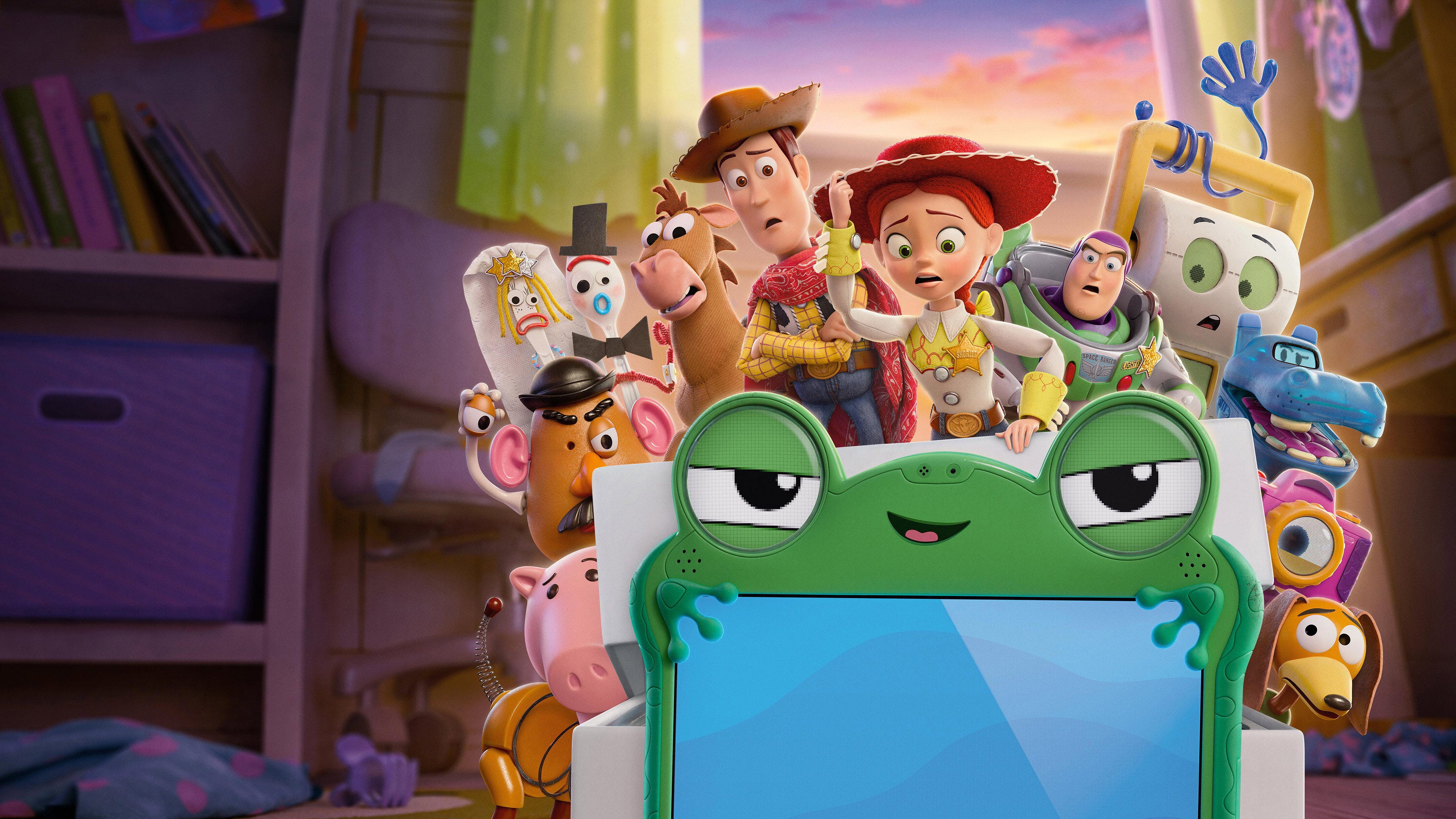
There are very few film franchises that can make the passage of time feel quite as tangible as Toy Story.
When the first film arrived in 1995, its central premise was wonderfully simple: what happens when the toys come to life once their owner leaves the room? Thirty years later, the question has changed somewhat. What happens when the child doesn’t need the toys to come alive anymore?
That is the rather brilliant starting point for Toy Story 5.
Pixar has taken a franchise built around the magic of childhood and placed it against one of the most recognisable realities of modern childhood: technology.
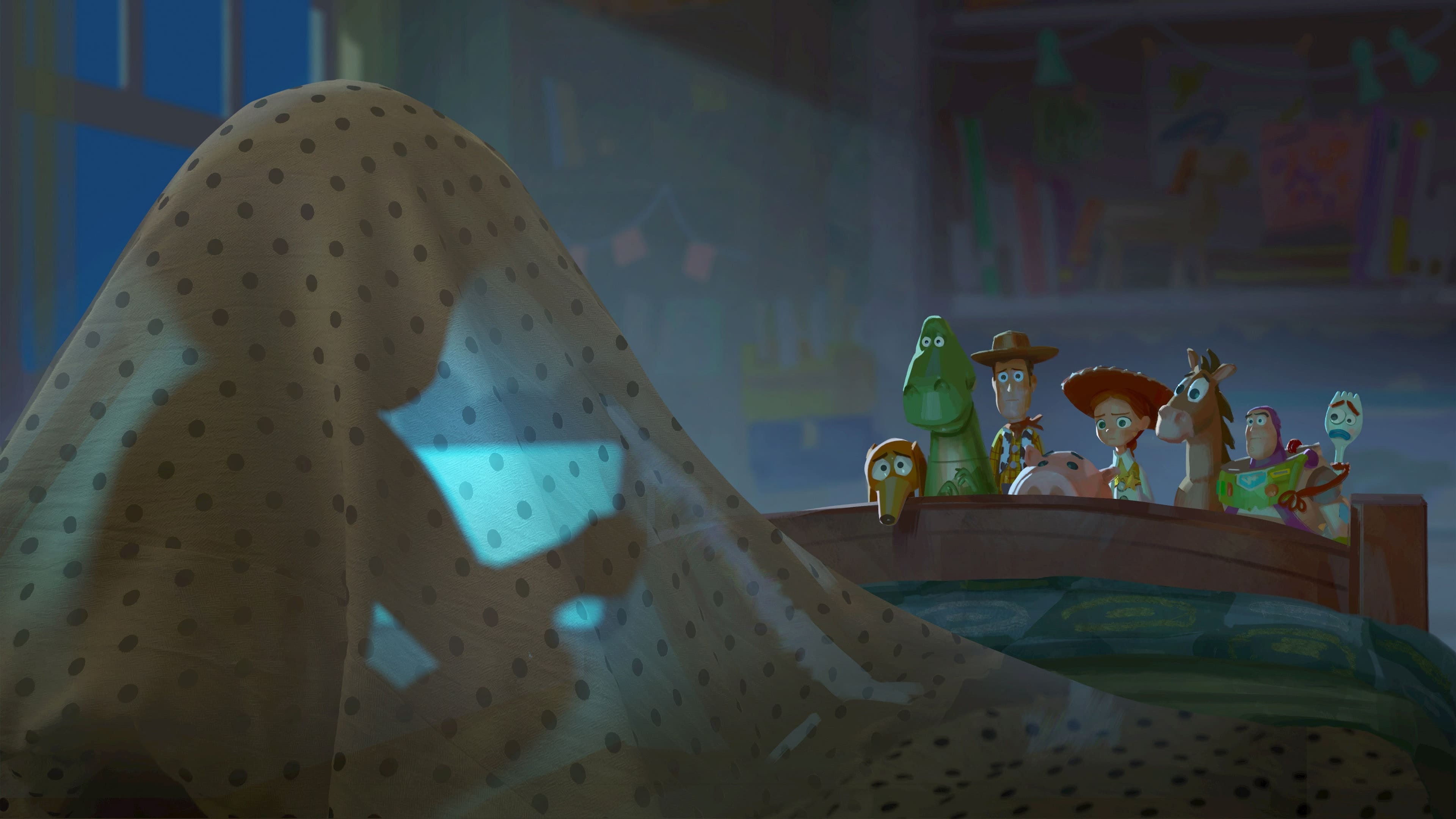
Bonnie is growing up in a world where screens are no longer some futuristic novelty but an ordinary part of everyday life, and Lilypad - a frog-shaped smart tablet - has arrived to compete with Woody, Buzz, Jessie and the rest of the gang for her attention.
On paper, it is almost suspiciously convenient.
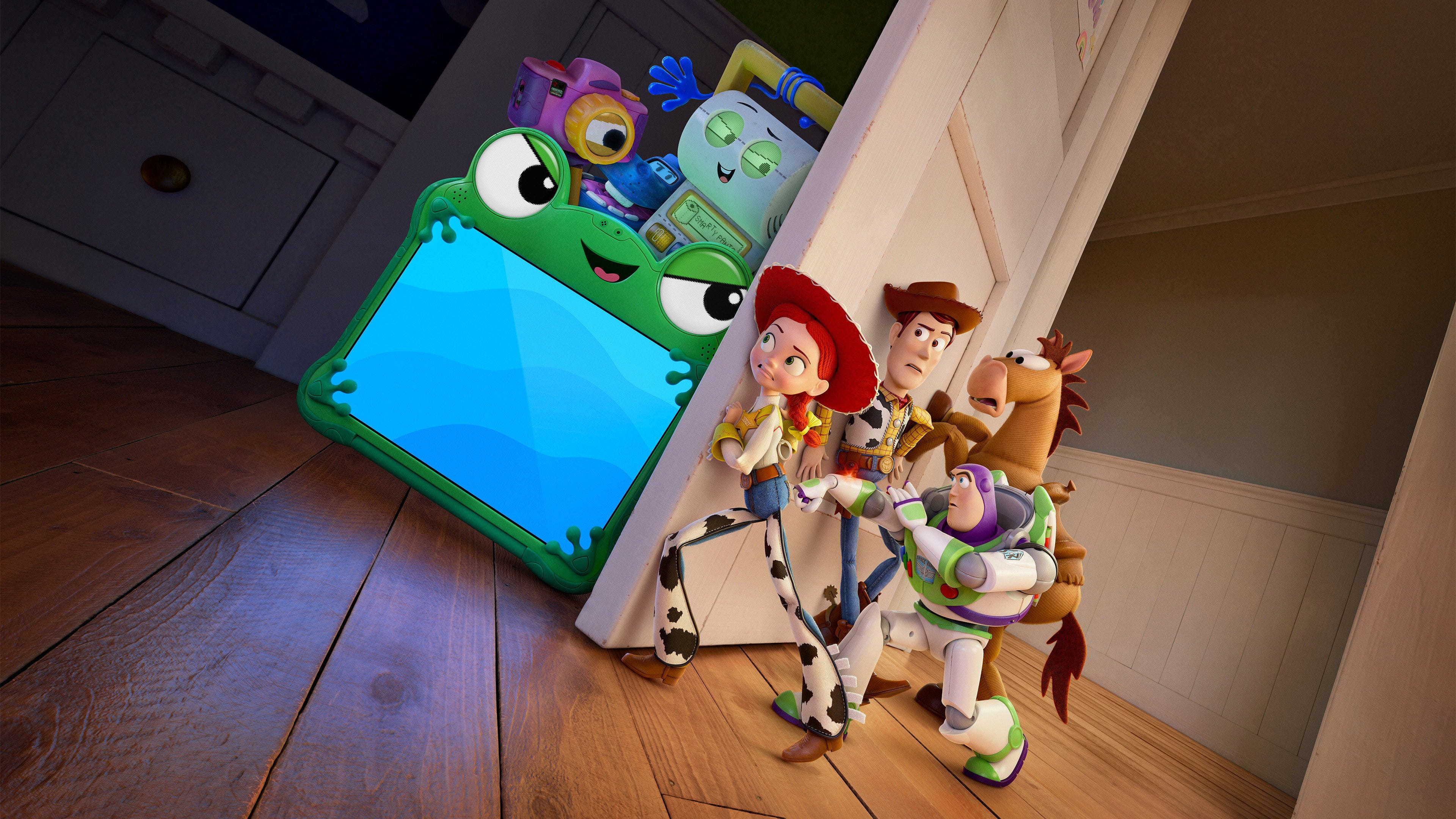
Toys versus tablets. The analogue childhood we remember versus the digital childhood we are watching emerge. A thirty-year-old franchise suddenly has a very contemporary problem to solve.
And that raises the first question I had about the campaign: does this actually feel like a problem families recognise, or does it feel like Pixar has grafted an issue-of-the-week onto some of its most beloved characters simply to justify bringing them back?
Because there is a very fine line between relevance and manufactured relevance.
The good news though, is that Toy Story 5 itself understands the distinction. The film isn’t really arguing that technology is bad, or that children should simply put the tablet down and return to playing with wooden toys. If anything, it lands somewhere much more sensible: technology is here to stay, but the way we use it matters.
Imagination, friendship and play still need room to exist alongside it.
That makes the premise considerably more interesting than “screens are ruining childhood”. It also gives the marketing a much bigger challenge.
Pixar isn’t simply trying to convince an audience that Toy Story still exists. Everyone knows that. It needs to convince an entire generation that grew up with Woody and Buzz to come back, while simultaneously making the franchise feel relevant to the children who are experiencing it for the first time.
That means selling nostalgia without making the film feel old.
It means introducing new characters without making the old ones feel disposable.
And, perhaps most importantly, it means turning a thirty-year-old piece of childhood into something that can be experienced by families together.
Because that is where I think the Toy Story 5 campaign gets particularly interesting.
Making Toy Story a Shared Experience Again
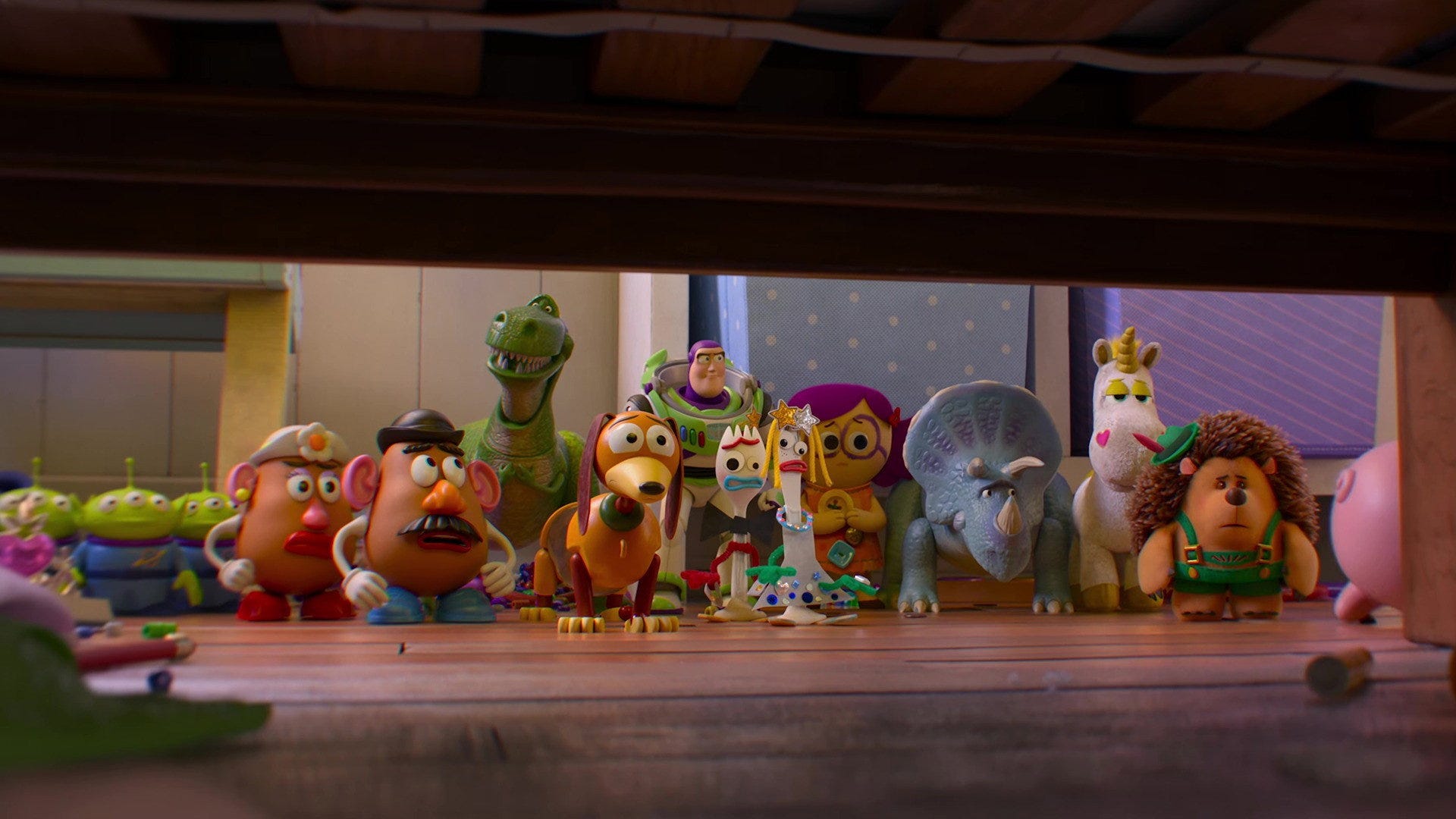
If the central tension of Toy Story 5 is between the toys of yesterday and the technology of today, then the marketing needed to find a space where those two generations could actually meet.
And rather than treating parents and children as two entirely separate audiences, much of the campaign seems to have understood that Toy Story works best when it is something families experience together.
That sounds obvious, but it is actually quite an important distinction.
A child might be the person asking to see Toy Story 5, but the parent is very likely to have a relationship with Woody, Buzz and Jessie that predates them. Remember, the first Toy Story came out in 1995. So, some of the parents taking their children to see the fifth film will have grown up with the franchise themselves. The opportunity, therefore, isn’t simply to sell the next Pixar film to a child. It is to create that slightly magical moment where a parent can say, “I remember watching this when I was your age.”


That is why the campaign’s use of traditional media caught my attention.
ITV’s interview with Tom Hanks around the idea that technology “robs kids of time“ is a fairly straightforward example, but it also places the film inside a conversation that parents are already having. Likewise, BBC Leicester’s story around Vinny - who went viral as a child in 2020 and, six years later, recreated the photograph and was invited to the Toy Story 5 red carpet - gives the campaign something much more valuable than another piece of cast coverage: a real-life reminder of just how quickly childhood changes.
It isn’t just here’s another Disney film you should see. Rather, the focus is on how much childhood can change in six years. That feels particularly appropriate for a franchise whose entire identity has always been built around the passage of childhood.
The same logic extends into entertainment media. Entertainment Weekly is an obvious home for a franchise with this much cultural history, while the campaign’s CTV and streaming activity provides another opportunity to put Toy Story 5 in front of families in environments where they are already consuming entertainment together.
The channel logic here is therefore less about any one platform and more about co-viewing. Parents and children don’t necessarily need to be convinced separately; the campaign can put Toy Story in the same room as both of them.

Even commercial radio starts to make more sense through this lens.
Pixar giving Capital presenters voice lines for characters, followed by the wider Capital Summer Time Ball takeover, could easily be dismissed as another brand partnership. And, frankly, some of the audience reaction proves that point, given there were comments questioning whether people had essentially paid to attend a concert only to be served an advertisement disguised as a performance.
But that misses something about the role of the activation.
Capital isn’t necessarily being used because its listeners are all desperate for more information about Toy Story 5. It is being used because radio is already embedded in everyday family life: in cars, at home, on the school run, and in those slightly mundane moments where parents and children are together.
That makes the characters part of the environment rather than simply another trailer interrupting it.
And the same principle becomes even more apparent when you look at the campaign’s relationship with music.
Enter Taylor Swift.
There are very few people you could introduce into the Toy Story universe who would immediately create this level of generational overlap.
Taylor Swift is obviously enormous in her own right, but what makes the collaboration strategically useful is that her audience isn’t confined to the children who might be discovering Toy Story today. There are parents who grew up with the franchise and have since grown up alongside Swift herself. There are younger audiences who have grown up with Swift while Toy Story has remained part of the cultural landscape around them.
Then Pixar goes one step further and gives Swift an original song connected to Jessie.
Suddenly, the collaboration isn’t just a celebrity endorsement bolted onto a film campaign. It becomes another piece of the Toy Story world.
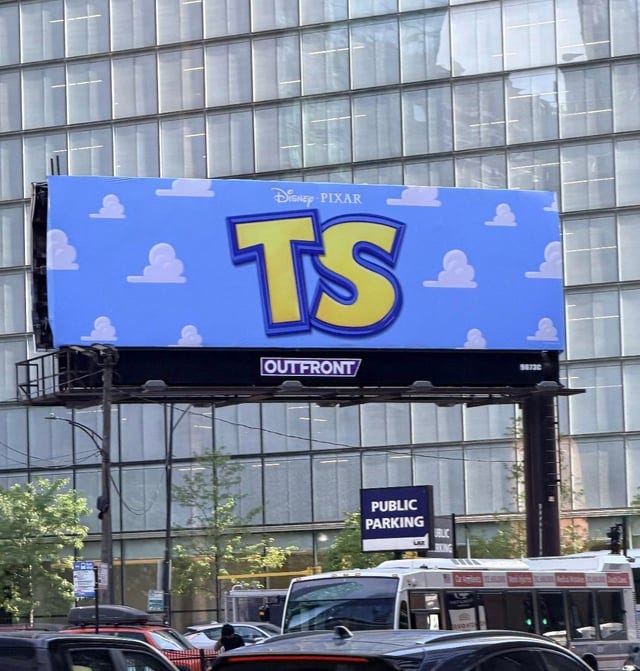
The reveal itself became a miniature campaign. Swift’s Instagram post exploded, fans immediately started investigating the clues, Pixar amplified the conversation, the mystery billboards fuelled speculation, and eventually the song - “I Knew It, I Knew You” - arrived as a genuine piece of Toy Story 5 content.
And I think this is where the campaign demonstrates something that becomes increasingly important as the film progresses: nostalgia is much more powerful when it is allowed to evolve.
Taylor Swift can be nostalgic for Toy Story too. She can literally position herself as someone who was a Toy Story kid. The franchise therefore isn’t being presented as something that belongs to a previous generation. It is being presented as something that has travelled with us.
That feels like the real opportunity behind Toy Story 5.
The film doesn’t need to pretend that childhood is still exactly what it was in 1995. It would be impossible. The entire premise acknowledges that it isn’t.
Instead, Pixar can say: look how much has changed and look how much still matters.
The toys have changed. The technology has changed. The way children discover entertainment has changed. The way families consume media has changed. Hell, the way we market films has changed.
But the fundamental desire to play, imagine, belong and create memories together hasn’t gone anywhere.
And that is why I think the strongest part of this first layer of the campaign isn’t any individual ITV appearance, radio partnership or Taylor Swift post.
It is the attempt to make Toy Story 5 feel like a shared cultural event.
The parent gets to revisit something they loved. The child gets to discover something new. And, ideally, both walk into the cinema with a slightly different reason for wanting to be there.
And this is only the beginning.
Because if the campaign’s first job was to put Toy Story 5 into the same cultural spaces as both generations, the next question is what happens when you take the toys out of the screen altogether.
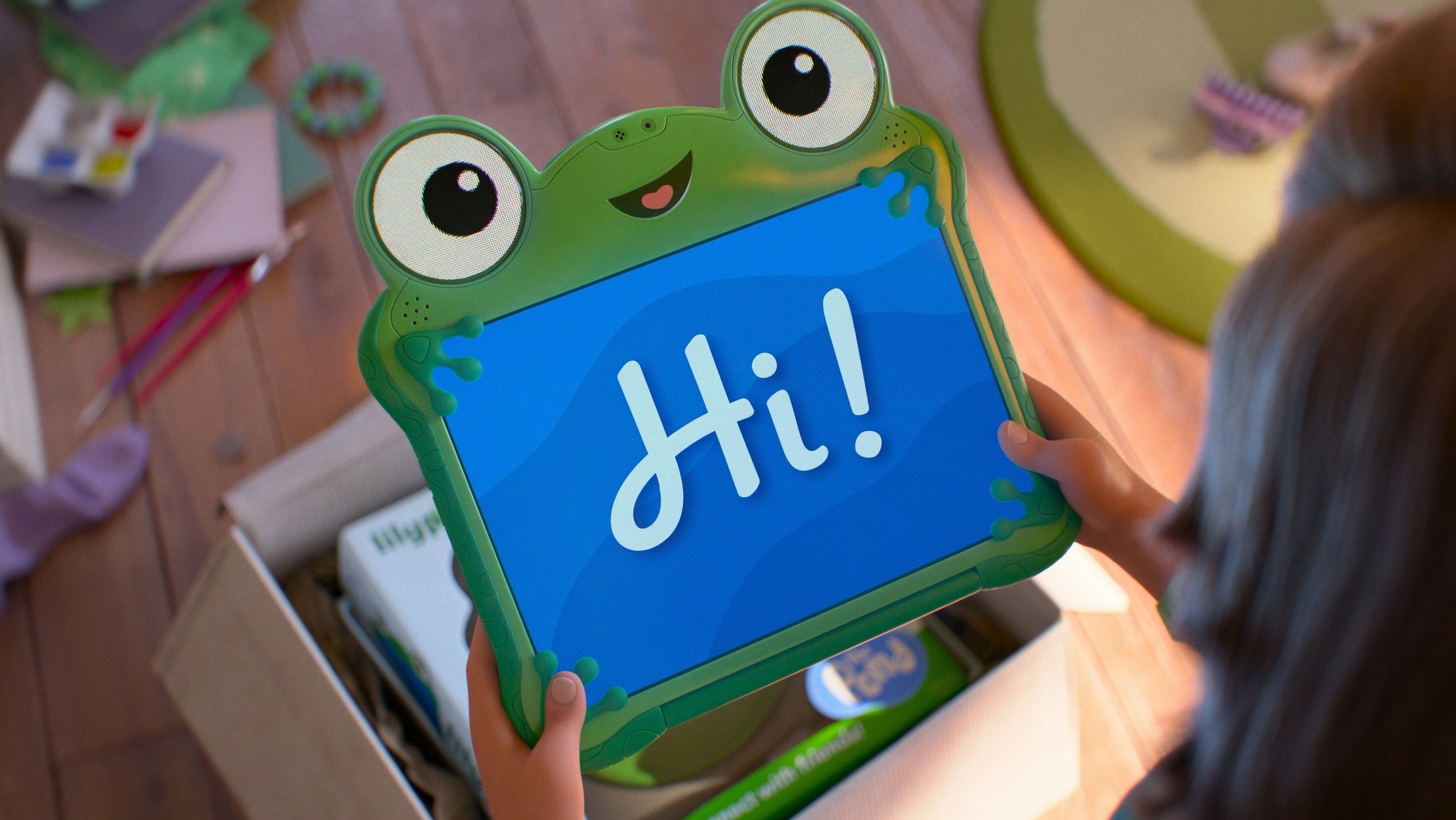
From shared media experience to shared physical experience
If the first half of this strategy was about putting Toy Story 5 into the places where parents and children already consume culture together, the next step was to quite literally put the toys in their way.
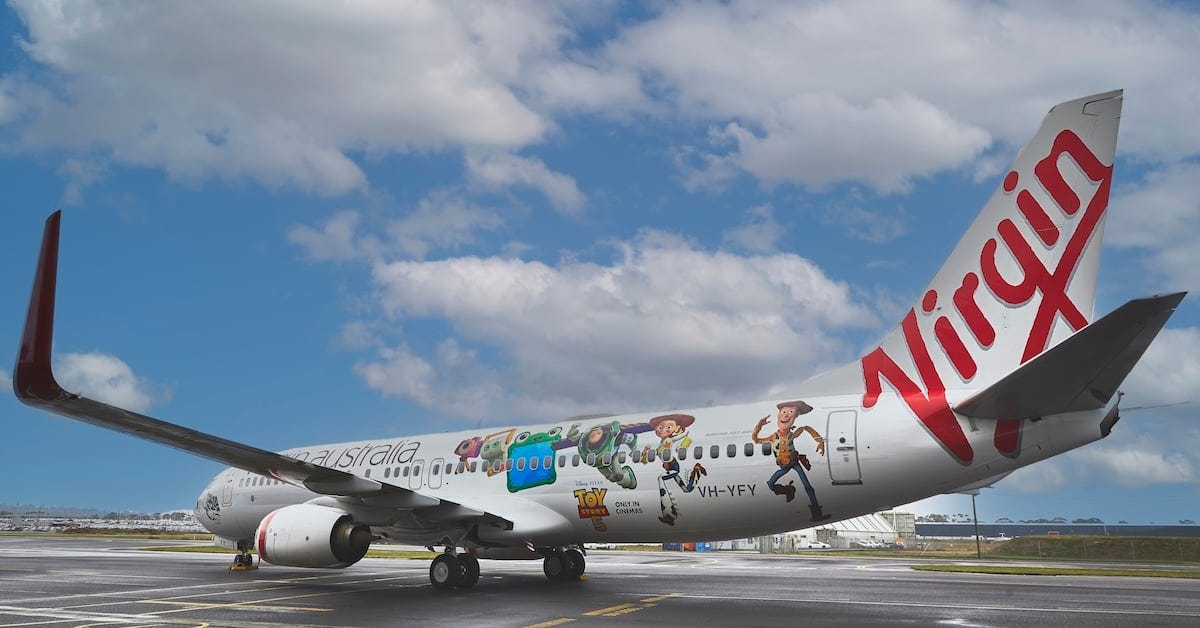
And this is where I think the scale of the campaign becomes much more apparent.
Wrapped aircraft from Virgin Australia and Alaska Airlines turned Toy Story 5 into something you could quite literally see taking off. There is even a lovely piece of content showing the Virgin plane alongside a toy version, which makes the execution feel almost self-aware: Toy Story has spent thirty years making us believe toys have lives of their own, and now the campaign has made a real aeroplane look like one.
It’s a small detail, but these are the kinds of executions I find most interesting because the medium itself becomes part of the idea.
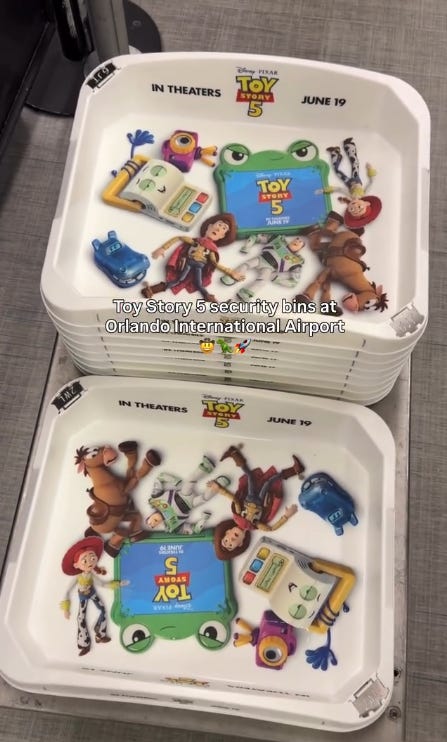
The same is true of the Orlando Airport security bins. There is nothing particularly exciting about airport security. If anything, it is one of the least magical parts of travelling. Yet suddenly, the place where you put your shoes, laptop and liquids becomes a Toy Story prop.
That is quite different from simply putting a poster in an airport, because instead the campaign goes that little bit further to make the environment itself feel like part of the film.


And that idea scales up considerably once you get into traditional OOH. Toy Story 5 appeared across Sunset Boulevard and Times Square, including a particularly nice connected LED execution at night, alongside placements across the New York Metro and LA Metro.
There is something important about seeing Toy Story occupying that kind of advertising real estate, given this isn’t a children’s-only property being tucked away into the spaces where children’s films are expected to live. It is being given the same visual prominence as the biggest films, brands and cultural moments in the world.
After thirty years, Pixar doesn’t need to tell us what Toy Story is. It needs to remind us that it still matters.
And perhaps nowhere is that more obvious than in the Taylor Swift billboards. What could have been a fairly conventional music tie-in instead becomes another layer of the same generational conversation: Jessie belongs to the Toy Story generation, Taylor belongs to the generation that grew up alongside it, and both are now occupying the same billboard.
The campaign is effectively using nostalgia as a form of cultural currency.
But it isn’t stopping there.
Bringing the toys into everyday life
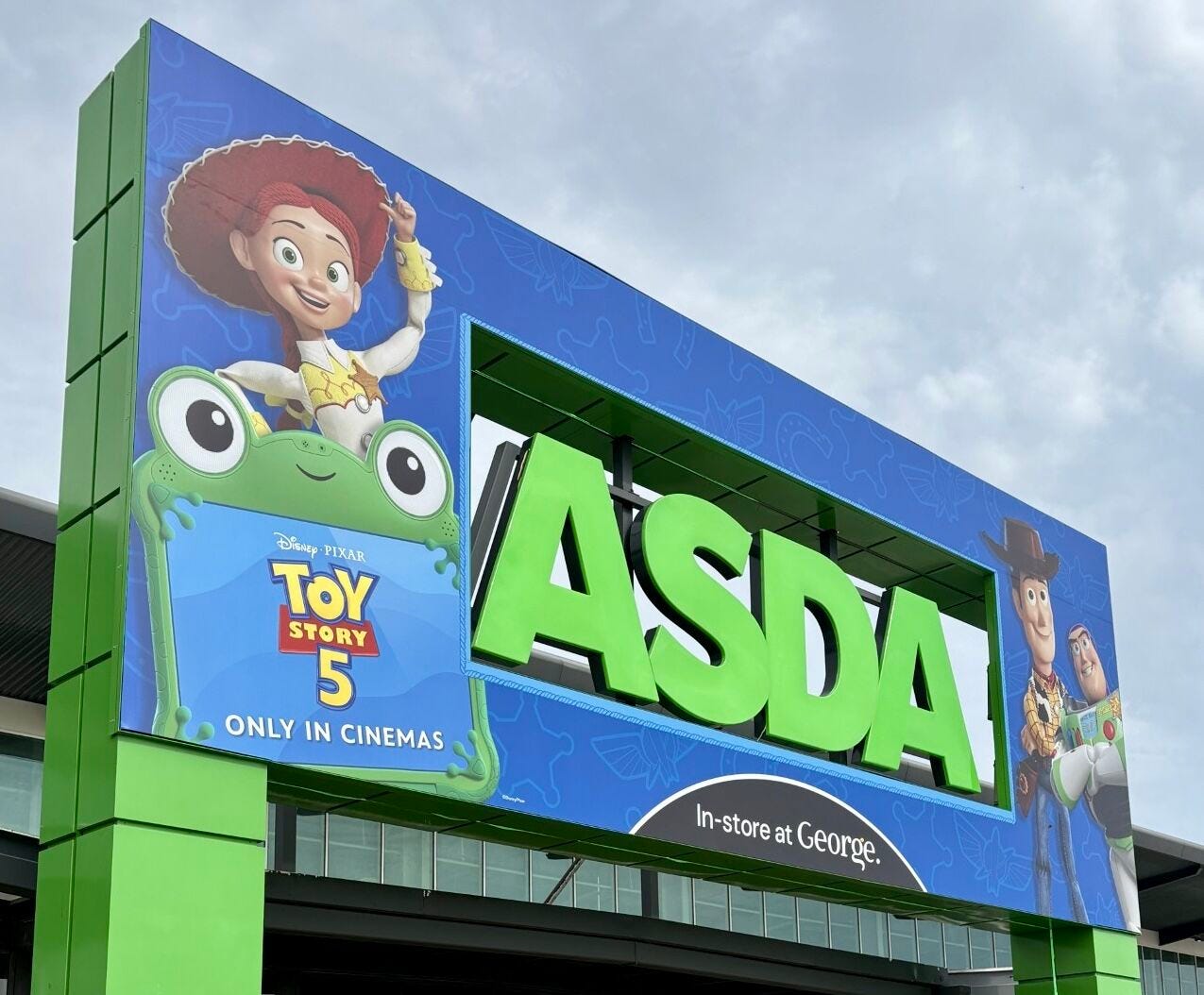
Retail is where this strategy becomes particularly tangible.
The George at Asda activation in Milton Keynes saw the store transformed with Woody, Buzz, Jessie and Lilypad across the exterior, while selected stores featured animated Toy Story content on digital screens. Inside, customers could enter a giant toy box for photographs, try toys from Mattel, LEGO and Simba, sample themed products and shop from a 182-piece Toy Story 5 collection.
This is where the campaign starts to feel less like advertising and more like world-building.
You aren’t simply telling a family that Toy Story 5 exists. You’re giving them somewhere to encounter it, something to interact with and, naturally, something to take home. That’s particularly fitting for a franchise whose entire emotional premise is that ordinary objects can become extraordinary when a child gives them meaning.
The campaign is essentially doing the same thing in reverse.
It is taking an ordinary supermarket and giving it a little bit of Toy Story magic.
The same thinking appears internationally, with Central Park Mall Jakarta hosting character meet-and-greets and immersive activations.
And then Pixar went properly literal at the world premiere.
Experiential Supply Co. created a giant interactive Lilypad for the premiere, turning one of the film’s newest characters into a physical object that audiences could actually stand beside and interact with. The sizzle reel makes the scale of it particularly clear.
Again, the interesting part isn’t simply that Pixar created a big photo opportunity. It’s that Lilypad has escaped the screen. A character whose entire purpose is to represent the intrusion of technology into childhood physically occupyies the same space as the people who came to see her story.
There is something almost wonderfully meta about that.
And the cinema itself becomes another canvas. Large-scale AMC paste-ups and vinyl executions turn the place where the film is ultimately consumed into another part of the campaign.
By this point, Toy Story 5 isn’t simply being advertised for the cinema.
The cinema is being turned into Toy Story.
Don’t just advertise culture. Join it.
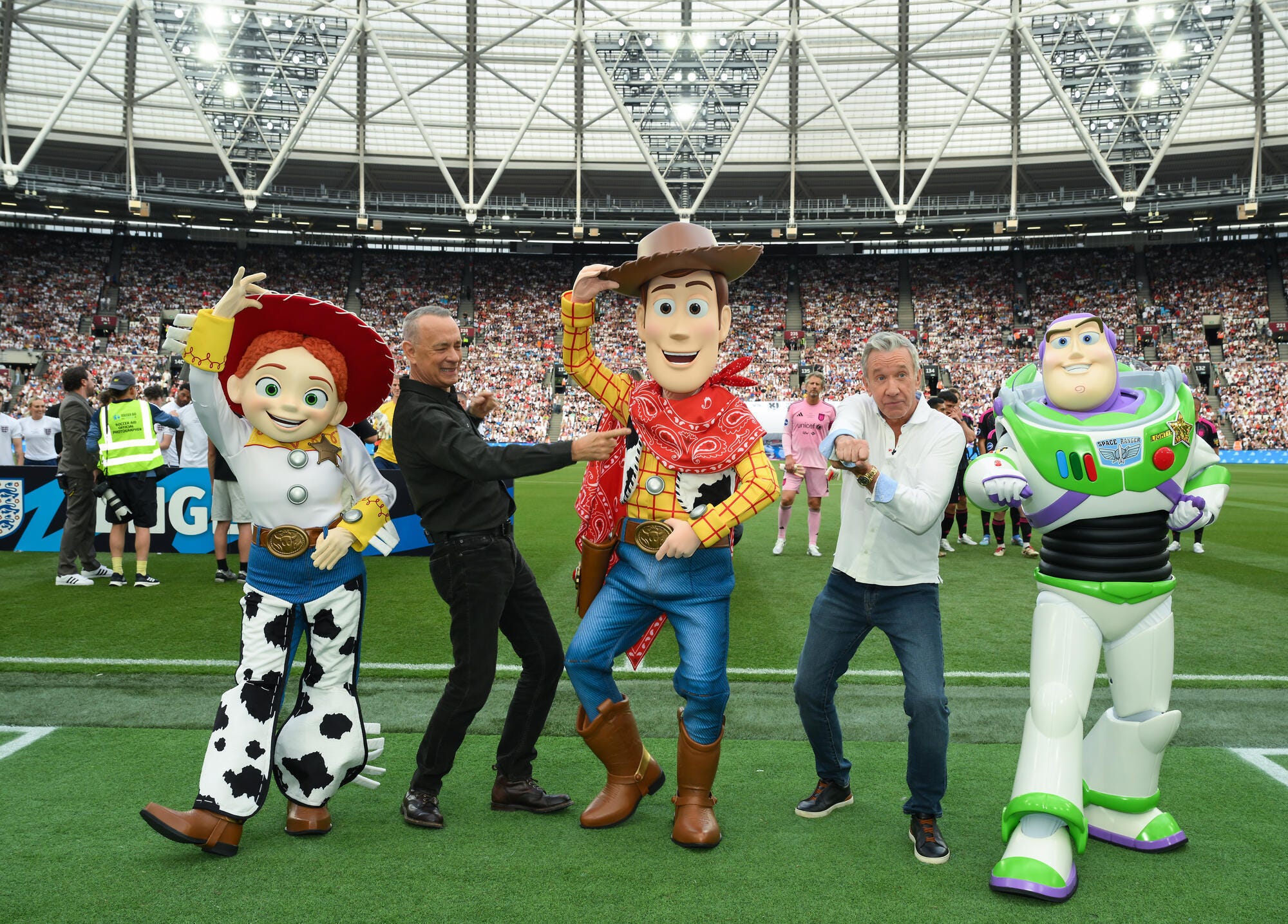
That principle is probably best demonstrated by Soccer Aid, because Disney and Pixar didn’t simply buy media around Soccer Aid. Instead, the campaign became part of the event itself.
There was a bespoke 90-second Toy Story video during the ITV broadcast, the characters appeared as part of the match-day experience, and Tom Hanks and Tim Allen eventually arrived on the pitch to help kick-start the game.
That progression is worth paying attention to.
First, Toy Story is advertising around culture. Then, it is participating in culture. Finally, the characters and their actors become part of something that audiences were already there to watch.
That’s a much more valuable position for an entertainment brand than simply interrupting someone’s viewing experience with another trailer.
It also gives the franchise access to an audience that isn’t necessarily thinking about animated films at all.
You’re watching football.
Then Woody, Buzz and Jessie turn up.
The marketing doesn’t have to convince you to enter the world of Toy Story because, for a moment, it has brought that world into yours.
And then Disney starts pulling the bigger levers
This is where I think Toy Story 5 provides a particularly useful glimpse into the machinery Disney has at its disposal.
The ESPN “We’re Going” campaign took the franchise into ESPN’s year-long build towards Super Bowl LXI, with Toy Story 5.5 turning ESPN personalities into action figures and sending them on a journey to Los Angeles alongside Woody, Buzz and the gang.
And this is where the campaign starts to become much bigger than the film itself, because The Walt Disney Company isn’t operating with film marketing as a neat little box.
It has Pixar. It has Disney+. It has Disney Music. It has ABC. It has ESPN. It has retail. It has parks. It has live events. It has talent. It has advertising infrastructure.
And Toy Story can move between all of them.
That is an extraordinary advantage for an IP that has existed for three decades.
The Super Bowl activity is particularly interesting because it isn’t simply a case of buying one enormous media slot and hoping for the best. ESPN describes the wider “Year of the Super Bowl” as a year-long initiative connecting Disney, ESPN and the NFL across multiple platforms and marquee moments.
Toy Story therefore becomes another character in a much larger Disney ecosystem.
And that, I think, brings us back to the generational mirror.
A parent might remember buying a Toy Story VHS → Their child might know the characters from Disney+ → They might hear the new song on Spotify → They might see Woody on the way through an airport → They might encounter Lilypad in a shopping centre → They might watch the characters on ITV during Soccer Aid → They might see them on a wrapped plane → They might walk into a cinema covered in Toy Story.
And somewhere in all of that, the same franchise keeps appearing; not as a relic of the parent’s childhood, but as something that has successfully inserted itself into the child’s world too.
That is what makes this first pillar work for me.
The campaign isn’t simply trying to reach two generations, it’s repeatedly trying to put those generations in the same place.
The parent gets the nostalgia. The child gets the discovery. And Toy Story gets to become the thing they share.


Which brings us to the slightly uncomfortable question underneath all of this.
If Pixar has spent so much of the campaign proving that Toy Story can still belong in the modern world, what exactly is it asking that modern world to care about?
Because making an old franchise feel present is one challenge.
Making its new conflict feel necessary is another entirely.
Can playtime be refreshed?
Whilst all the pillars are pretty essential to this overall breakdown, this one has the most interesting channel tension in the whole brief; Disney & Pixar marketing an “anti-screen” film through screens. Specifically through social media platforms like TikTok, which is arguably the most addictive screen platform currently aimed at children; now whilst TikTok will argue it’s not aimed at children, if we go by recent news relating to social media bans for children, it’s evident that there are a lot of youngsters spending time on TikTok - both consuming and creating their own content. Whilst this isn’t exclusive to TikTok, other more recent news suggests it’s the mainstay for reaching a younger demographic: “The Walt Disney Company and TikTok Announce a First-of-its-Kind Global Short-Form Content-Sharing Deal.”
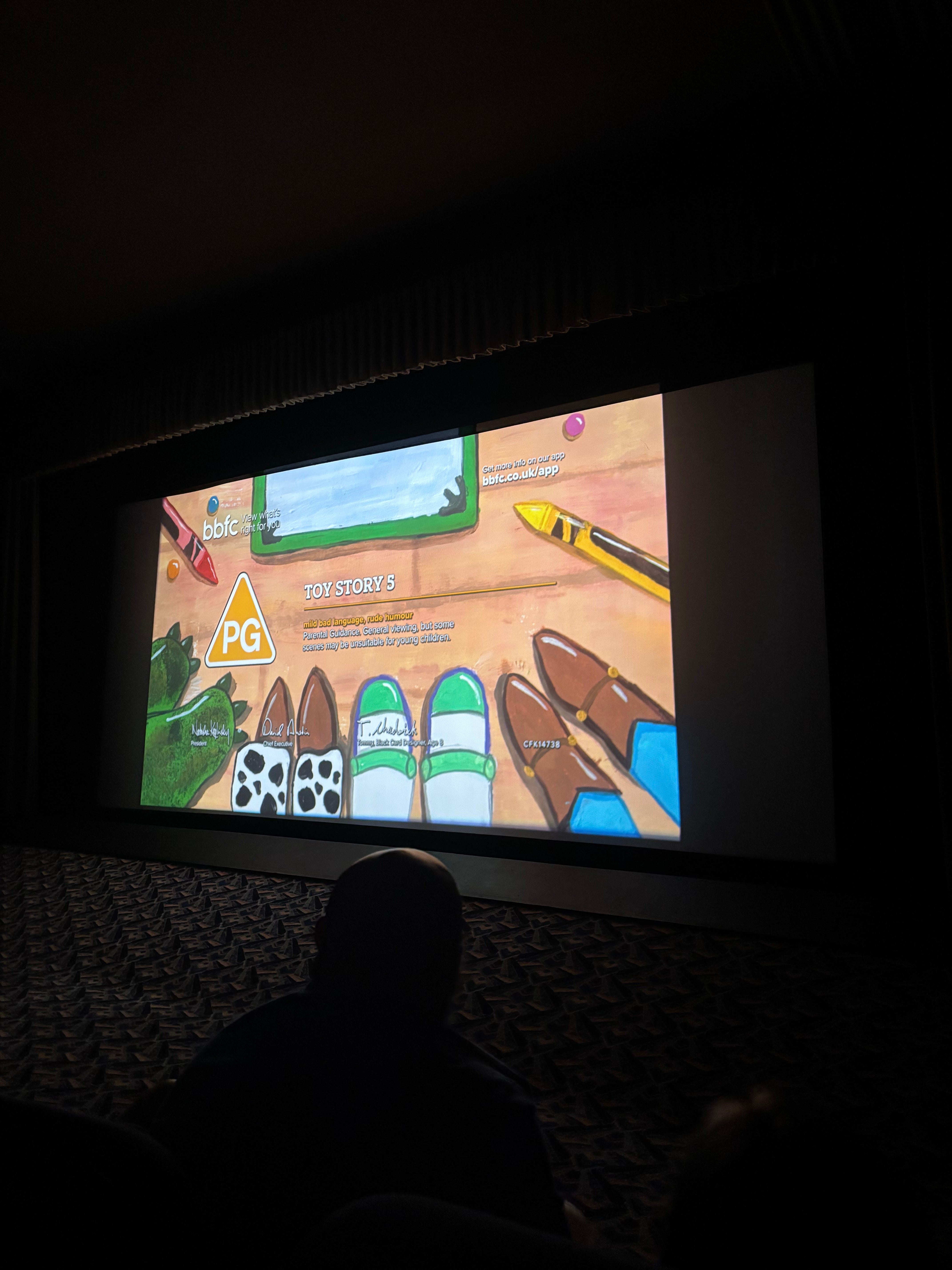
Another example of actively trying to resolve the anti-screen-and-play contradiction is a physical, imagination-led mechanic: the BBFC card competition. I didn’t include it in my Superman post, and it’s the last campaign I remember digging into this competition for. The reason I looked into this is two-fold - one, I had no idea what the significance of the BBFC actually was beforehand, and second, I learnt that in the case of Superman, if the movie could get a PG rating in the UK (given the BBFC decides whether the language, sexual and violent content is mild enough for a younger audience), it’d become the best-case scenario for the UK release in particular, because a PG rating meant the campaign would have a much easier time attracting families to the cinema. In actuality, Superman was rated 12A, which is still great for reaching a younger audience whose parents can decide for them.
In the case of Toy Story 5 though, this didn’t matter too much because the BBFC gave it a PG rating, which is excellent, because the film could then be shown to and reach a much younger audience. Children again wouldn’t be the primary target audience, but they’d be just as essential to get the message to, given they have that pest to power. As the social media post I linked above indicates, the primary target audience to me reads as parents with kids aged 4–11 (maybe with an added interest in Toy Story/Disney/Pixar/animation for extra accuracy), given they included this in their caption: “We’re calling on young artists aged 4 to 11 to come to the rescue to design the official BBFC Black Card.”
Now, before I lose myself in the sauce of the BBFC, let me just clarify the significance of this being part of the campaign. Outside of literally making it so “the winning artwork will be shown ahead of every cinema screening of Toy Story 5 in the UK 🪀✨,” it’s an opportunity for younger children to be encouraged to be creative; removing the screens for a moment by encouraging them with an initiative that just asks them to draw their favourite characters. It’s not really about winning a medal in essence. It’s more of an opportunity to explore what childlike wonder and imagination can add to the already-existing story, and to ask to see that same IP through their eyes.
Everything else in this pillar, by comparison, relates back to social media, which arguably deepens the irony of screen time rather than answering it, because as you’ll notice, the next few examples are all taken directly from social media, where, as you can imagine, I had to spend a fair bit of time just consuming to even get the examples in the first place.
However, as is the case with marketing and advertising generally, when you want to reach an audience of parents - or really anyone else for that matter - social media usually over-indexes and shows up as a predominant channel; sitting within the wider range of channels like TV, OOH and radio, but for pretty much every single audience I look at, it’s in the top five without fail. In essence: social media is here to stay, the average person uses it heavily throughout their day for a plethora of reasons, and it’s cost-effective for reaching your audience and drives results if you’ve got good creative, targeting and know how to optimise it.
Now that you’ve had a short crash course in why social media, and why so much of it, here are a few examples I thought were worth noting down, and why.
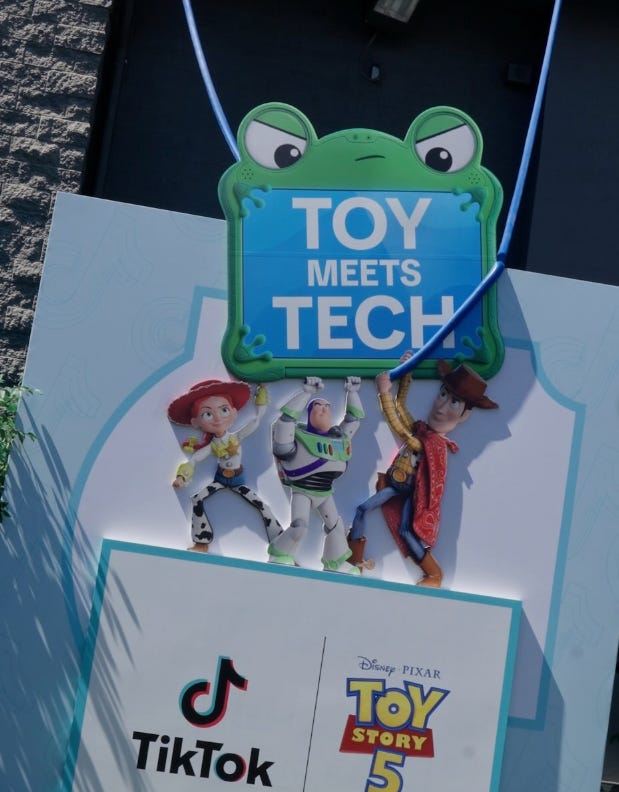
There was a proper in-person “Toy Meets Tech” TikTok event, the kind of thing that’s clearly built with influencers in mind, and the carousel from it tags a rotating cast of brand partners I’ll come back to shortly. Around the same time there’s a video literally titled “It’s Toys vs Tech, the battle is on,” which I find interesting, because I sat through a BFI panel with Andrew Stanton where I’m told there are “no villains” in this film; yet here’s a piece of official content leaning hard into “the age of toys is over” as a gimmick. Make of that what you will!


Then there’s the red-carpet launch, which streamed on Disney+ under that same “it’s toys vs tech” framing, and honestly, the only reason I flagged this one is the SVOD tie-in. I genuinely don’t know how often Disney live-streams its own red carpets on Disney+, so that alone made it worth a note.
Ladbible ran a nice bit of ‘earned’ PR too: first look at Bullseye’s “Evil Play Time,” and Alan Cumming voicing the horse for the first time. Classic earned coverage, but I liked that Ladbible actually co-posted it with Alan Cumming’s own account rather than just running it solo.
Then Walt Disney World had Joan Cusack visiting Jessie’s Roundup, co-posted across the Walt Disney World, D23 and Disney Parks accounts, and wrapped into the “Cool Kids Summer” parks initiative. I’m a total sucker for synergy, and this is a great example of it; you’ve got the parks, the IP, the film and the cast all pointed at each other, each serving its own goal while still reinforcing the others. One message says “Cool Kids Summer,” the other says “in theatres,” and both land.
Now here’s the one that actually stopped me scrolling. Someone in the US has wrapped their own car to look exactly like the Pizza Planet truck, Buzz and Woody hanging off the back and everything. Someone else has of course filmed and posted it with zero affiliation to Disney, Pixar or Toy Story.
When I first saw it, it sat at 2.3 million likes, but revisiting it months later for this piece, it’s sitting at 4.1 million. And in the comments, the account who posted it asks those reacting to share it: “everyone, thank you very much for the visibility and likes on the video. I would like some help from all of you to tag @disney @toystory @pixar so that this video reaches them.” That, to me, reads as a genuinely missed opportunity.
You’ve got an adult who owns a car that looks exactly like the one from your IP, it’s gone viral completely organically, so why not run a competition off the back of it, or partner with an actual car brand - say Toyota- and get a small fleet of these things onto real roads? It’d cost more upfront than just letting it happen organically, sure, but it’s essentially the same instinct as the 501st Legion fan organisation, just on wheels. Look at me giving out free ideas, lol. This isn’t even that far-fetched, because - small spoiler for what’s coming later - Disney and Pixar did go on to pull off exactly this kind of real-world partnership with Papa John’s, who launched actual Pizza Planet pop-ups to celebrate the release.
Now back to what did happen, there’s also a straightforward “turn your tablet into Lilypad“ partnership, which - and I say this with love - completely undercuts the toys-vs-tech message they’ve spent the whole campaign building. Its got over 135k likes, so clearly nobody minds all that much. Having now seen the film, the actual resolution is that digital devices and classic toys can coexist and help kids build real friendships, so this is really just an adjacent bit of merch selling a bit of immersion. If you want a Lilypad tablet skin, hey, who am I to judge it is kind of cool.
Then there’s “Disney Download,” which genuinely had me confused the first time I saw it. I thought it was some brand-new format from Disney UK covering Disney news, though I’ve since noticed more of these in my feed and I’m honestly not sure when they started. Digging around, I think it began on April 17th. It functions as a kind of all-in-one bulletin, which I love, because creators already make a living recapping Disney news for people, so why wouldn’t Disney just do that themselves? The example I found flagged Hercules’ themed 5K Toga Run in July, which I otherwise would never have known about. Makes you wonder whether that’s worth doing with your own films, your own products, your own work more broadly - I mean, owning the recap of your own news rather than leaving it entirely to creators.
Disney Spain was doing something similar but locally: a native, disruption-style Instagram video speaking directly to a Spanish audience. I like flagging these wherever I find them, because I work on a global basis myself, and while it’s genuinely hard to know every market’s nuance, the one rule that never changes is that you talk to people in their own language and their own formats.
Sticking with the purely native stuff, there’s a TikTok of the toys dancing the second Bonnie leaves the room, and one comment nails exactly why it works: “I love how Pixar may be hiring animators that only make TikToks.” Now if I’m honest, it’s not really a transmedia layer, it’s just IP-native social content, but it’s Disney and Pixar showing off, and the characters range from the actual core cast all the way to Bad Bunny’s Pizza, lol.
Tony Hale - Forky - got taken on an actual honeymoon at Walt Disney World with Knifey, since the two of them officially get married in this one. It’s another park-and-theatrical synergy post, but a nice one: you get the Cutlery-fan payoff of the pair together, it cuts to Tony Hale himself wandering the actual park taking photos of them with his own Lilypad, and then the toys scale up to full size across the various Toy Story rides. Synergy, again.
There’s also a very simple “move your thumb to the beat“ video. 483k likes for something that basic, which still leans on the characters being reanimated for the format, as one Aspen Animation comment put it: “it’s crazy to see Pixar adopt Instagram trends to promote their movies 👀 we’re in a new era.” Popculturebrain also did his usual “first reactions are in and they’re wild” round-up too, which - I’ll be honest - I have a lot of respect for. I’d genuinely love to put together content like that myself one day, but right now I’m just about at capacity.
Big Screen Berkan, another creator I follow closely, shared his Toy Story 5 PR merch package; simple unboxing, but a useful one if you’re after real examples of influencer PR in the wild, since it shows exactly what studios are sending, and to whom.
And then there’s tims.eye on Instagram, who projection-maps his own front door so it looks like a portal straight into Andy’s bedroom. The toys then just walk through it into the real world, which, I know, what does that even mean outside of 2M likes, lol. There’s clearly a lot of editing and probably AI involved, and he’s done the same trick for other IP too - Cars, Roblox, Scream, the lot - which makes me wonder what Disney and Pixar’s actual guidelines are here, because this one might toe the line more than most. It’s sitting at 2.7 million likes and doesn’t paint the characters in a bad light at all, so it’s worth thinking about as creators keep leaning on AI to work with IP they don’t own.
Last one: “Game on!“, which drops the toys-vs-tech framing into a basketball setting to tap the ESPN-adjacent sports audience; they’re tagged though, so not directly linked to an ESPN account. I can only imagine the animators looking at that brief were like what is this for, this wasn’t in the storyboard, lol!
Now, I really didn’t mean for this section to run this long - I’ll try to keep the next one tighter, no promises though ;) - but I think this pillar touches on something genuinely important for the wider marketing puzzle.
Disney is learning, and leaning hard, on social media. There’s a real lesson here about self-coverage, about leaning into UGC rather than ignoring it, about integrating your characters and IP into native formats, about pre-planning the content your animators and cast will actually need to produce, and about adapting to how modern audiences actually behave.
None of this was also really about targeting kids directly, but kids spend just as much time in these spaces as anyone else, so if you’re putting out quality organic content, you’ll land in their feed regardless.
I could’ve gone into the paid ads and influencer strategy properly too, but it’s nowhere near as interesting as what’s above, and I didn’t save examples as I went along; though the ad library will very likely still have them if you go digging. Paid social is still hugely important and cost-effective, so don’t take any of this as “don’t bother,” what I am saying though, is that modern audiences have gotten very good at ignoring ads, and if you actually want to reach them, you need to adapt, you need to educate a bit, and - maybe most importantly - you need to entertain them first.
Sounds strange, needing to entertain someone before you even get the chance to sit them down and entertain them properly with the actual film. But that’s the game now. It stopped being “social media” a while ago. It’s interest, and it’s fandom now.
In support of that whole self-coverage point, Pixar announced back on the 19th of April that they’d be dropping new products and collabs all week, which brings me perfectly onto my next pillar…
Commercialising Play (the credibility guardrail)
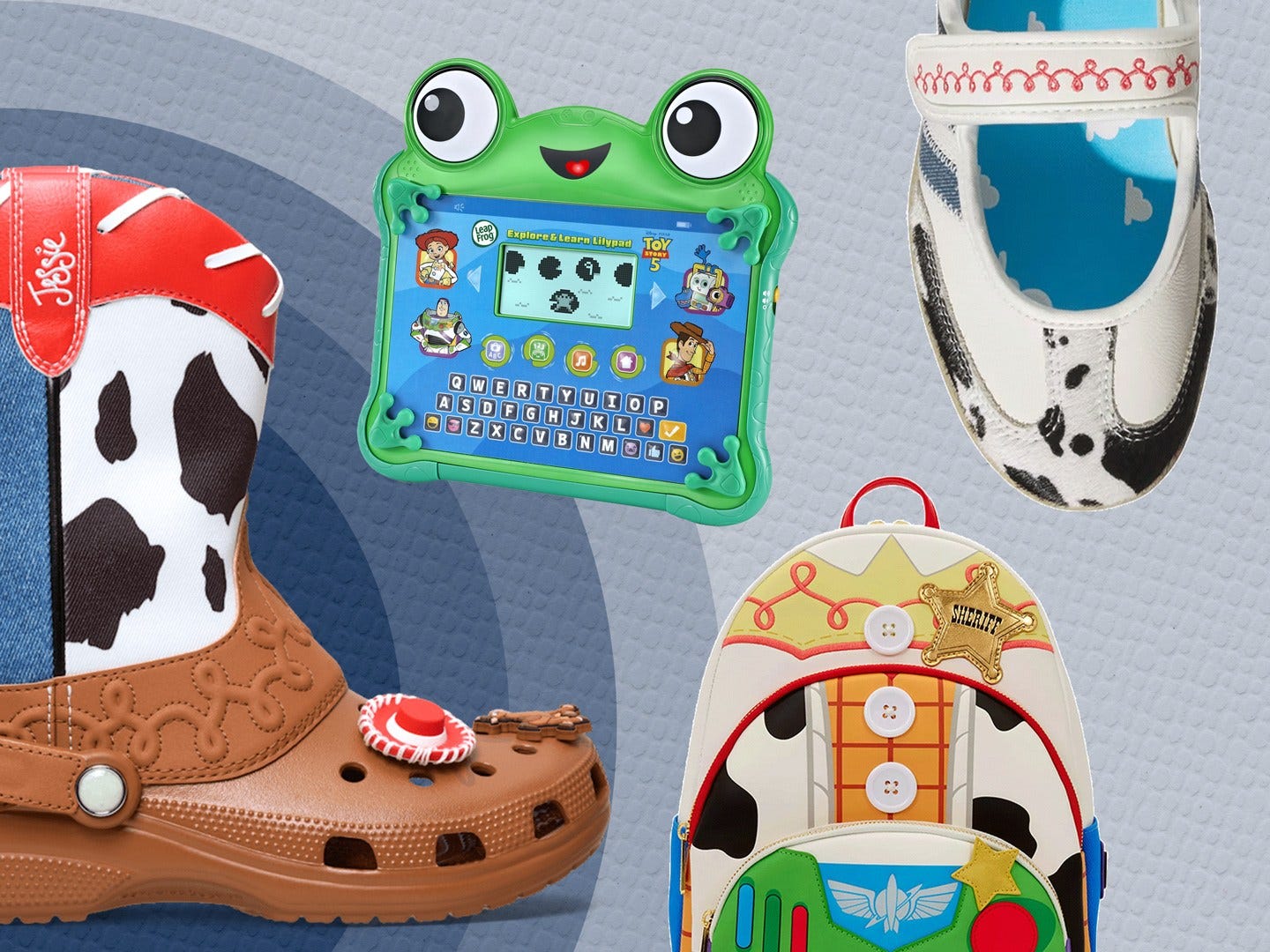
Okay, so having just covered off the whole ironic “toys vs tech” messaging on social media, we’re not straying too far from irony here either. This pillar looks at another one running through the Toy Story 5 campaign: is it selling more plastic while preaching against consumerist screen culture, and does evil win because they were clearly selling tech toys too?
To summarise for you, products and collabs go as wide as Porsche, MLB Ball Park giveaways, Westfield London, the Capital Summer Time Ball, a global Papa John’s partnership, EE cinema tie-ins and plenty more. This is by far my most evidenced pillar, and the channel spread is genuinely broad; it transcends retail and dives into experiential, sport, radio, OOH, automotive and beyond.
Before I get into the examples themselves, I’m going to preface that I’ll only dig deeper into a select few collabs that I found most interesting or that stood out for a particular reason, the rest will be summarised because I feel they’re much more self-explanatory. If you’d like a very topline, social-media-shaped recap of this kind of thing, check out how Pixelated Marj captures “Pixar x Everyone.” The video highlights a variety of the brands Pixar partnered with from the consumer-product angle, so you can actually go and buy a lot of what’s in it. The Papa John’s and EE campaigns for example, include a lot more from a marketing point of view though, and that’s what I’m actually interested in giving you insight on.
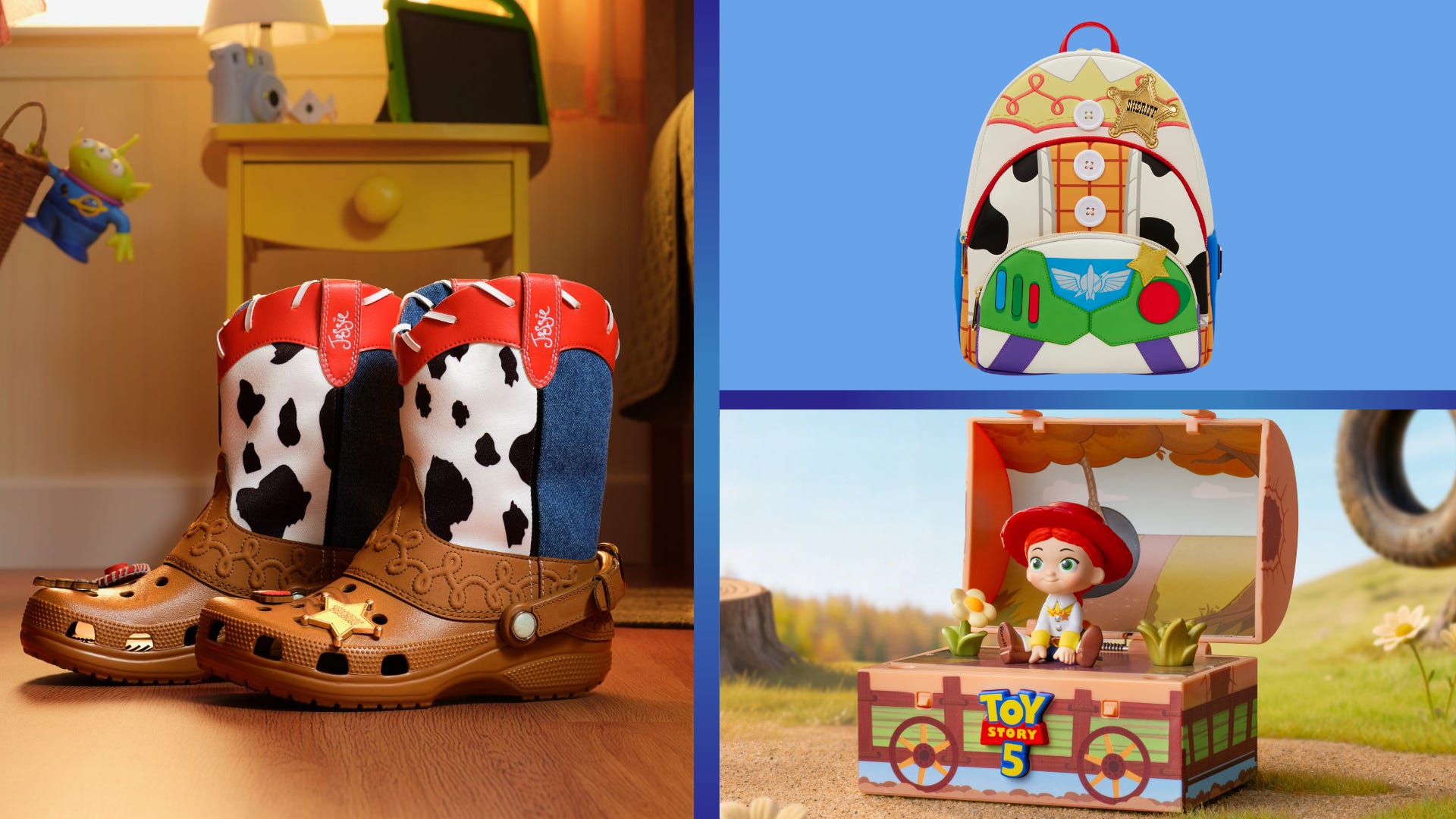
To summarise, I’ve managed to collect examples across a genuinely wide spread of consumer product categories:
Blind boxes from Pop Mart, perfect for the blind-box lovers and feeding into a very large trend of similar products
Pop! Funkos with some genuinely unique picks: Lilypad, Bullseye, Blaze’s Pet Pig among them
Bag charms from Miniso, simple and capitalising on the whole Labubu/bag-charm phenomenon
Suitcases and backpacks that should go perfectly with your new Porsche…
Official Crocs | 275k likes tells me people absolutely love these, and why wouldn’t they, there’s an Alien-style pair and a brown Jessie style that comes with a denim and cow-print collar
Pandora charms continuing their long-standing licensing partnership
A Typo x Toy Story range of desk and home accessories
Kids Foot Locker Adidas sneakers matching Buzz, Woody and Jessie’s colourways, epic
A Burger King Jr. tie-in in Brazil | I do believe Pixar aligned themselves closer to healthier food options and lifestyle brands elsewhere, so it’s interesting this one came to life overseas
The Belkin Lilypad iPad case, pairing perfectly with everything I flagged in Pillar 2
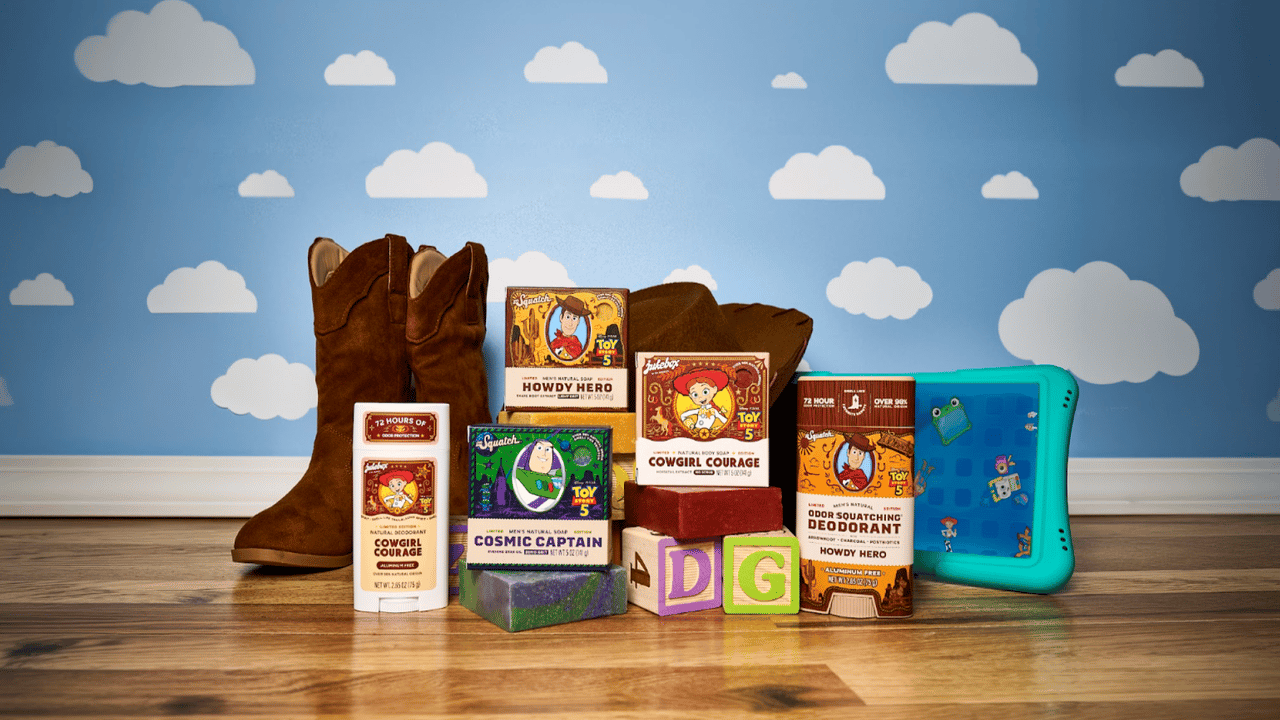
Dr. Squatch soap, which I personally love - I use the Star Wars bars - and given they tend to align themselves with pop culture and IP generally this was somewhat expected, though I do wonder what smelling like a toy would actually be like
Remasters of Toy Story: Retro Roundup! and the Toy Story 3 Complete Edition dropping October 15th, acting as a transmedia layer that already existed and is simply being revitalised for a modern audience
A Fortnite LATAM tie-in adding the Pizza Planet Truck as a vehicle skin alongside Buzz Lightyear and Emperor Zurg skins and an Alien sidekick - see the Fandom page for the full set
A Luckin Coffee collab in Singapore serving a Buddy Apple Butter Latte and a Pear Play Latte
AMC popcorn buckets - did you seriously think this wouldn’t turn up? Shame on you ;) - included a Buzz bucket that matches his actual packaging, right down to him arriving inside it, much like the Shrek example I found for my Shrek at 25 post, plus the iconic yellow-and-blue Pixar Star Ball turned into a bucket with cups and toy toppers to match
A free small popcorn for Disney+ Perks members via Regal Crown Club | synergy, again, and I love it, because it just asks members to connect one point to another and rewards them for essentially giving Disney another gateway into understanding their audience better
Hey Dude shoes | not much to add outside of nice
A LEGO Germany post for the wider range of Toy Story 5 sets
Finally a genuinely impressive pop-up at Westfield Shepherd’s Bush, which took over a large chunk of one of the UK’s busiest shopping centres, complete with activities and free extras like smoothies and trading cards to take home.
Now that you’ve got the lay of the land, let’s get into the partnerships I think are actually worth reading into properly.
First up, the Porsche collab, which is worth a raised eyebrow given the film’s anti-consumerism message; somewhat hitting the same note as the TikTok event in the previous pillar. A luxury car brand partnership for a film about the value of simple, tangible toys is probably the sharpest single example of the campaign undermining its own positioning, and that’s because the two don’t often share the same marketing space. But as Born Licensing put it, Toy Story is one of the few franchises able to bridge those worlds - still doesn’t detract from when I first spotted it and how flabbergasted I was.
If you’re interested in the examples: there’s the teaser itself, sitting at 300k likes on Instagram; Complex entered the chat, which tells you how big a moment this was for luxury and entertainment, since the earned media potential basically sells itself; the official look from Porsche and Disney achieved over 1 million likes, showed off the three cars inspired by Buzz, Woody and Jessie, whilst letting us know this was done in the name of charity, with the one-of-a-kind Sonderwunsch builds sold to benefit the American Red Cross, Starlight Children’s Foundation and Big Brothers Big Sisters of America; and Forest Auto Reviews, which pulled in 738k likes for an in-person look at the actual cars - I’ll add they’re genuinely gorgeous, and personally I’d go for Buzz.
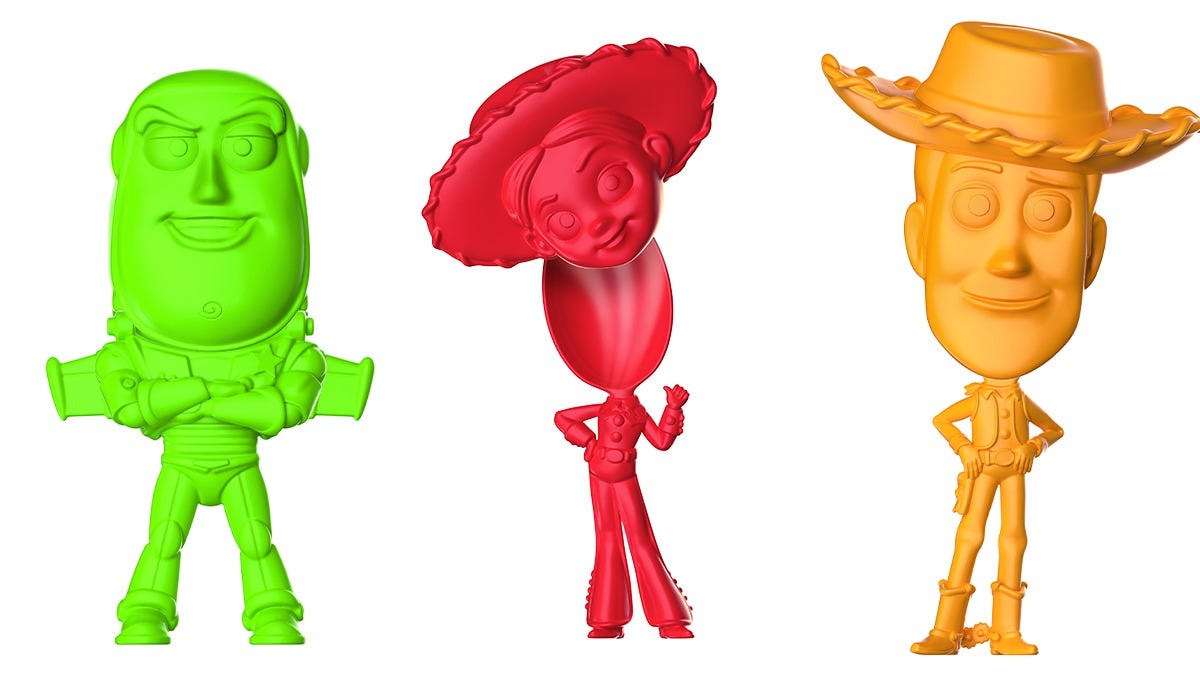
Up next, the Kellogg’s collab, which I personally find pretty epic, simply because I remember diving into a new cereal box trying to find a secret figure or lighstaber spoon; hopefully you can relate as well. From what I understand, Kellogg’s hadn’t put toys in their boxes for over a decade, so you can imagine this was likely a big deal for both companies.
The partnership wasn’t exclusive to one cereal as well, with Frosted Flakes, Froot Loops, Apple Jacks and Corn Pops all having their moment, offering up Toy Story trading cards, collectable spoons and movie ticket offers. It also turns out I’m not alone in remembering this fondly, because as One Pulse finds, 83% of Millennial parents remember finding a toy in a cereal box as a child, and 48% say the comeback makes them more likely to buy that brand; when asked what most often leads to an unplanned purchase, nostalgia (48%) actually beats discounts (38%).
Whilst that’s really interesting on its own, it also leaves me wondering whether we’ll see more of this kind of thing in future.
In an interesting move, Disney looked towards two major telecoms companies to tap directly into the screen-time plot point; AT&T for the US, EE for the UK.
Now, whilst you’re probably aware I’m not American, I still managed to come across this AT&T post, which reads “new toys, new tech, same reminder: the best connections are the ones that bring us closer together” over the bespoke animation made specifically for social above.
Again, One Pulse is genuinely brilliant for added context here. As they share, Disney positioned AT&T as the brand that helps families stay connected rather than pushing more consumption, and only 20% of people surveyed found the partnership hypocritical; 40% said it’s clever if AT&T positions itself as part of the solution, and a further 26% said it depends entirely on how the campaign handles it; indicating that the creative execution itself is really the primary risk if it isn’t handled well.
While again I’m not from the US, I found it genuinely interesting what else One Pulse had to say about the differences between the two markets, given Disney leveraged two different partners: UK consumers feel more personal anxiety about screen time (40% say it genuinely bothers them, versus 31% in the US) and are more likely to feel conflicted about their own tech use (43% vs 33%), yet, the US edges ahead on finding the anti-screen premise personally relevant, with 63% in the UK and 61% in the US saying the film’s message resonates with them, a smaller gap than the guilt numbers might suggest.
Which is where EE step in with their “Toy Story 5”-inspired DCM collaboration, helping families talk about online safety, blending entertainment with practical support so EE could play a meaningful role in how families navigate life online. As a co-created campaign, the headline was a 30-second film built to bring the characters into a modern family context around tech, trust and growing up in a connected world; essentially acting as a conversation starter for family life online, while connecting directly back to EE’s own offerings.
Interestingly, whilst I caught the 30-second ad myself, I didn’t spot any of the other media planning around it - influencer-led content, cinema-wide OOH formats, YouTube activity, foyer installations and more - but I guess I’m not the target audience, so that makes sense.
The Pizza Planet and Papa John’s collab has to be my absolute favourite partnership - the Porsche one is sick, don’t get me wrong - but for whatever reason this is one that’s never really been investigated properly before, and it deserved to be.
I, much like a lot of others, rewatched the Toy Story films in prep for 5, and let me just say Pizza Planet still looks just as cool to me now as it did twenty years ago. One Pulse yet again backs up that I’m not the only one who thinks this: 59% of consumers say they’d go out of their way to visit an immersive recreation of a fictional location from a film they loved growing up, and 62% say a brand doing so would make them feel more positive about it overall.
Whilst I sadly wasn’t able to make it to the London pop-up myself - a genuine shame - but let’s relive it through what I did catch: the immersive Pizza Planet locations themselves; a very cool “POV you just clocked out of your shift at Papa John’s Pizza Planet” UGC-style video, complete with a look at the pizza boxes and Pizza Planet-style truck; genuine UGC from a food influencer capturing the perfect Friday date night, with a lot more on the food collabs than the official content shows; the truck roaming the streets of Chile too, so people walking past could grab their own photos and videos; and a comic showing off the pizzas, which even Disney’s own CMO Asad Ayaz reshared to his Instagram.
We’re nearly there, I promise. This last one isn’t a single partnership so much as a look at Disney’s wider ties to sport - given Disney own ESPN, it’s no surprise Toy Story got tied into a Super Bowl moment I referenced earlier on in this post. However, what Disney also did was partner with Major League Baseball, to release bespoke content which featured Mookie Betts and his daughter starring in a TV spot, offered Ball Park Family giveaways, and ran themed MLB games across the summer.
Okay, so that’s the full commercial engine laid out for you. Now for the bit I’ve genuinely been looking forward to writing: did any of it actually work?
So, did it work?
Toy Story 5 has been an outright box office triumph, cementing itself as one of the most successful films of 2026. Following its theatrical premiere on 19 June 2026, the Pixar sequel shattered franchise records with a $300+ million global opening weekend, before charging past the $1.1 billion mark worldwide. Against a production budget of $250 million and estimated P&A costs of $100-150 million, industry analysts placed the theatrical break-even somewhere between $750 million and $800 million - meaning the film hasn’t just cleared that bar, it’s nearly tripled its combined costs, generating hundreds of millions in pure theatrical profit for Disney and pushing consumer toy merchandise sales to a five-year high in the process.
What I find genuinely satisfying, though, is how directly the actual audience data validates the argument I made back in Pillar 1.
Nearly 70% of opening-weekend ticket buyers attended as family groups, and adults over 25 made up 55% of the audience on their own; this was never really a kids’ film that adults tolerated, it was a family occasion that adults actively chose. And the clearest single shift from Toy Story 4 backs up exactly what I was arguing about parents being the real engine of this campaign: mothers went from 58% of parent attendees in 2019 to 72% for Toy Story 5. That’s a genuinely significant move, and it lines up almost perfectly with the generational-mirror argument I made right at the start of this piece.
The film also picked up an A CinemaScore but the detail I actually love is that parents scored it 5/5 against 4.5/5 from children. Usually you’d expect that gap to run the other way. Parents weren’t just tolerating this for their kids; they walked out more satisfied than the kids did, which is about as strong a word-of-mouth engine as a family film can hope for.
There’s also a genuinely useful answer buried in here to one of the questions I set myself before I even started writing this: how do you turn nostalgia into theatrical urgency?
The Toy Story catalogue had already racked up more than 60 million viewing hours on Disney+ before this film even came out, which could easily have talked people into just waiting for it to land at home. Instead, it opened to $160 million domestically and $312 million globally, with premium formats like PLF and IMAX making up around a third of ticket sales. Streaming familiarity, it turns out, isn’t a threat to theatrical if the campaign gives people an actual reason to see the next chapter now rather than later; reunion, scale, cultural relevance, and a reason to make it a shared, communal occasion.
The audience also widened in ways that matter for how you’d plan the next one of these: Hispanic/Latino viewers grew from 23% of the Toy Story 4 audience to 30% for Toy Story 5, while the under-25 share actually fell from 59% to 44% as older generations came back into the fold. This wasn’t a campaign chasing new, younger eyeballs. It was a campaign that reached backward into its own audience and asked them to bring their kids.
If I had to boil the whole campaign down to one sentence, it’d probably be this:
Toy Story 5 was marketed as a children’s adventure, purchased as a parent-approved family outing, and amplified as a nostalgia event by adults who’d grown up with Pixar themselves. One franchise, doing three completely different jobs for three completely different audiences, all at the same time.
Wrapping this one up
So, going right back to where I started - the questions I set myself after that Pixar 40 Years panel - how does the campaign actually hold up?
The “thirty years of cultural equity” question, and the “make the parents who grew up with Woody and Buzz want to take their own children” question, both get answered the same way: repeatedly, deliberately, and from a dozen different directions; traditional media, Taylor Swift, retail, OOH, sport, the lot. That’s Pillar 1, and if anything the performance data above makes that pillar look even stronger in hindsight than it did while I was writing it.
The “market toys vs. tech without it becoming a manufactured culture war” question is the one I think the campaign handled with the most self-awareness - Pillar 2 in particular is full of moments where Disney seems genuinely conscious of the irony it’s playing with, even when it doesn’t fully resolve it (see: the Lilypad tablet skin, or frankly this entire third pillar).
Which is honestly where I land on the “can a merch-heavy campaign avoid looking hypocritical” question too - it doesn’t, not completely. Porsche, blind boxes, AMC buckets and a tablet skin sit fairly awkwardly next to a film arguing that real toys beat screens. But I don’t think it fully undercuts Pillar 1 the way I worried it might going in, because the campaign never really pretended otherwise, and it closed this pillar out by donating 18,000 toys to children’s hospitals - now, I didn’t include it earlier on because I thought it was worth mentioning here, given it’s either a genuinely lovely piece of CSR or the smartest possible answer to its own hypocrisy problem, and I suspect it’s honestly a bit of both.
The one question I genuinely wasn’t sure the campaign had answered by the end of Pillar 2 was how you turn nostalgia into theatrical urgency. It turns out the answer wasn’t really in the creative at all. It was in the box office. Sixty million hours of Toy Story already sat on Disney+, and people still turned up in cinemas anyway, in premium formats, in the tens of millions.
If there’s one thing worth stealing from all of this for your own campaigns, it’s that “family audience” was never really one audience. Children supplied the desire, parents supplied the permission and the payment, and the adults who grew up on Pixar supplied the cultural heat that made the whole thing feel like an event rather than just another sequel. Get all three pulling in the same direction, and thirty years of cultural equity stops being a risk to manage and starts being the reason people actually show up.
That’s The Harperverse breakdown of Toy Story 5.
If this kind of breakdown is your thing - film marketing, transmedia storytelling, the business behind the stories - subscribe to The Harperverse.
The Harperverse is a free publication, if you want to support what I’m building here, a paid subscription is £4 a month, less than a coffee in London!
For related reading:
Moana 2026 • The Mandalorian and Grogu • The Devil Wears Prada 2 • Hoppers • Pixar’s 40 Year Franchise Legacy
Browse by what you're in the mood for: deep-dive Tentpole Autopsies, shorter Documentary Reports, and reactive Quick Takes; filter by studio, genre, or media channel if you're after something specific.
~ most uncredited images will have been taken from the films TMDB page!