

Weapons
When Movie Marketing Crosses Over to Reality

In an era where the average trailer scrolls past in seconds, Weapons has managed to stop audiences cold and make them question what’s real…
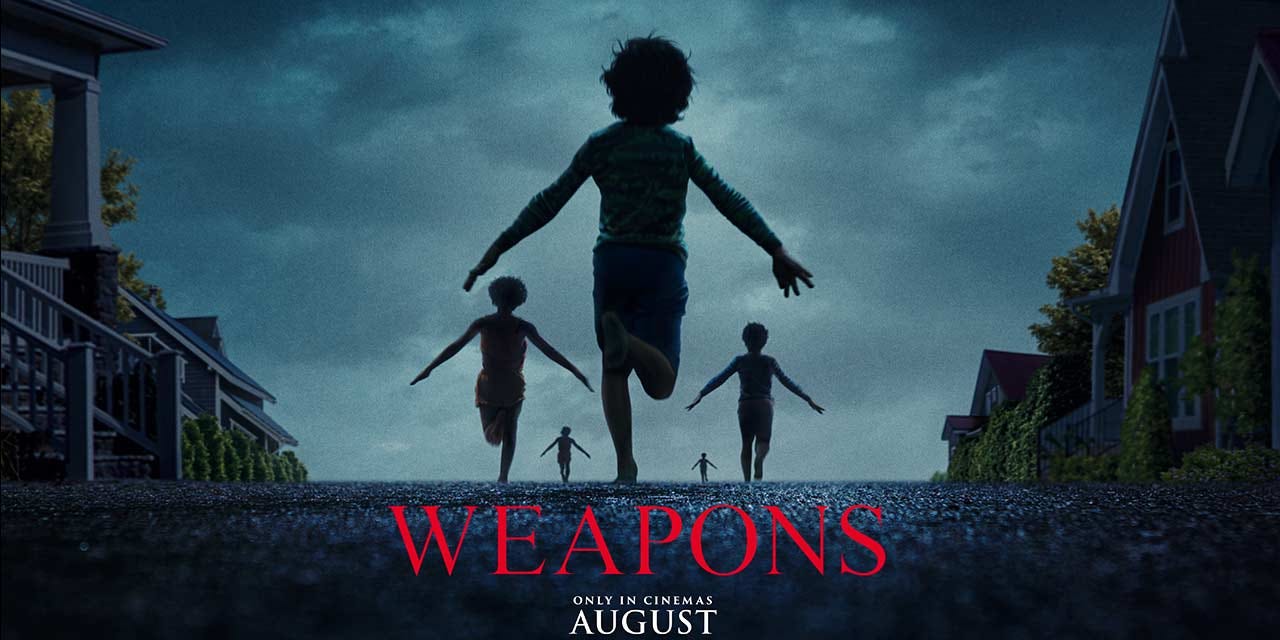
Zach Cregger’s latest horror isn’t just scary on screen; it’s marketing campaign blurred the line between fiction and fact, creating viral panic, immersive ARGs, and even a shared universe with Barbarian before anyone expected. This is how a film launches as an experience - and why Weapons is changing how we think about releasing modern horror.
The Transmedia Deception: When Marketing Blurs with Reality
The marketing for Zach Cregger’s Weapons has achieved something remarkable in today’s saturated media landscape: it has successfully blurred the lines between fiction and reality, creating a viral narrative that feels terrifyingly real.
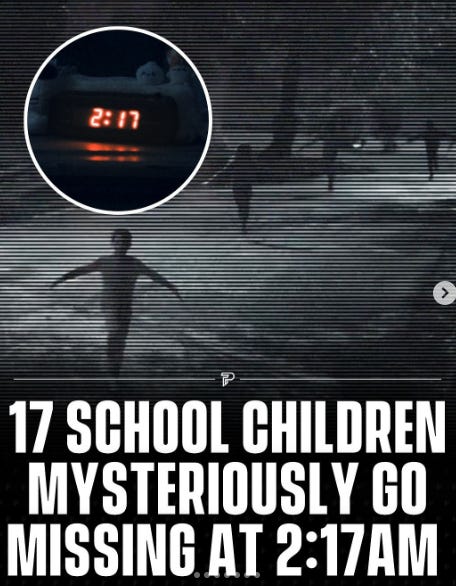
A prime example is a social media post by the popular account @pubity, designed to look like a genuine news alert about missing children. The post sparked widespread alarm and confusion, with top comments like, “Mannnnnnnnnn!!!! I thought this was a real news and not some movie ad!! I got all anxious as a parent! Sheeesh!!” (2.7k likes) and “bro i thought ts was real💔” (31k likes), proving the creative’s startling effectiveness.
The Power (and Risk) of ARGs in Horror Promotion
The Weapons campaign exemplified the appeal of Alternate Reality Games in horror: fans participate in the narrative. However, simulating real-life scares - especially missing children - shows studios must carefully balance immersion with sensitivity, as some tactics can cause genuine anxiety.
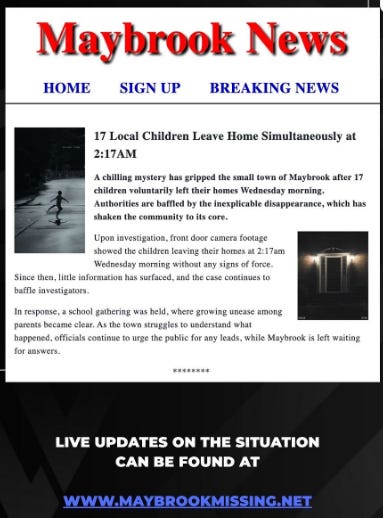
This wasn't just a clever one-off post; it was the entry point into a meticulously crafted Alternate Reality Game (ARG). The post directed concerned users to a website, www.maybrookmissing.net. Before the film's release, this site hosted mock news stories about the disappearances. In a brilliant stroke of universe-building, a second page titled “Underground Prison Discovered in Rental Home” served as a direct reference to Cregger’s previous hit, Barbarian, hinting at a shared universe long before it was confirmed.
Shared Universes as Early Hype Engines
Planting these Easter eggs referencing Barbarian expanded the film’s lore and deepened fan investment. Modern audiences crave interconnected worlds, and smart marketing can build anticipation for sequels or spin-offs before they’re even announced.
The immersion didn't stop there. Warner Bros. released a mysterious, unlisted two-hour YouTube video ("2025_░_░_06:17AM.mov") showing grainy CCTV footage of children running at night, mirroring the film's premise. This move fuelled online speculation on platforms like Reddit, allowing the audience to piece together the mystery themselves.
As noted by Sky Society, these eerie, unexplained digital breadcrumbs generated immense curiosity and anticipation, with director Zach Cregger acknowledging the countless fan theories that emerged as a result.
A Calculated Media Mix: From Big Screens to Bus Stops
To sell the chilling atmosphere of Weapons, the campaign deployed a comprehensive and strategic media mix, with a heavy emphasis on Audio-Visual (AV) content to showcase the film's cinematography and visceral horror.
Digital Dominance: The campaign’s engine was digital. Un-skippable video ads on YouTube will have been crucial for driving mass awareness. Then coupling this up with targeted video link ads across Meta (Facebook & Instagram) and TikTok to push audiences from consideration to conversion (ticket sales).
The primary KPI clearly being video views, to ensure the haunting visuals reached the largest audience possible. A wide array of creatives would have been tested across programmatic display and social channels to optimise performance and maximise reach.
The At-Home Big Screen: Recognising the power of the living room, the campaign would have invested heavily in VOD and CTV. By securing native ad placements through vendors like Amazon and Samsung, Warner Bros. ensured Weapons appeared directly on the largest screens in the home, capturing undivided attention in a premium, lean-back environment.
Traditional Reinforcement: This powerful digital push was supported by traditional media. OOH 6-sheets were strategically placed in high-footfall areas like bus stops and the London Underground, while linear radio buys ensured the film’s ominous presence was felt during daily commutes.
Multichannel Targeting & Audience Segmentation
Combining AV, VOD, OOH, radio, and gaming enabled Warner Bros. to connect with audiences wherever they consumed media - whether relaxing at home, commuting, or scrolling. This all-encompassing strategy makes Weapons accessible to both casual and dedicated horror fans.
Crafting Credibility and Targeting the True Fan
Beyond the media placements, the strategy was laser-focused on building credibility and engaging a discerning horror audience.
Leveraging Early Success: After overwhelmingly positive test screenings, the studio confidently moved the release date up to August 8, 2025, leveraging the powerful early buzz. This was supported by a stunning 100% score on Rotten Tomatoes, a critical endorsement that always becomes a cornerstone of the advertising push.
Highlighting the A-List Team: The campaign smartly emphasised the creative forces behind the film. The involvement of director Zach Cregger, whose work on Barbarian earned him immense genre credibility, was a major draw. This was amplified by the star power of Josh Brolin and Julia Garner, attracting fans of their previous work.
Focusing on a Different Kind of Fear: As noted by No Film School, the marketing for Weapons deliberately showcased its originality and ability to create dread without relying solely on jump scares. This targeted audiences who appreciate more psychologically unsettling horror, positioning the film as a thinking person’s thriller. Early reviews, like Kevin Pettit’s on Substack, have validated this, praising Cregger for cementing himself as a "name in the horror genre" and highlighting the film's "subtle exploration of the social problems," despite some minor pacing issues.
The Credibility Boost: Test Screenings & Rotten Tomatoes
Building ad campaigns around critical/social validation taps into audiences’ hunger for trusted curation. Studios increasingly value early reviews and test audience reactions to generate buzz and create a sense of legitimacy.
Beyond the Cinema: Integrating into the Gaming World
In a truly innovative move to capture a younger, digitally-native audience, Warner Bros. partnered with the global gaming phenomenon Fortnite. As reported exclusively by Variety, the "Weapons" tie-in event embedded elements of the film into several of the game's most popular modes, including "Troll Bed Wars," "Warrior Tycoon," and "Drive City." This partnership transformed the film's promotion from a passive viewing experience into an interactive one, expanding its reach far beyond traditional marketing channels and creating a new, immersive entry point for a massive global audience.