

Why So Serious?
How The Dark Knight Turned Marketing Into Story

This is Part One of a two-part tentpole autopsy exploring The Dark Knight as a transmedia blueprint. Today we explore why it worked. Next week, we break down how it was built; and what filmmakers and marketers can actually take forward!
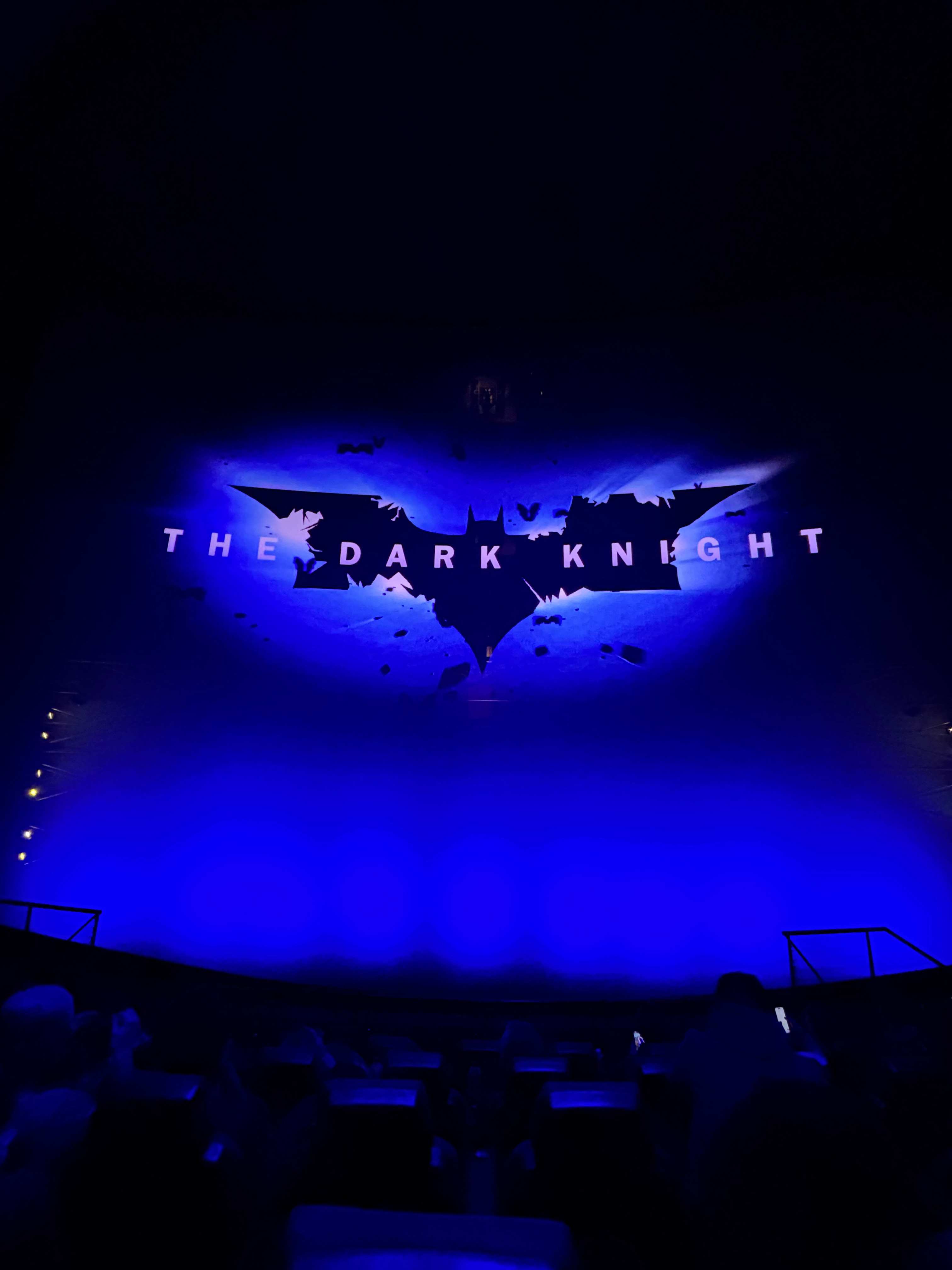
I recently revisited The Dark Knight in IMAX, and it genuinely felt like watching the film again for the first time.
Not because I had forgotten the narrative - far from it - but because revisiting Nolan’s Gotham with fresh eyes reminded me how rare it is for a blockbuster to feel simultaneously intimate and monumental. Heath Ledger’s Joker remains one of the most magnetic performances ever captured on screen, and the film’s scale, pacing, and confidence still feel almost confrontational compared to the safer, algorithmically-engineered tentpoles that dominate today.
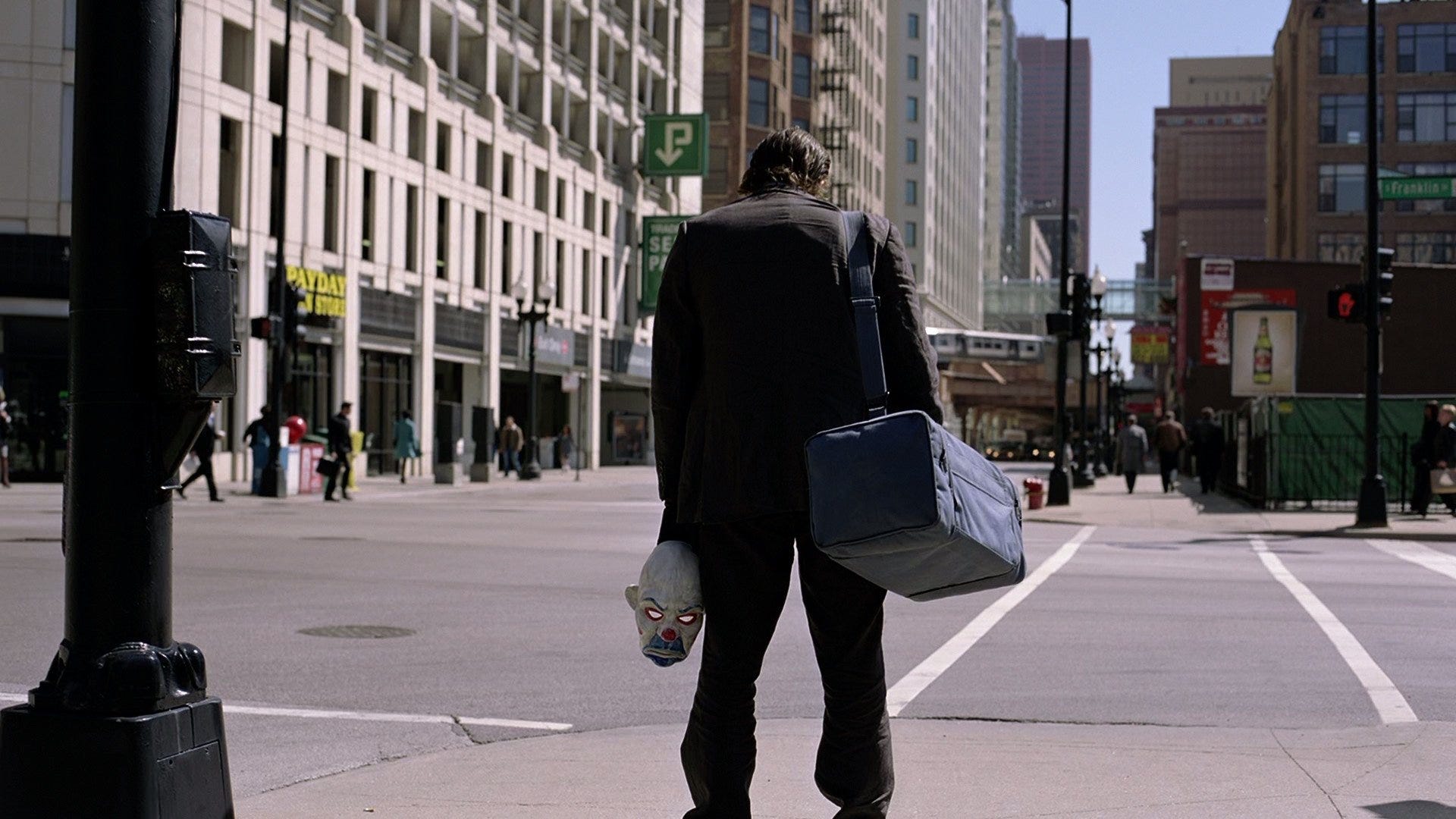
But sitting there, watching the opening bank robbery unfold, I found myself thinking less about the film itself and more about something that happened long before audiences ever sat down in a cinema.
And that’s because the real story of The Dark Knight didn’t begin with trailers or posters. It began years earlier - before principal photography had even fully begun - when storytelling and marketing stopped being separate conversations and instead became part of the same creative philosophy.
And that distinction matters more today than ever.
Because what Warner Bros., the Nolan team, and 42 Entertainment created wasn’t just a marketing campaign.
It was narrative architecture. And once you start viewing it through that lens, the campaign stops looking like marketing innovation and starts looking like intentional world design.
The Problem With Modern Movie Marketing


Most modern film marketing operates under a fundamentally different assumption: that attention must be captured quickly, loudly, and repeatedly.
Studios chase visibility; trailers that trend for 24 hours, social media drops designed to generate instant reactions, influencer integrations that prioritise reach over resonance. Campaigns increasingly feel like bursts of noise competing for algorithmic oxygen, rather than carefully constructed journeys designed to immerse audiences in a world.
And yet, despite ever-increasing budgets, many campaigns struggle to create lasting emotional memory.
They generate awareness. They generate conversation. But they rarely generate belonging.


The Dark Knight campaign approached the problem from the opposite direction. Rather than asking how to interrupt audiences, it asked how to invite them into a story before they realised they were participating in marketing at all.
Herein lies what I believe is a perfect blueprint for transmedia storytelling overlapping with advertising; not in an intrusive way, but in a way that transforms promotion into narrative experience. Instead of telling audiences to care, it gave them reasons to care by embedding them within Gotham itself.
And importantly, this wasn’t a late-stage marketing gimmick.
This began long before traditional campaign rollout.
Which tells us something crucial: the Nolan team aren’t just brilliant filmmakers; they are strategic storytellers who understood audience psychology and world-building at a marketing level.
Context Matters: The Pre-Social Media Landscape
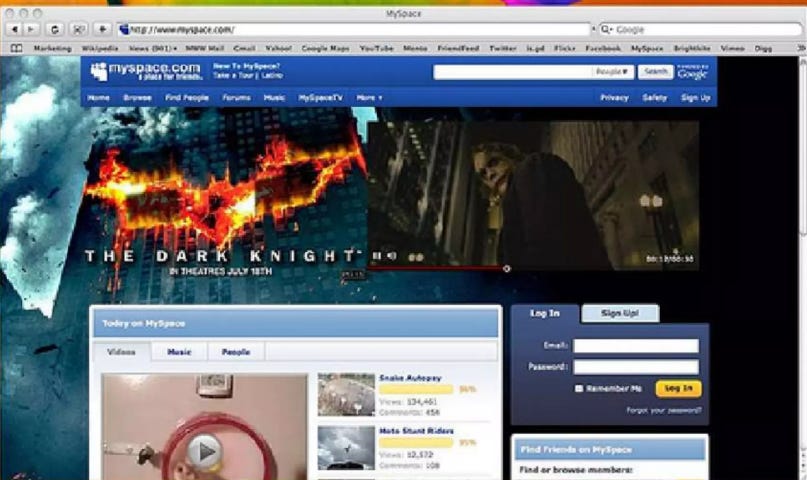
One of the most fascinating aspects of the campaign is that it existed in a digital environment that feels almost alien by today’s standards. We’re talking pre-Twitter dominance, pre-Instagram culture, longggg before TikTok reframed attention spans entirely.
Online communities at the time existed primarily through forums, fan blogs, and grassroots collaboration spaces where discovery required genuine effort. The algorithmic feeds weren’t pushing content into your hands as hard as they do now; you had to seek it out, share links manually, and piece together clues collectively.
Ironically, this slower environment created deeper engagement.
Participation required intention. And intention creates investment.
When audiences have to work to discover something, they subconsciously assign it greater value; a psychological principle modern algorithm-driven feeds often undermine by removing friction entirely.
Discovery required curiosity. And because of that, the campaign fostered a sense of ownership that is difficult to replicate in today’s passive consumption ecosystem.
Studios today often search for fleeting fame; viral moments that spike awareness but evaporate quickly. But The Dark Knight demonstrates that storytelling remains the strongest engine of engagement. The reason the campaign is still discussed today isn’t simply because it was innovative; it’s because it created emotional memory.
And emotional memory is the true currency of marketing.
The Gold Standard ARG - But Not for the Reasons You Think
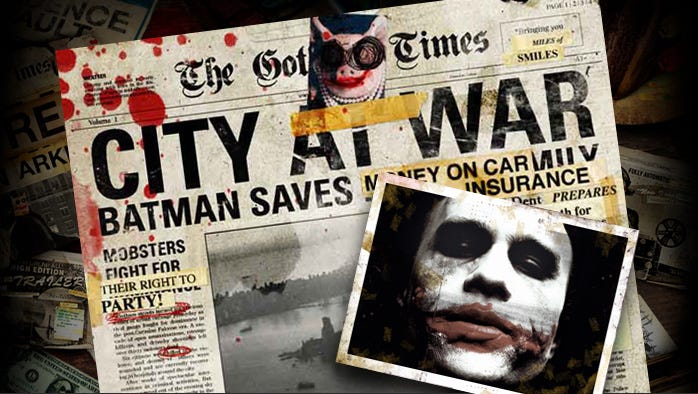
Much of the online analysis surrounding The Dark Knight focuses heavily on documenting the Alternate Reality Game (ARG) known as “Why So Serious?”. Timelines exist that catalogue puzzles, events, and hidden websites with forensic precision.
But something has always felt missing from those breakdowns.
While they explain what happened, they rarely explain why it mattered from a strategic perspective; especially for filmmakers who might want to learn from it.
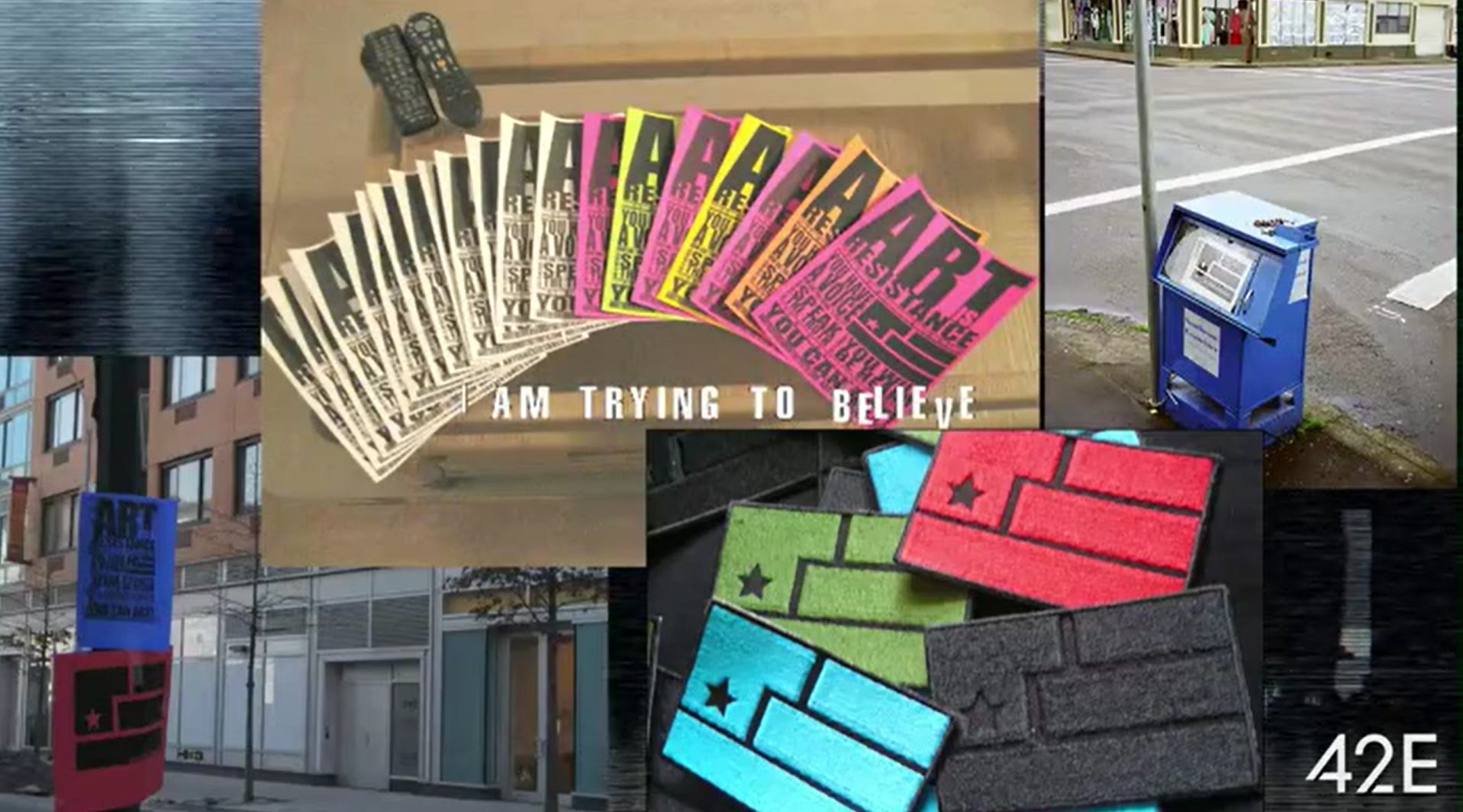
Yes, this campaign stands as the gold standard of ARG execution. Yes, it built on earlier transmedia experiments like Nine Inch Nails’ immersive campaigns. But, its real genius wasn’t technological or even experiential.
It was narrative alignment; every element reinforced character, tone, and thematic identity. This wasn’t marketing layered onto a film. It was storytelling expressed through marketing.
Sadly what often gets lost when people describe the campaign as the “gold standard ARG” is that its success wasn’t rooted in complexity alone. Many ARGs since have attempted to increase puzzle difficulty or scale, assuming that more elaborate mechanics automatically translate into deeper engagement. But the true innovation here was alignment; every activation reinforced narrative intent rather than existing as a detached gimmick.
From a planning perspective, the ARG functioned less like a game and more like a distributed storytelling platform. Each puzzle wasn’t just a challenge; it was a narrative delivery system that revealed character tone, thematic tension, and world-building detail in incremental layers. This distinction is critical because it reframes ARG mechanics not as marketing tricks but as storytelling infrastructure.
For filmmakers, this highlights an essential lesson: transmedia experiences succeed when they extend narrative meaning rather than merely promoting it.
From a producer perspective, this changes how we should think about marketing timelines entirely. If narrative alignment is the goal, transmedia cannot be an afterthought layered onto a finished film; it must be conceived during worldbuilding itself. The campaign didn’t succeed because of clever puzzles; it succeeded because those puzzles were extensions of narrative intent.
Introducing Gotham Through Experience, Not Advertising


Rather than releasing information traditionally, the campaign allowed audiences to encounter Gotham as if it were real.
Websites appeared without explanation. Political campaigns emerged for Harvey Dent. Cryptic Joker messages encouraged collaboration and chaos. Fans uncovered images collectively, solving puzzles that required cooperation rather than individual participation.
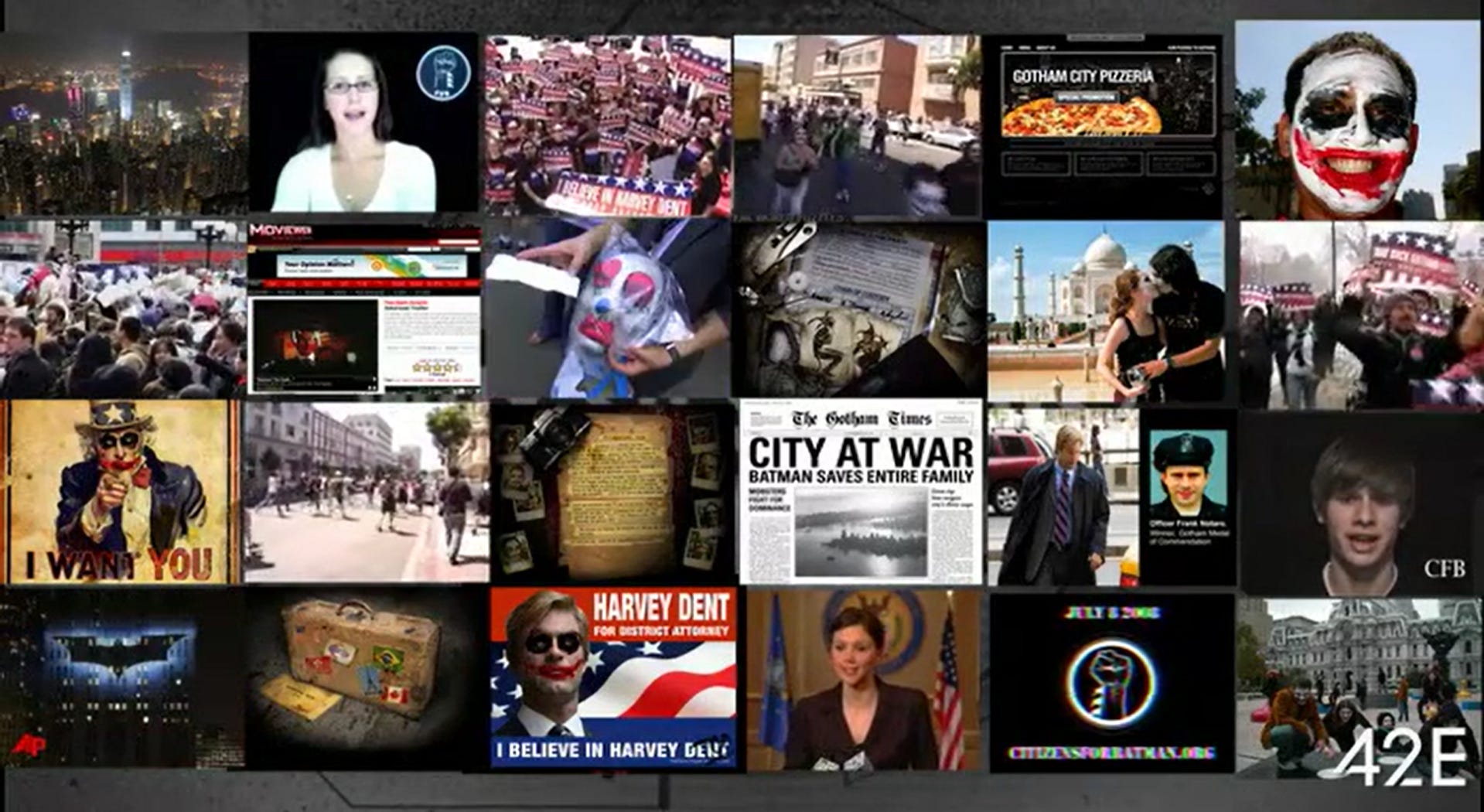
What made this extraordinary was how closely the mechanics reflected character psychology.
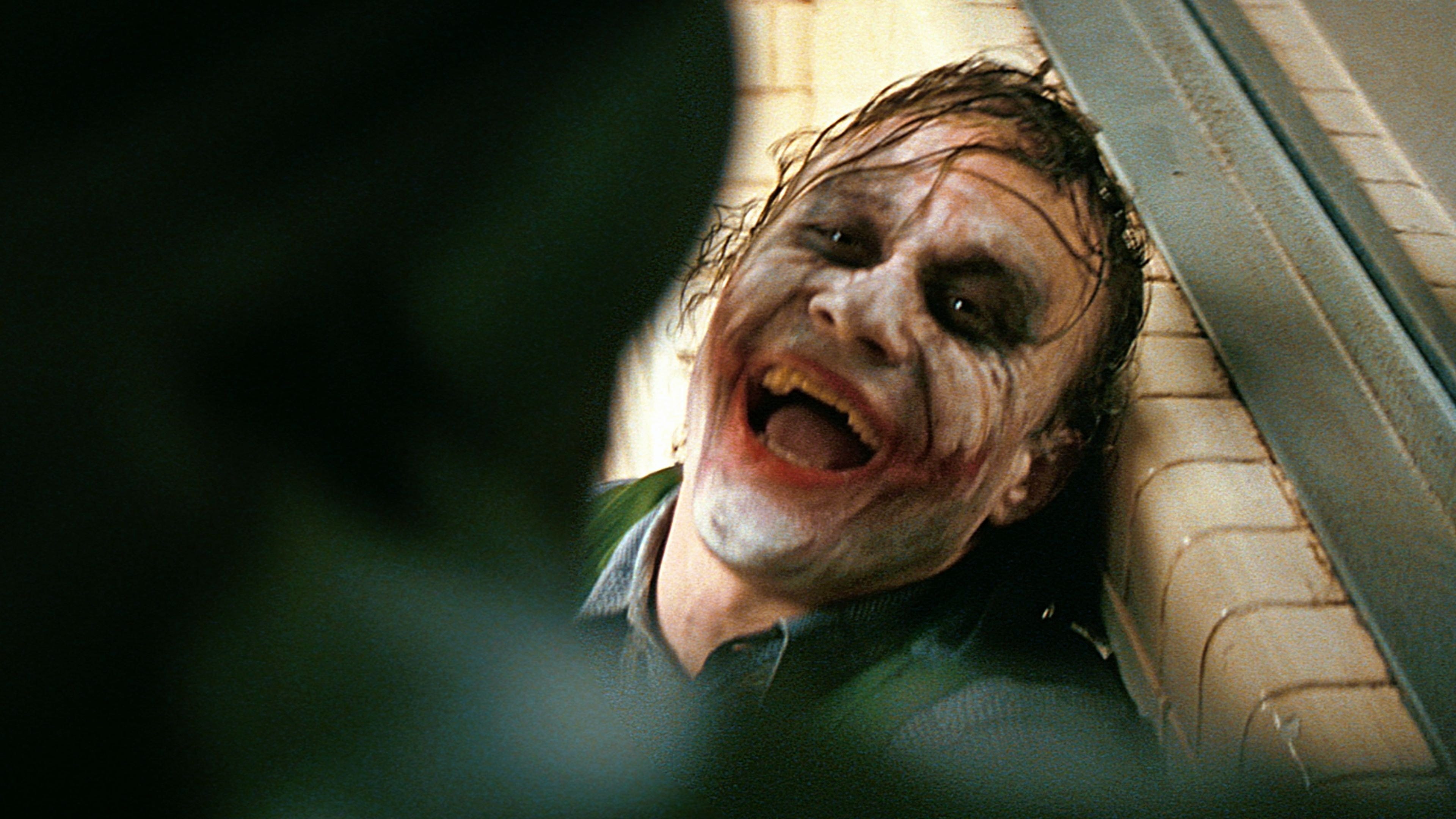
The Joker’s campaign elements felt anarchic, unpredictable, and disruptive; mirroring Ledger’s portrayal before audiences had even seen the performance. Harvey Dent’s messaging felt structured, hopeful, institutional; positioning him as Gotham’s saviour through the language of real-world political campaigning. Batman himself remained elusive, reinforcing his mythic presence.
In other words, audiences didn’t just learn about characters.
They experienced them.
In practical terms, this meant audiences formed emotional relationships with characters before seeing a single full trailer; something traditional advertising rarely achieves.
Discovery as Storytelling
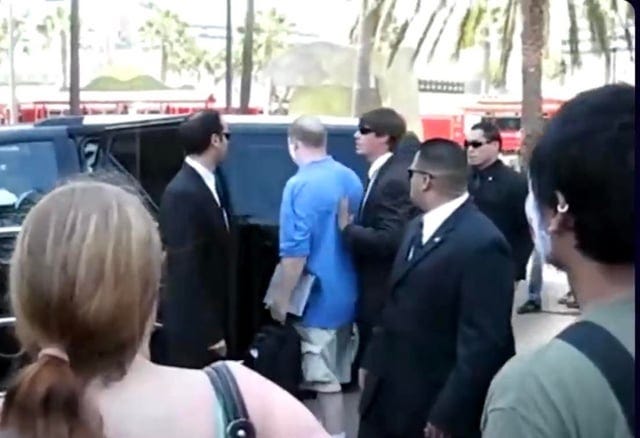
Perhaps the most intelligent aspect of the campaign was its refusal to provide a centralised hub; there was no homepage explaining where to go or what to do.
Participation required discovery; through fan communities, blogs like Batman Blog, IGN coverage, forum discussions, and countless rabbit holes.
This decentralisation wasn’t a flaw. It was the design.
Strategically, decentralisation created scarcity; and scarcity amplified curiosity.
Because discovery transformed marketing into exploration.
Instead of audiences consuming content passively, they became investigators piecing together a world larger than themselves.
IGN described this perfectly when reflecting on the experience:
When the Joker capped off his bravura bank robbery by fleeing in a school bus, those who played the ARG could say, "I helped him steal that!" When the Joker kidnapped Batman-inspired vigilante Brian Douglas, players could say, "Hey, I know him!" And when Harvey Dent vowed to stamp out organized crime and police corruption in Gotham City, players could say, "That’s why I voted for him.”
That sense of personal investment fundamentally changed the relationship between audience and story.
Identity, Status, and Psychological Investment
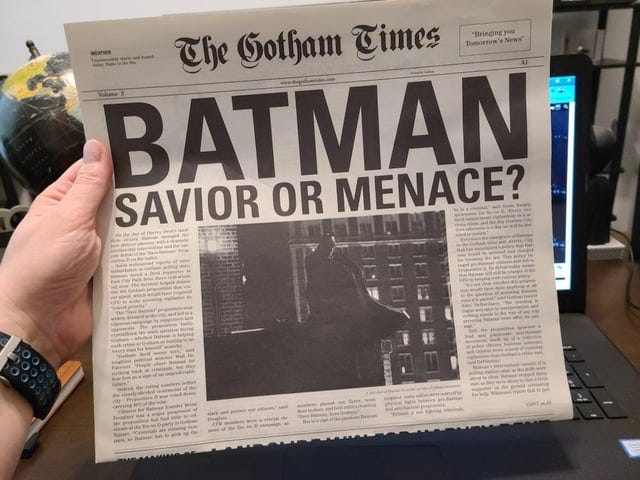
The campaign succeeded because it understood deeper psychological drivers beyond simple engagement metrics. Participation allowed fans to express identity; being part of something exclusive and meaningful.
It created status - early discovery became social currency within fan communities.
It generated social proof - seeing others participate reinforced legitimacy.
But most importantly, it created narrative agency.
Fans weren’t spectators waiting for a film. They were citizens of Gotham influencing its story. That shift from observer to participant is what transformed marketing into memory.
What fascinates me most about the campaign is how intuitively it understood identity-driven participation long before modern marketing language began framing audiences as communities or tribes.
Participants weren’t just solving puzzles, they were signalling belonging. Early discovery became social currency within forums, granting status among peers who valued insider knowledge. Participation reinforced identity: you weren’t just a Batman fan; you were someone actively shaping Gotham’s unfolding story.
This taps into something deeper than fandom; self-expression through narrative alignment. By choosing sides, collaborating with others, or attending real-world events, audiences weren’t simply consuming content they were performing identity.
Modern campaigns often attempt to manufacture engagement metrics without understanding this underlying psychological layer. What The Dark Knight demonstrates is that people engage most deeply when participation reinforces who they believe they are.
Looking at this through today’s lens, the campaign anticipated modern creator culture before it existed. Participants weren’t just fans; they were early adopters performing expertise and earning recognition within micro-communities; dynamics that now drive everything from fandom TikTok to niche Discord servers.
Why It Still Feels Unmatched
Since The Dark Knight, countless campaigns have attempted ARG-style activations.
Few have achieved the same cultural impact. Part of that is timing; a perfect storm of evolving internet culture, audience appetite, and creative risk-taking. But part of it is something deeper: intentional storytelling alignment.
The campaign didn’t exist to promote the film.
It existed to expand the film’s world. And that distinction is everything.
Most campaigns attempt to generate hype. This one generated mythology.
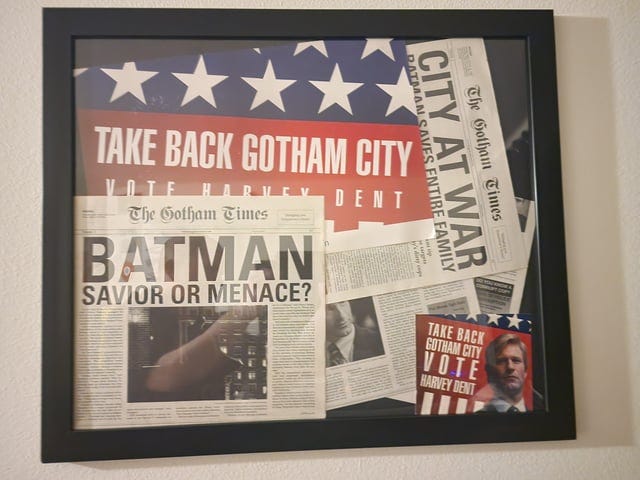
It’s tempting to attribute the campaign’s lasting impact purely to timing; a unique moment in internet culture that can never be recreated. While timing certainly played a role, I believe the deeper reason lies in intentional restraint.
The campaign resisted the urge to over-explain itself. It trusted audiences to explore without guidance, to interpret without confirmation, and to collaborate without centralised control. In an era increasingly driven by optimisation and predictability, that level of trust feels almost radical.
Modern campaigns often prioritise clarity and accessibility, ensuring that everyone understands everything immediately. But mystery creates emotional investment. Ambiguity invites curiosity. And curiosity drives exploration in ways that direct messaging cannot.
From a strategic perspective, the campaign’s restraint may be its most underrated achievement. It resisted optimisation in favour of immersion; prioritising long-term emotional impact over short-term measurable metrics.
But what makes The Dark Knight feel unmatched is not just scale or innovation, it is the confidence to treat audiences as intelligent collaborators rather than passive consumers.
Now, on to Part Two…
Next Sunday, I’m stepping behind the curtain.
Part Two breaks down how The Dark Knight campaign was actually engineered; from early creative decisions and producer-level strategy to the structural principles filmmakers and marketers can realistically apply today.
Because the real lesson isn’t how to recreate an ARG; it’s how to think like the people who built one. It’s how to design audience participation from the very beginning of the storytelling process.
If you’re a filmmaker, producer, or strategist trying to build worlds instead of just promote them; make sure you’re subscribed so you don’t miss the next chapter.