

Moana 2026
The Marketing & Media Report for a Live-Action Remake

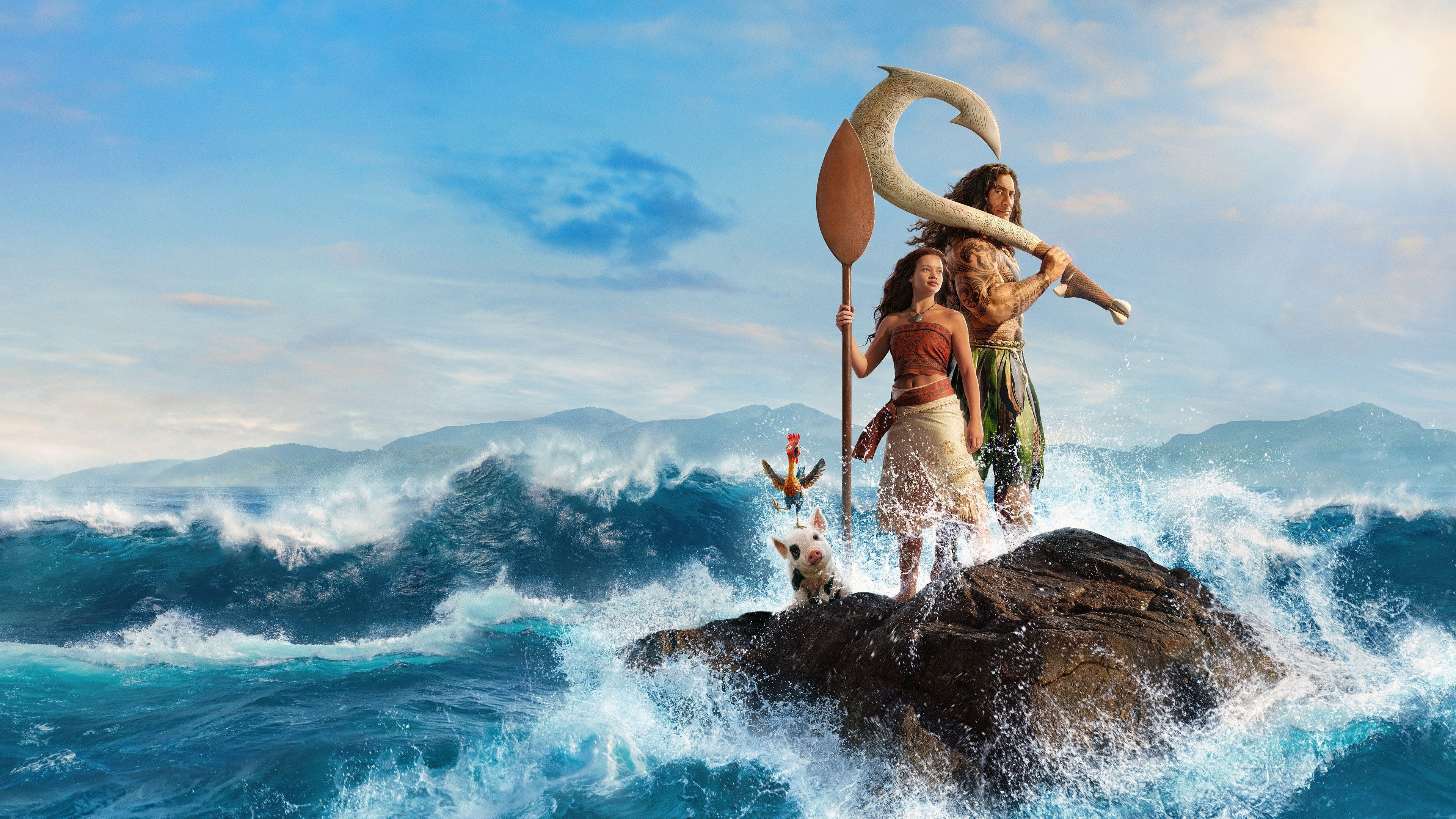
Right, so this one’s a bit different from a Backrooms and Superman post.
Where those pieces were playbooks - “here’s how you do it” breakdowns of campaigns firing on every cylinder - this one’s a documentary report. Whilst Moana didn’t have a bad campaign exactly, it didn’t have the campaign it needed, and I think that gap is genuinely more useful to study than another success story would’ve been.
Before I even opened my Notion workspace, I wrote myself a simple brief: Disney has a visually breathtaking live-action remake of one of its most replayed modern classics. The job isn’t introducing Moana. It’s convincing audiences they need to experience her again.
The actual marketing challenge sitting underneath that though, was much harder. You see, for millions of families, Moana isn’t an event. It’s wallpaper. It’s the film quietly playing in the background on a Saturday morning while breakfast gets made. So how do you take that comfortable, background-noise familiarity and turn it into a “no, we need to see this in a cinema” urgency? How do you make it feel irreplaceable, not just bigger?
That’s the core problem statement I sat with. And out of asking “why might audiences resist believing this positioning,” three pillars fell out pretty naturally; rather than starting with trailers or posters, I wanted to start with resistance. What would stop someone buying a ticket for example? Because that’s what every marketing campaign is really trying to overcome:
Maui Becomes Real - leaning on Dwayne Johnson’s transition from animated voice actor to a physically transformed, live-action Maui, to bridge old fans and new global audiences.
From Screen to Shore - prioritising tangible practical effects, real oceanic location shooting and authentic Polynesian heritage elements, so this reads as a grounded, immersive adventure and not a green-screen copy.
Passing The Oar - positioning newcomer Catherine Laga’aia’s casting as Moana as a real, star-is-born moment that mirrors Moana’s own journey of self-discovery.
Let’s go through them one at a time, and then get into what actually happened at the box office, because that’s where this gets genuinely interesting.
Pillar 1: The Star-Driven Metamorphosis
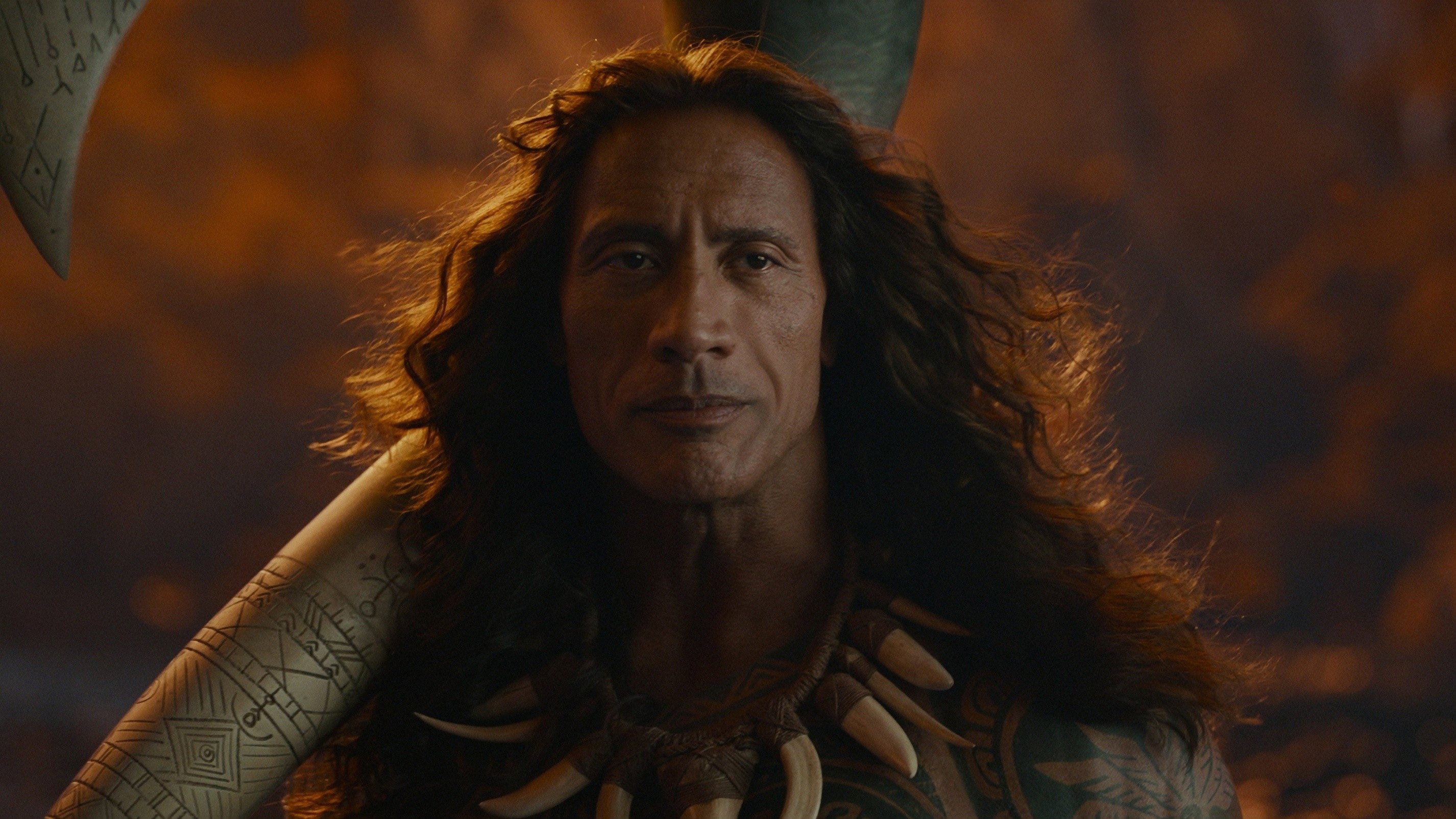
Given The Rock holds the title of the world’s highest-paid actor, it likely comes with a lot of perks, and that’s not just for him either. The films he’s attached to will also likely benefit, given he can leverage his production companies, massive social media reach, and lucrative franchise roles to support marketing efforts and more.
Naturally, because this pillar is all about Dwayne Johnson’s leap from voicing Maui to actually becoming him in live action, most of the examples here centre on his role in the campaign and the different ways Disney had him step into Maui’s shoes.
Kicking it off, there was a genuinely funny interaction between The Rock and a woman called Katy online. Katy joked “go for it, don’t give up on your dreams, The Rock sells shampoo and he’s bald” in relation to his Papa Tui haircare line; a stitched video that pulled 1.6 million likes as The Rock, in full Maui costume, looks down at his phone with a smile and replies that sometimes a demigod’s radiant hair needs shampoo and conditioner, before adding that a gift is on its way to her.
That gift turned out to be flying Katy and her family out for the LA premiere from the Hollywood Bowl, and then - because of course - a Maui-branded truck rolled up outside her house with a year’s supply of the shampoo. I find it funny the truck essentially “rocked” up on this lady lol; genuinely a great use of a moving OOH billboard when you think about it.
Then there’s the more sincere stuff. On Instagram, The Rock talked about mimicking the look of his own grandfather for Maui, calling Moana “more than just a movie,” adding “it’s our culture. It’s our ancestors. It’s our mana.” He covered Esquire’s summer issue as an established Hollywood and Disney fixture (also worth a look: the carousel version, 128k likes). He performed “You’re Welcome” live at a pop-up nearby London’s Tower Bridge; yet again a pop-up event I’ve missed. He did the full press tour circuit, including Good Morning America, where - in full Polynesian dress for the world premiere - he got visibly emotional sharing the stage with his two daughters.


What’s interesting from a social perspective is that much of this content clearly wasn’t aimed at children. It was aimed at parents and young adults instead, relying less on the classic “pester power” dynamic and choosing to speak directly to the people actually buying the tickets.
I’m sure other parts of the media plan were designed to tap into that same pester power tension, though. YouTube on Connected TV, for example.
My favourite example of that comes from Jeremy Lynch - a creator who’s popped up in basically every tentpole breakdown I’ve written at this point - doing an organic, confrontational-but-funny bit with The Rock that pulled 662k likes; it showed some great chemistry between them. Then there’s the dance video with Brooke and Jess (952k likes), where The Rock jumps straight into performing “You’re Welcome” while his co-stars dance around him.
Pillar 2: From Screen to Shore
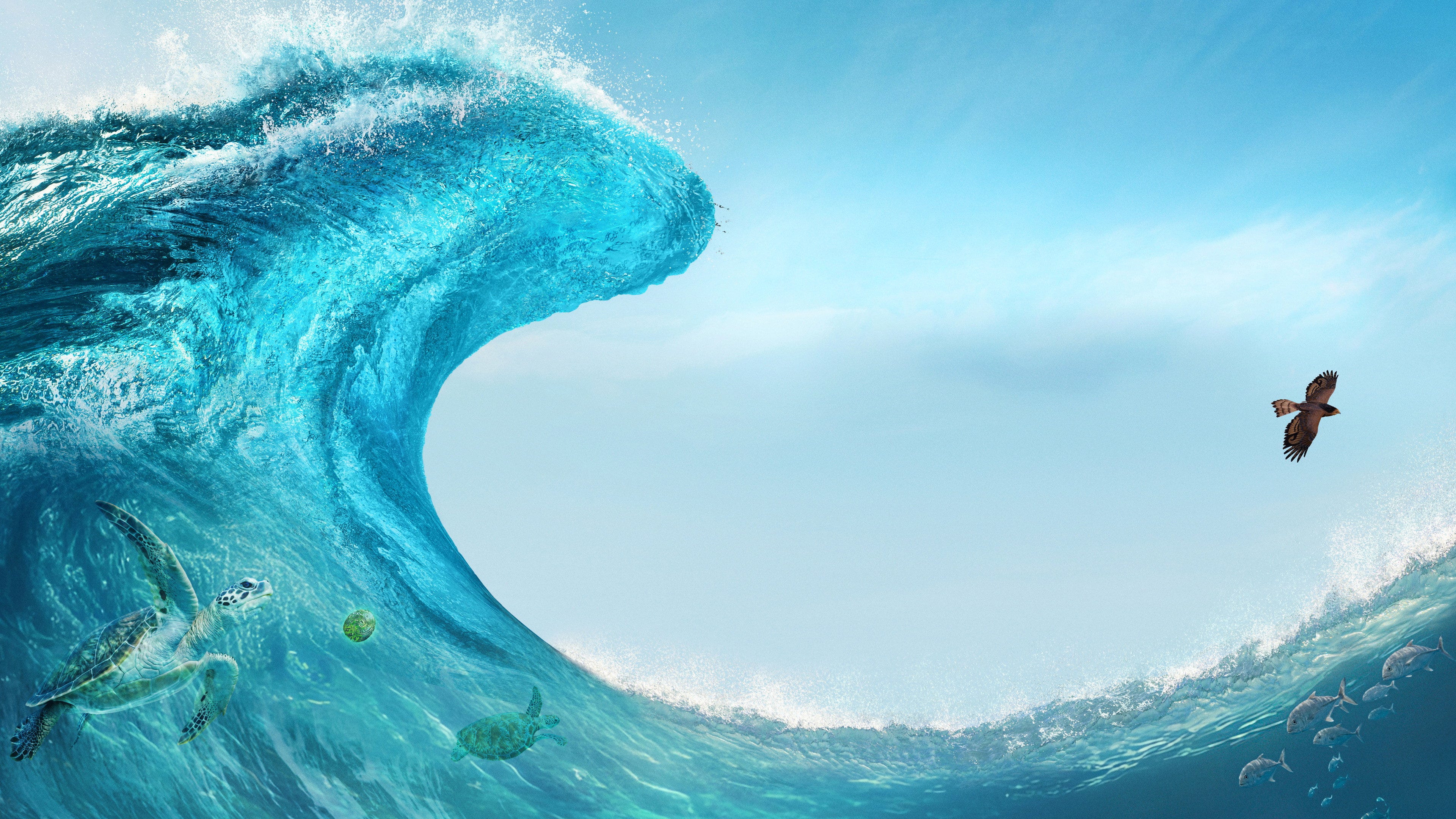
Given this film is a live-action remake of a hugely successful animated Disney film, what absolutely had to translate in the marketing was a prioritisation of stunning, tangible practical effects, combined with real oceanic location shooting, and authentic Polynesian heritage elements; rendering as a grounded and immersive adventure rather than a green-screen carbon copy. If that isn’t made a priority, in my opinion it risks feeling no different, which undermines the entire “you need to see this in a cinema” argument.
I caught the official trailer on The Rock’s Instagram (1.7 million likes) back on the 23rd of March, like a lot of people did, and got the immediate sense this would be a very direct remake. I didn’t personally see the need for a live-action version two years after the animated sequel, but I understand the commercial logic.
The reception was mixed, with genuine praise for Catherine Laga’aia’s authentic casting, sitting right alongside fairly widespread mockery of Dwayne Johnson’s wig and criticism of the muted colour grading. Audiences really do pay attention to those aspects, and given the context of this film, it matters.
A second trailer followed on the 10th of June (541k likes), released as a collab post with The Rock’s production company Seven Bucks. The colour grading didn’t seem to shift much, but we did get more of The Rock in action, some sharper CGI monster and transformation effects, including our first proper look at creatures like Tamatoa and Te Kā, and “You’re Welcome” playing underneath it all.


Past the trailers, though, is where this pillar actually gets interesting, because Disney went pretty wide on tangible, real-world tie-ins to bring Moana into everyday life. Hawaiian Airlines unveiled three special aircraft liveries featuring Maui, Kakamora, Heihei and Pua across the fuselage and overhead bins; a genuinely unmissable move for those travelling!
Alongside that, a full round-up of collaborations includes: Coppertone (a properly contextual SPF tie-in), Govee’s smart lights with their own hero video, Joyburst’s special-edition hydration drink, Marriott Bonvoy’s Moana holiday packages (they also partnered with creators on it), Pandora’s jewellery collection, and Subway’s meal deal offering $15 off tickets (press release here).
There’s also sport adjacent media buys/collabs like the NBA collab; a “From Milwaukee to Motunui” carousel with The Rock and Giannis Antetokounmpo that pulled 769k likes, including a bit where The Rock pushes Giannis off a cliff with Maui’s hook and tells him to think of an animal to transform into. He then bounces off the floor as a walrus, lol. There was also an MLB drone show right after a Dodgers game; I’m loving the drone show film promos at the moment, they’re really having a moment!
There was an actual real outrigger canoe, built and sailed from Marina del Rey to Santa Monica by an experiential supply company (there’s also this Orlando event with the same canoe, fireworks and all). There was a Global Tour asset (286k likes) tracking the locations across ten cities; Hawaii, Shanghai, Sydney, London, Rio, Miami, Puerto Rico, LA, New York, Tokyo. The scale of the tour alone speaks to Disney’s ambitions, with almost every stop tying back to the film’s warm, tropical identity.
There was a Hawaiian food and culture celebration with a BBQ creator that felt like a true honouring of Polynesian cuisine rather than a token nod. There was even a Magic FM radio competition for a family trip to Honolulu, showing Disney ran radio activity alongside the wider campaign; more importantly, it shows how the campaign wasn’t just selling a film, it was selling a family experience, turning Moana from something to watch together into something to potentially live out together.
My favourite example overall, though, has to be the bus driver at Dublin Airport who got caught on video trolling photographers by slowly crawling past, directly blocking their sightline of the runway; the bus had a full Moana T-Side wrapped on it. Perfect, completely unintentional OOH, and genuinely beneficial for me because I didn’t manage to capture any images of buses myself!


On the more traditional side, I can confirm the UK media mix ran across radio, OOH, print, and even included both SVOD & digital (social/display), with National Geographic carrying a full-page print spread for Moana, alongside Toy Story 5 which also appeared in the same issue. In the US there were street-side bus wraps and OOH across the LA Metro and an AMC wall vinyl installation, plus Disney World’s “Cool Kids Summer” activations; lamppost banners with Coppertone branding and a large standee alongside them.
What’s interesting, looking at all of this together, is that although this pillar was meant to be about the tangible, practical, real-world quality of the film, it’s actually The Rock who clearly spearheaded most of the attraction and awareness. He’s got that old-school star power that most actors and actresses wish they still had, so it makes sense that in-person events were built around him as the selling point, with the paid media sitting underneath as more of a wider-awareness necessity than the headline. I imagine budget has something to do with that, and possibly The Rock having more creative say than a typical actor might.
The bigger reflection for me is that even though the visuals did show up in the real world, the trailer’s colour grading alongside the recasting discourse, invited a lot of online noise that pulled attention away from the visuals themselves.
This means a much bigger job had to be done on the media-buying and real-world-presence side to land the “world of Moana in your everyday life,” and I’m not convinced it fully succeeded.
Pillar 3: The “Next-Generation” Discovery
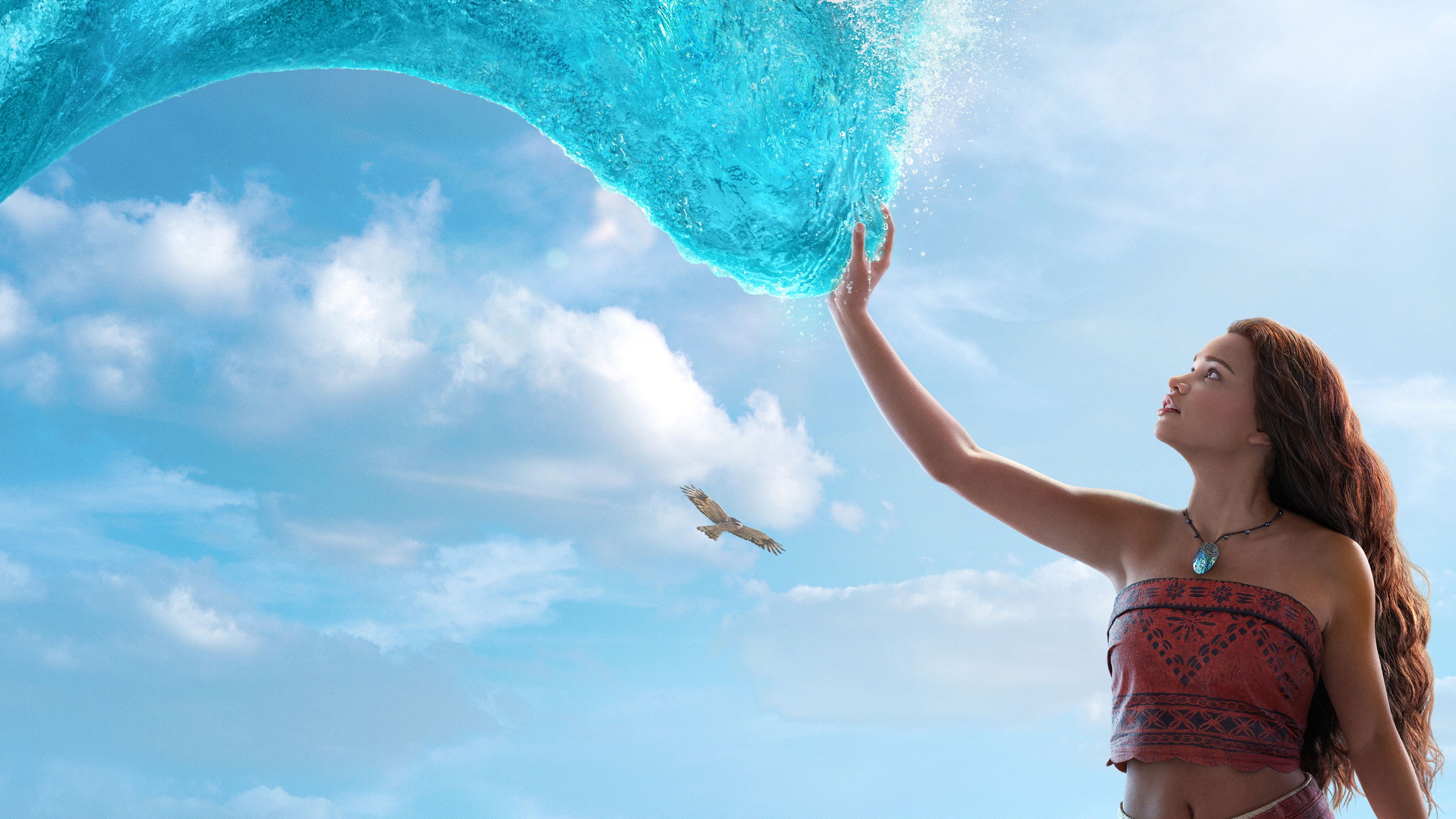
Onto the final pillar! How do you position the introduction of newcomer Catherine Laga’aia as a real-life, star-is-born moment that mirrors Moana’s own journey of self-discovery? Because if you don’t, the risk is simple: new Moana, different voice, and audiences left wishing for a return to the original.
So what is this pillar really tackling, and whose job is it to solve?
Honestly, it’s a PR challenge.
You’re replacing a beloved voice performance with a new, younger actor. The question was never whether audiences would feel some level of voice shock - they would - the challenge was getting ahead of that reaction and making Catherine Laga’aia feel like the obvious choice, not a risky one.
Because audiences naturally resist change. Whether it’s a new actor, a reboot, or even something like AI, nostalgia creates a powerful attachment to what came before. When people love something, they protect it.
That’s why Disney needed to shift the conversation. Catherine wasn’t replacing Moana; she was continuing her journey. Her own career breakthrough mirrors the character’s story; a young woman leaving her island, stepping into the unknown and discovering her place in the world. The campaign wasn’t asking audiences to forget the Moana they knew, but to believe they were witnessing the next chapter of her story. And crucially, with Auli’i Cravalho’s support, it came with the blessing of the person who started it all.
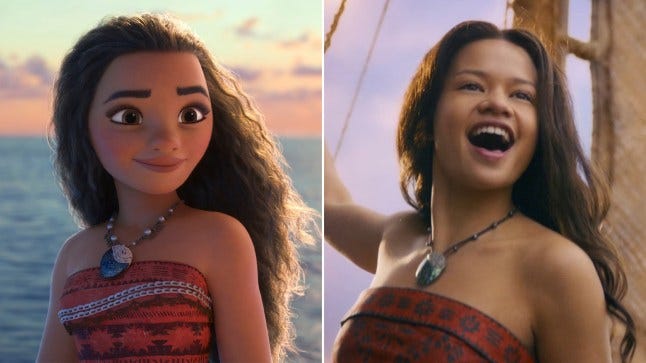
The important thing here is that Disney didn’t just tell audiences Catherine was the next Moana; they built a story around why she was the next Moana. The transition became part of the narrative itself, with Auli’i Cravalho playing a key role in making that handover feel authentic rather than forced.
Which is where Auli’i Cravalho’s advice comes in. As Teen Vogue reported it, Laga’aia - who is of Samoan descent - was told she could make the role her own rather than trying to replicate what came before. Cravalho’s guidance was to take her own approach - feel out who she wanted the character to be, develop her own creative independence and just do her own thing. The piece also frames the significance of the role to the Pasifika community as bigger than any “did we need this remake” debate; it’s pride in seeing your culture represented on screen by an all-Pacific Islander cast, and Laga’aia clearly understands that.
In the interview, Laga’aia talked about recording a new song for the film alongside Cravalho, her first reaction being disbelief that Lin-Manuel Miranda had written another one, let alone with her voice and story in mind. She described being nervous that Cravalho would hear her rough vocal take first, half-joking that she wanted to be edited in last because “that woman sounds like an angel.” It was director Tommy Kail’s idea to have a new song as a way of celebrating both Moana’s together, and Laga’aia described the experience of contributing something of her own within the franchise as genuinely exciting.
So really, the sentiment behind this pillar existed long before PR had to manufacture anything. The importance was ensuring both Moana’s got their moment to shine and metaphorically pass the torch, highlighting how much it means to the culture the film depicts, both Moana’s and the fans watching.
Some of the examples that carried this through into the marketing: a BTS piece on finding Catherine, built around Dwayne Johnson, Tommy Kail and Auli’i Cravalho describing her as “unafraid” and “fearless,” with emotive language throughout such as “globally beloved” and “an incredible honor to step into this legacy” - genuinely doing a good job of capturing the on-set energy and the significance of who “our Moana” is, in the director’s words.
There’s a sweet clip of The Rock sending a voice note to the new Moana; he’s just great at being an encouraging, dad-energy co-star, and always has something lovely to say. There’s also the release of “Along The Way,” the new song, framed by The Rock on Instagram as Auli’i and Catherine’s two Moana’s in “musical conversation,” Lin-Manuel Miranda raising the bar again; another addition to Disney’s already vast, near-perfect transmedia flywheel of music, except this one was explicitly built to bridge the animated generation and the new live-action one. Worth a look too: the Instagram Close Friends speed-round with Catherine and The Rock, 315k likes.
I’ll also say: audiences and critics do genuinely seem to rate Catherine Laga’aia’s performance highly, even when they’re lukewarm on the film overall. Rotten Tomatoes’ critics consensus is pretty unforgiving about the film feeling underwhelming next to the original, but the audience side reads differently, with reviewers repeatedly singling her performance out as phenomenal, and more than one review saying their kids rated it a 10/10. The examples above aren’t exhaustive, what matters is that the production team clearly did try to communicate an appreciation for what came before, whilst adding a new lens on top. Despite most reviews stating the film itself ends up close to a carbon copy.
What Actually Happened
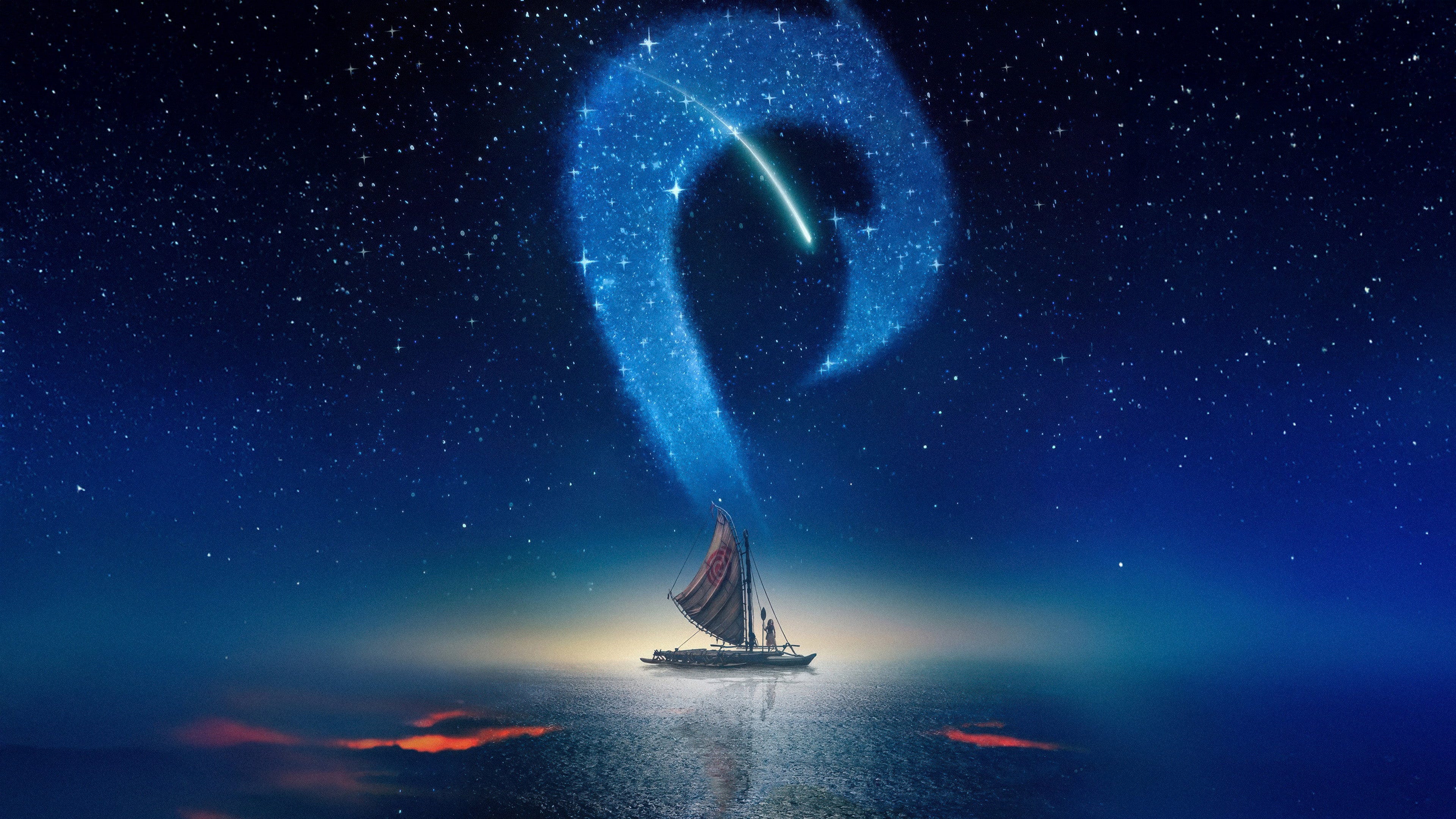
So, with all three pillars laid out, how did this actually perform, and what can this tell us?
The Hollywood Reporter’s numbers on July 12th: $43 million domestic from 3,900 screens, well short of the $60 million-plus target Disney was tracking toward (some early tracking had suggested up to $75 million), plus $52 million overseas. A- CinemaScore overall, A+ from under-18s. 66% female audience, 56% parents with children; higher than most Disney live-action remakes. And a “verified hot” 90% audience score on Rotten Tomatoes, against a much rougher 34% from critics, making it one of the worst-reviewed live-action Disney updates to date, even if fans responded warmly.
So, it fell short of projections even with the intended audience showing up. Why?
Part of it is simple timing. Toy Story 5 released June 19th, Moana followed July 10th; 21 days apart - inside a theatrical window that typically runs 45 to 90 days - meaning families currently have the option to see both.
Pricing wise, a standard family-of-four cinema trip - two adults, two kids, plus the practically mandatory popcorn and drinks - can run as high as $108 in pricier US markets according to MoviePass estimates. That’s a substantial amount of money for one outing, let alone two inside a three week window. It’s simply not enough to smell what The Rock’s cooking in this case, as this alone fails to make Moana feel worth that spend - especially when you’ve already dropped a hefty chunk of change getting the family to Toy Story 5.
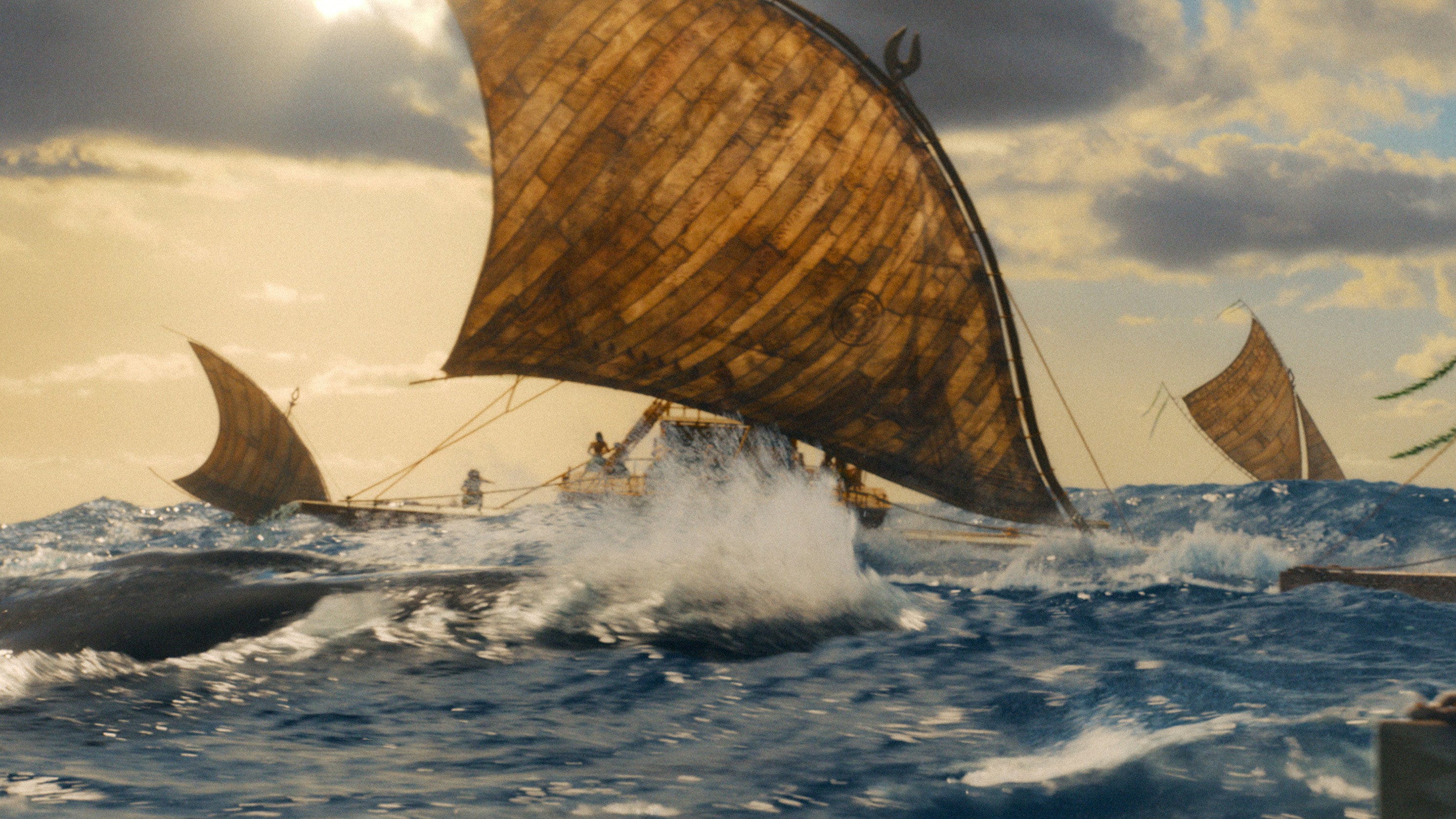
Chris Colombo’s LinkedIn breakdown adds useful context here, with his point being that Moana’s opening showed that franchise familiarity can still deliver a strong floor - reinforcing how hard it is to convince audiences a remake offers enough new value to justify leaving the house for it.
More than half of the positive demand, by his estimate, existed before the live-action campaign even began, meaning Disney activated a powerful existing base without the campaign creating an equally strong new reason to attend. He also points to Disney+ as a genuine headwind, with the constant availability of the original and Moana 2 gives households an easy and free alternative. This emphasises that the question was never whether families liked Moana, it was whether this version justified the cost and effort of an actual trip out.
A review from Marie-Theres Carl - who I’ve collaborated with before on Peaky Blinders: The Immortal Man - put the creative side of that same argument sharply, describing the film as recreating familiar moments almost shot-for-shot, to the point that it constantly reminds you how much livelier the original was, without much evidence of genuine passion.
And then there’s the money side of it, which Variety laid out plainly: Moana carried a reported $250 million production budget, plus around $120 million in global promotion. Using the usual Hollywood rule of thumb that a film needs to earn roughly twice its combined production and marketing costs to break even, the film likely needs somewhere in the $600-740 million range at the global box office to turn a profit.
The challenge? As of writing, Box Office Mojo has Moana at $120 million worldwide; $68 million domestic and $52 million international, with France currently leading overseas markets. Whatever the creative ambition, those numbers show just how difficult the commercial mountain was.
That’s a long way from the break-even line, however Disney has always viewed Moana as more than a one-off theatrical release. The film sits inside a much larger ecosystem, with the franchise already generating value through other revenue streams - 22 million toys sold since 2016, more than 1.5 billion Disney+ streaming hours and 26 billion music streams. Those existing touchpoints give Disney more breathing room, allowing the company to justify the investment based on the long-term value of the IP rather than the box office alone.
What This Means for You
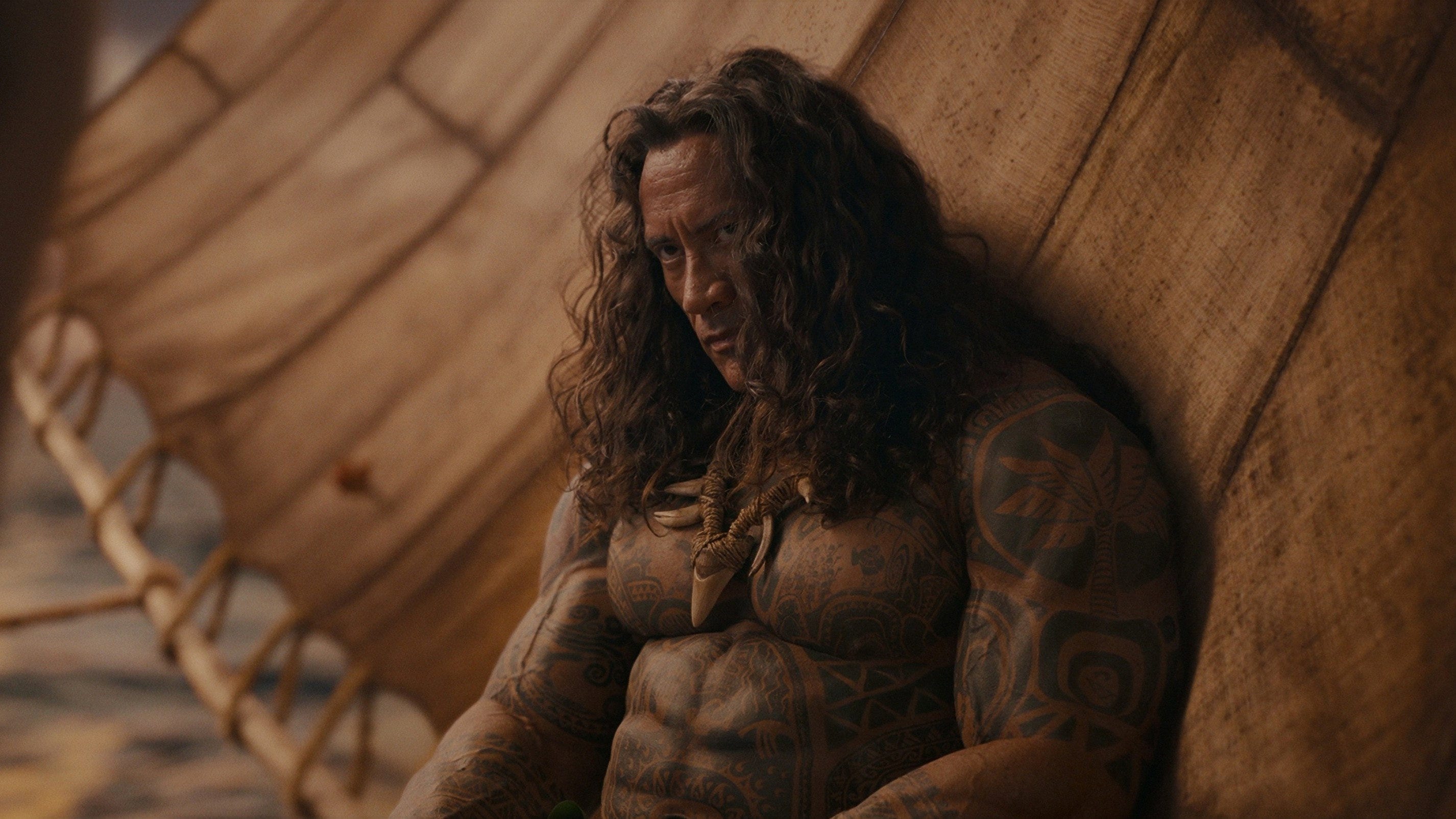
Here are a few things I think are worth pulling out of this piece, separate from whether the film itself was any good:
First, Star power gets you attention, not urgency. The Rock’s presence carried a huge amount of the campaign’s actual reach, but Chris Colombo’s point stands; that demand was tied to Maui and the wider franchise more than pure star power. Attention isn’t the same as a reason to leave the house.
Next, practical execution has to actually land, not just exist. Disney went wide on real-world activations here - the canoe, the airline livery, the global tour - but a wig that got mocked and colour grading that got criticised in the very first trailer meant a chunk of the “this is a grounded and immersive adventure, not a green-screen copy” argument had to be fought uphill from day one. Perception set early is hard to unwind later, however, it can be done.
Furthermore, existing streaming availability is now a genuine competitor to your own theatrical release. This isn’t unique to Moana, but it’s a clean example; when the thing you’re trying to get people to pay for is already freely available on the platform you own, the marketing has to answer “why now, why in a cinema” far more directly than it did here.
Lastly, a well-executed pillar doesn’t guarantee commercial success, and that’s fine. Catherine Laga’aia’s introduction was genuinely well-handled; thoughtful, culturally grounded, and it clearly worked on its own terms. Critics and audiences both landing on her as the strongest part of the film. Emphasising that the pillar succeeding didn’t save the film’s opening weekend. I think that’s an important distinction to sit with: good marketing execution and commercial outcome aren’t the same conversation, even if we often talk about them like they are.
Anyway, this one’s still playing out in theatres as I write this, so there is potential for the numbers to shift before/after this goes live - but I don’t think the underlying story changes much. This is a genuine positioning problem; a campaign that solved parts of it really well, left other parts exposed, and a box office result that’s forcing Disney to lean on everything else the franchise has built instead. This issue provides us with a strong learning opportunity - the role of a remake isn’t a reintroduction, it’s convincing audiences they want to experience the story once more from a new perspective.
That’s The Harperverse breakdown of Moana.
If this kind of breakdown is your thing - film marketing, transmedia storytelling, the business behind the stories - subscribe to The Harperverse.
The Harperverse is a free publication, if you want to support what I’m building here, a paid subscription is £4 a month, less than a coffee in London!
For related reading:
The Mandalorian and Grogu • The Devil Wears Prada 2 • The Hoppers Playbook • A Stitch In The System • A Minecraft Movie: How To Build A Blockbuster With Brand Partnerships • Shrek at 25
Browse by what you're in the mood for: deep-dive Tentpole Autopsies, shorter Documentary Reports, and reactive Quick Takes; filter by studio, genre, or media channel if you're after something specific.
~ most uncredited images will have been taken from the films TMDB page!